There are evenings when a city exhales, believing the hardest hours have passed, only to be stirred again by the distant tremor of unrest. In the Middle East, where history often moves in tides rather than straight lines, the horizon has once more been lit by flashes that interrupt the quiet. The sense of repetition — of escalation layered upon escalation — hangs in the air like a question no one has yet fully answered.
Israel has launched fresh strikes on targets in Tehran and across parts of Lebanon, according to military statements and regional reporting. The renewed operations come amid an already volatile confrontation involving Israel, Iran, and allied armed groups. Air defense systems were reportedly activated in the Iranian capital as explosions echoed through sections of the city. In Lebanon, strikes were said to focus on areas associated with Hezbollah positions, further widening the geographical scope of the conflict.
Israeli officials have described the latest wave of attacks as part of an ongoing campaign aimed at degrading military infrastructure they view as threatening to Israeli security. They have emphasized precision targeting and the intention to disrupt command networks and weapons systems. Iranian state media, meanwhile, reported damage in parts of Tehran and condemned the strikes as violations of sovereignty. Lebanese authorities confirmed incidents in the south and in areas near Beirut, where residents described the familiar but unsettling rhythm of aircraft overhead.
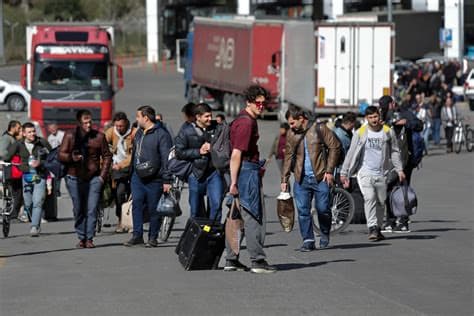
For civilians, the distinction between strategic objectives and lived experience can feel distant. In Tehran, families reportedly sought shelter as sirens sounded. In Lebanon, communities already strained by economic hardship and political fragility face renewed uncertainty. The ordinary patterns of life — commuting, schooling, evening gatherings — are repeatedly reshaped by the calculus of conflict.
International reactions have been measured but concerned. Several governments have called for restraint, urging all sides to avoid steps that might further inflame tensions. Diplomatic channels remain active behind closed doors, even as public rhetoric grows firmer. The United Nations and regional actors have reiterated appeals for de-escalation, mindful that each new strike risks drawing additional players into the crisis.
Analysts note that the widening arc of military activity reflects a broader strategic contest, one in which deterrence and signaling play significant roles. Israel’s willingness to strike directly inside Tehran represents a notable expansion in operational reach. At the same time, Hezbollah’s posture in Lebanon and Iran’s regional alliances add layers of complexity that make simple narratives elusive.
Financial markets have responded with caution, particularly in energy sectors sensitive to instability in the region. Shipping routes and air travel patterns are being reassessed as governments evaluate security risks. Even countries geographically distant from the conflict find themselves attentive to its ripple effects.
And yet, amid the strategic language and diplomatic maneuvering, there remains a quieter undercurrent — the human desire for stability. In cities touched by the strikes, residents speak less about grand strategy and more about safety, continuity, and the hope that tomorrow’s headlines might carry calmer news.
As of the latest official updates, Israeli forces have confirmed additional strikes on targets in Tehran and across Lebanon, describing them as part of a sustained military campaign. Iranian and Lebanese officials have acknowledged the attacks and signaled that responses remain under consideration. International leaders continue to call for restraint as the situation develops.
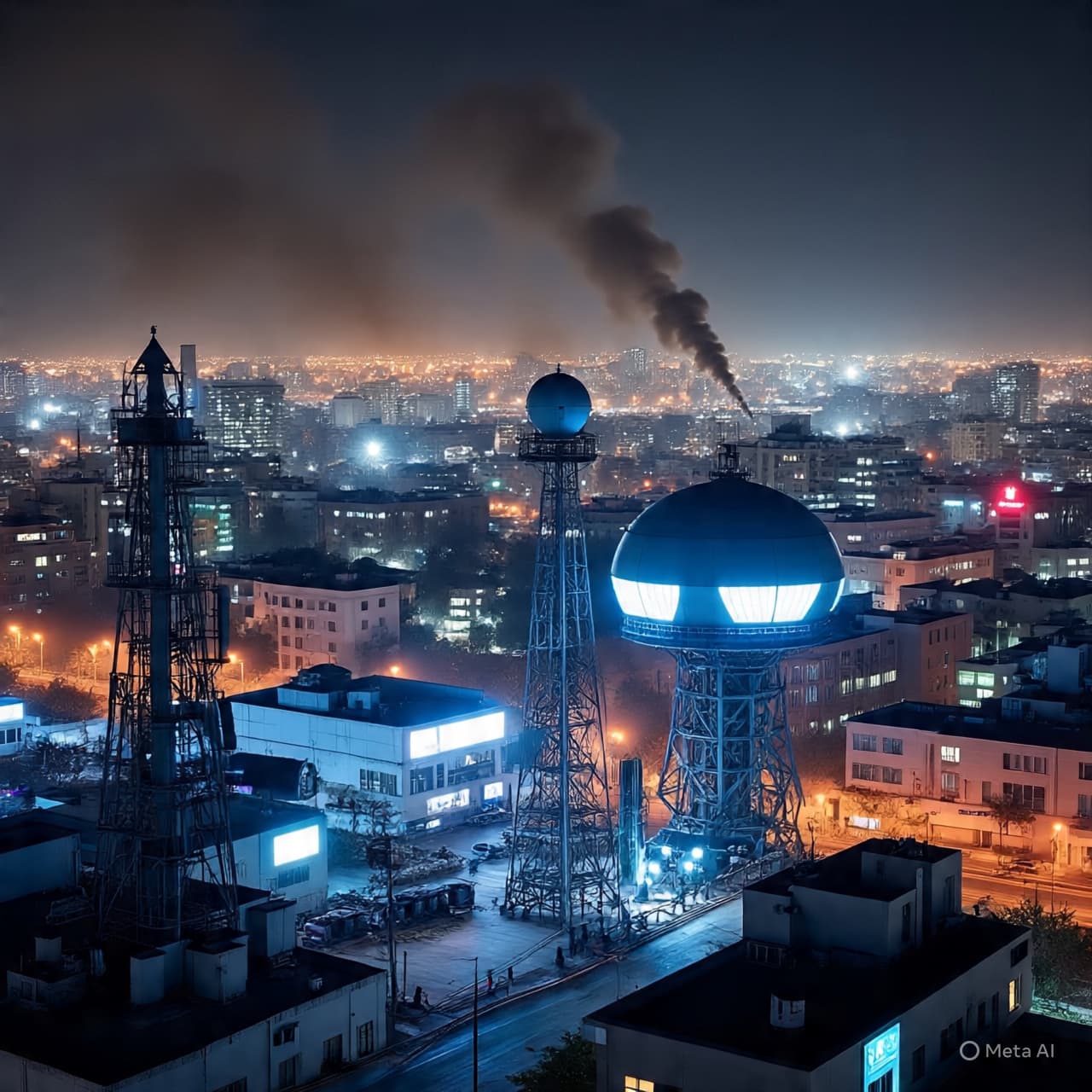
AI Image Disclaimer Visuals are created with AI tools and are not real photographs.
Sources Reuters Associated Press The Guardian BBC News Al Jazeera
Published by Banx Network. This article is part of the Banx decentralized media programme, powered by the BXE token on the XRP Ledger.
.jpg&w=3840&q=75 "Israeli Defense Chief Renews Threat to Punish Gaza Over Kite Launches")