Before sunrise, the skies over the Middle East carried a sound that no one mistakes. In parts of Iran, residents woke to the tremor of distant blasts; in Israel, sirens cut through the night air as missile defenses traced bright arcs overhead. What began as targeted strikes has widened into a cycle of retaliation that now stretches across borders, cities, and alliances — and the toll continues to climb.
Israeli forces, joined by the United States military, have carried out sustained air attacks on Iranian military infrastructure, missile sites, and strategic facilities. Officials say the operations are aimed at degrading Iran’s offensive capabilities following what they describe as escalating threats. Explosions have been reported in multiple Iranian provinces, including areas near Tehran, as rescue crews comb through damaged neighborhoods and critical sites.
Iranian authorities report hundreds killed since the strikes intensified, with many more injured. Among the dead are civilians, according to state media, and the images emerging from hospitals and residential districts suggest a mounting humanitarian strain. Independent verification of casualty figures remains difficult, but the scale of destruction has drawn urgent international concern.
In response, Iran has launched hundreds of ballistic missiles and drones toward Israel. Air defense systems have intercepted many of them, yet several have penetrated shields and struck urban areas. Israeli officials confirm civilian casualties and significant damage in multiple cities. Emergency services continue to work through debris-strewn streets, while families seek shelter in reinforced rooms and underground bunkers.
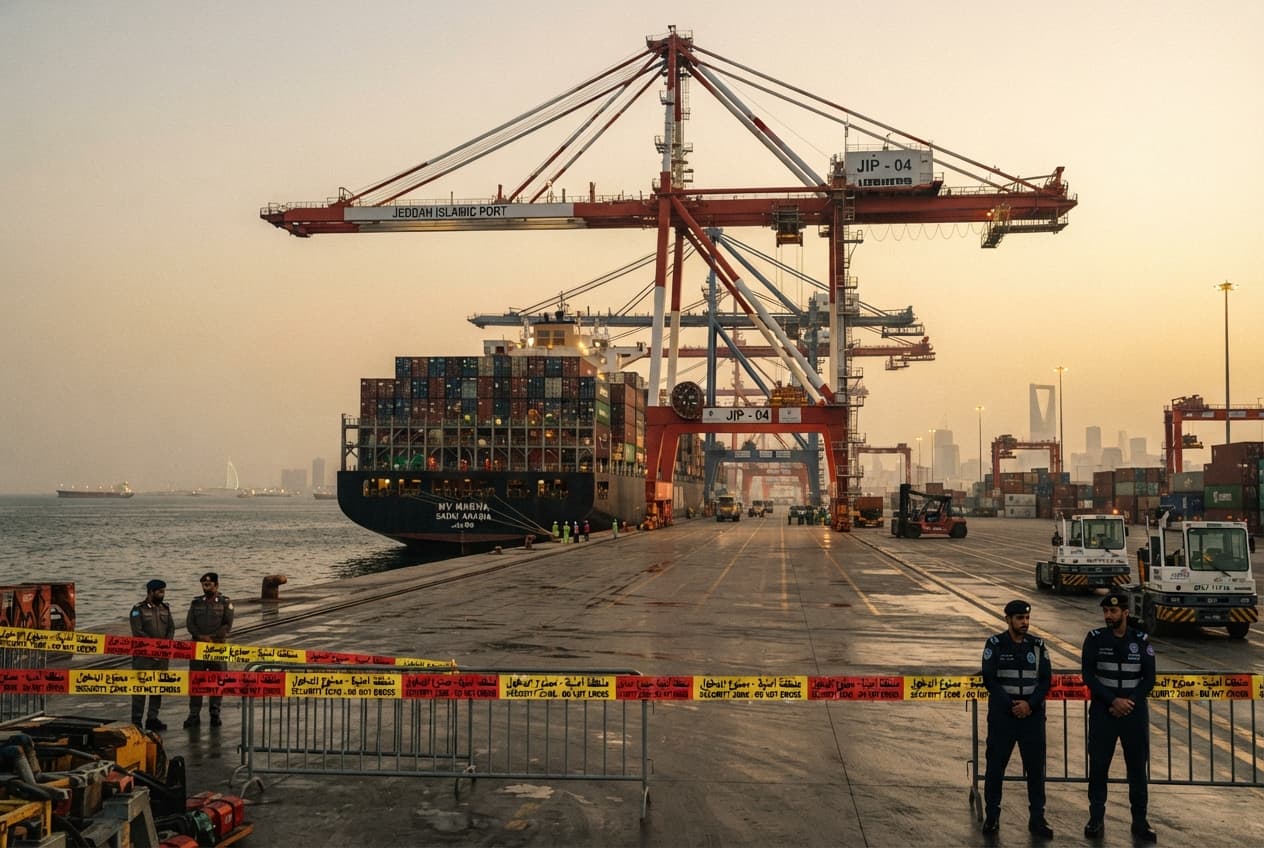
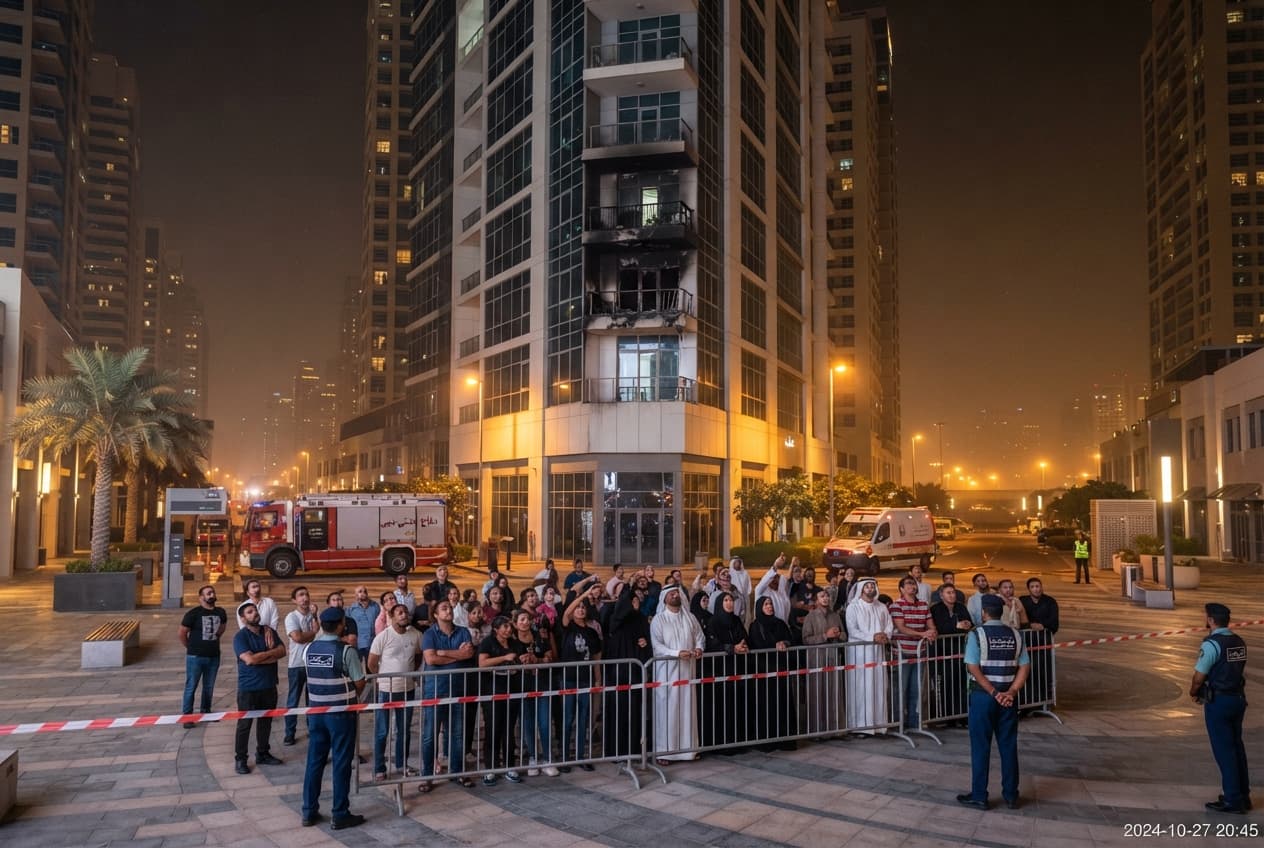
The confrontation has not remained confined to two nations. Iranian projectiles and drones have reportedly crossed into Gulf airspace, with impacts and interceptions recorded in several neighboring states. Governments across the region have heightened security, restricted air traffic, and urged residents to remain vigilant.
The United States has acknowledged combat losses, confirming the deaths of American service members during the ongoing operations. The announcement marked a sobering moment in Washington, underscoring how swiftly a regional escalation can draw in global powers at human cost.
Diplomatic channels, though active, struggle to keep pace with events. Calls for restraint from European leaders and the United Nations have grown more urgent as casualty figures rise. Yet each new strike seems to answer the last, forming a chain reaction that is difficult to halt once set in motion.
For civilians, the geopolitical calculus feels distant compared to the immediacy of survival. In Tehran, shopkeepers board windows; in Tel Aviv, parents usher children into shelters at the sound of alarms. Across the region, airports empty, highways thin, and the ordinary rhythms of life contract around the possibility of the next warning.
Military analysts describe the exchange as one of the most direct confrontations between Israel and Iran in decades — no longer confined to shadow operations or proxy battlegrounds. The visible, reciprocal nature of the strikes marks a dangerous shift, raising fears that miscalculation could ignite a broader regional war.
As the sun rises over damaged rooftops and smoking craters, officials on all sides continue to speak of deterrence and defense. But deterrence is a fragile balance, and each loss makes it harder to restore. The numbers — of missiles launched, of sites struck, of lives ended — continue to change by the hour.
What remains constant is the human cost. In hospital corridors and bomb shelters, in command centers and diplomatic offices, the question lingers: how far will this cycle extend before the region finds its way back from the brink?
AI Image Disclaimer
Images accompanying this article are AI-generated visual interpretations and not authentic photographs.
Sources
Reuters
Associated Press
BBC News
Al Jazeera
The Guardian
Published by Banx Network. This article is part of the Banx decentralized media programme, powered by the BXE token on the XRP Ledger.