
Key Highlights
- Ongoing military strikes between Israel and Iran have escalated tensions in the region.
- Hundreds of casualties reported in Iran, including civilians, amid airstrikes.
- The conflict has drawn in global powers, raising concerns over a broader war.
The Middle East is currently engulfed in a conflict that has escalated dramatically in recent weeks. Before sunrise, the skies over the region are filled with the sounds of sirens and explosions, signaling a dangerous escalation in hostilities. In Israel, residents are jolted awake by air raid sirens as missile defenses intercept incoming threats. Meanwhile, in Iran, the sound of distant blasts reverberates through cities, marking a significant shift in the nature of the conflict.
Israeli forces, supported by the United States military, have intensified airstrikes targeting Iranian military infrastructure. These operations aim to dismantle Iran's offensive capabilities in response to perceived threats. Reports indicate that explosions have been heard in various Iranian provinces, including areas near Tehran, where rescue teams are working tirelessly to assess damage and assist victims.
The Iranian government has reported a staggering number of casualties, with hundreds killed and many more injured since the strikes began. State media highlights the plight of civilians caught in the crossfire, as hospitals struggle to cope with the influx of injured individuals. The humanitarian crisis is deepening, drawing urgent calls for international intervention and support.
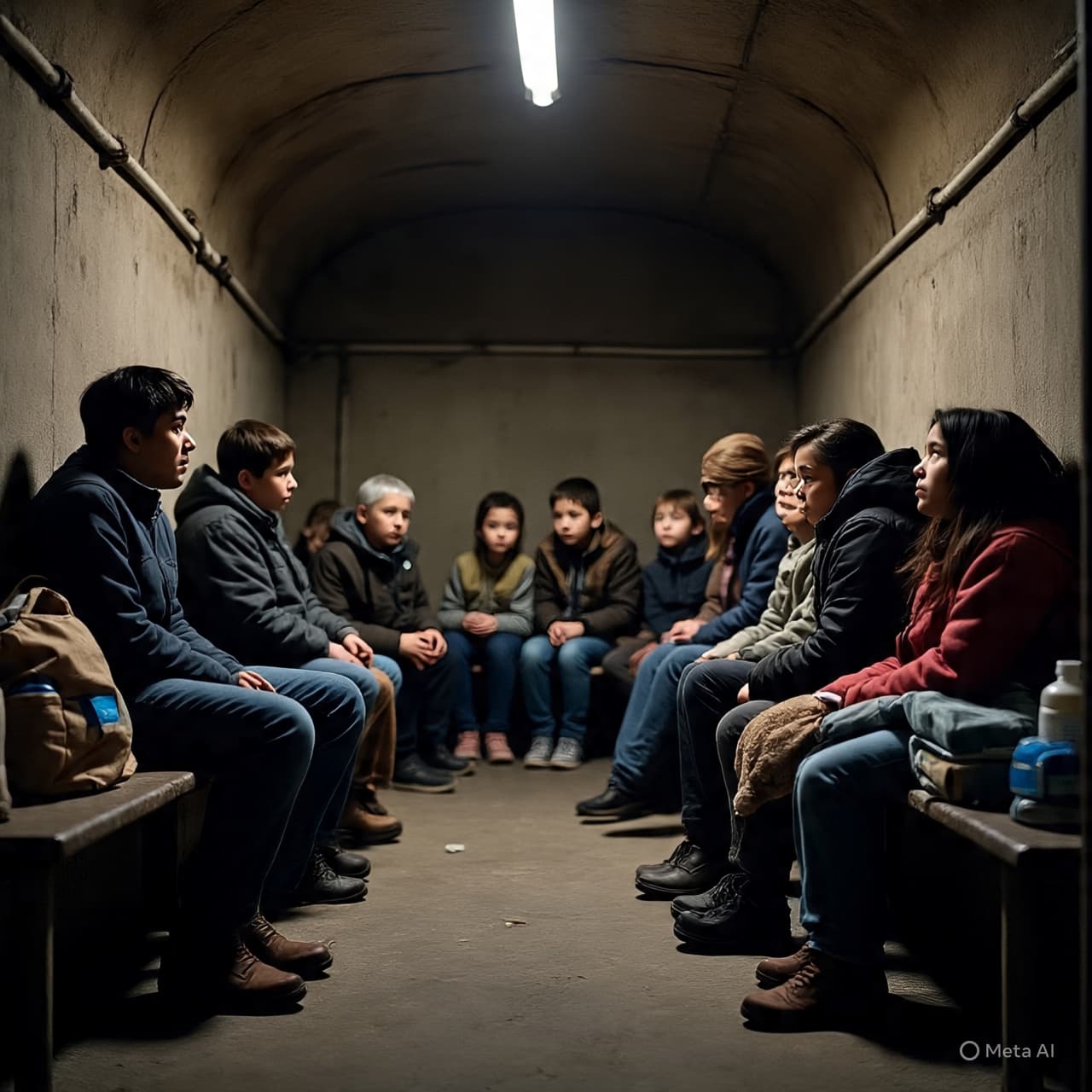
In retaliation, Iran has launched a barrage of ballistic missiles and drones targeting Israeli cities. While many of these projectiles have been intercepted by Israeli air defense systems, some have successfully breached defenses, resulting in civilian casualties and significant property damage. Emergency services are working around the clock to clear debris and assist those affected, as families seek refuge in shelters and fortified rooms.
The conflict has implications beyond the borders of Israel and Iran. Iranian missiles and drones have reportedly crossed into Gulf airspace, prompting neighboring countries to heighten security measures and restrict air traffic. Governments across the region are urging citizens to remain vigilant as tensions continue to rise.
The United States has confirmed the loss of American service members during the ongoing military operations, highlighting the global ramifications of this conflict. This acknowledgment serves as a stark reminder of how quickly regional disputes can escalate into broader confrontations involving major powers.
Despite ongoing diplomatic efforts, the situation remains precarious. European leaders and the United Nations have called for restraint, but each retaliatory strike seems to perpetuate a cycle of violence that is difficult to break. The urgency of the humanitarian crisis is overshadowed by the immediate need for survival among civilians caught in the conflict.
As the sun rises over the region, the human cost of this escalating conflict becomes increasingly evident. In Tehran, shopkeepers board up their windows, while in Tel Aviv, parents rush their children to safety at the sound of alarms. The ordinary rhythms of life are disrupted, and the fear of further violence looms large.
Military analysts warn that this confrontation marks one of the most direct engagements between Israel and Iran in decades, moving beyond covert operations and proxy battles. The reciprocal nature of the strikes raises concerns about potential miscalculations that could lead to a wider regional war.
As officials on all sides discuss deterrence and defense, the fragility of this balance becomes apparent. Each loss, whether of life or infrastructure, complicates the path to peace. The numbers of missiles launched, sites struck, and lives lost continue to rise, underscoring the urgent need for a resolution to this escalating crisis.
In the midst of this turmoil, the question remains: how far will this cycle of violence extend before the region can find a way back from the brink?
Published by Banx Network. This article is part of the Banx decentralized media programme, powered by the BXE token on the XRP Ledger.



