
Key Highlights
- Ongoing Strain:Lebanon's first responders face repeated emergencies.
- Mental Health Focus:Humanitarian groups emphasize support for responders.
- Community Resilience:Responders view their work as vital public service.
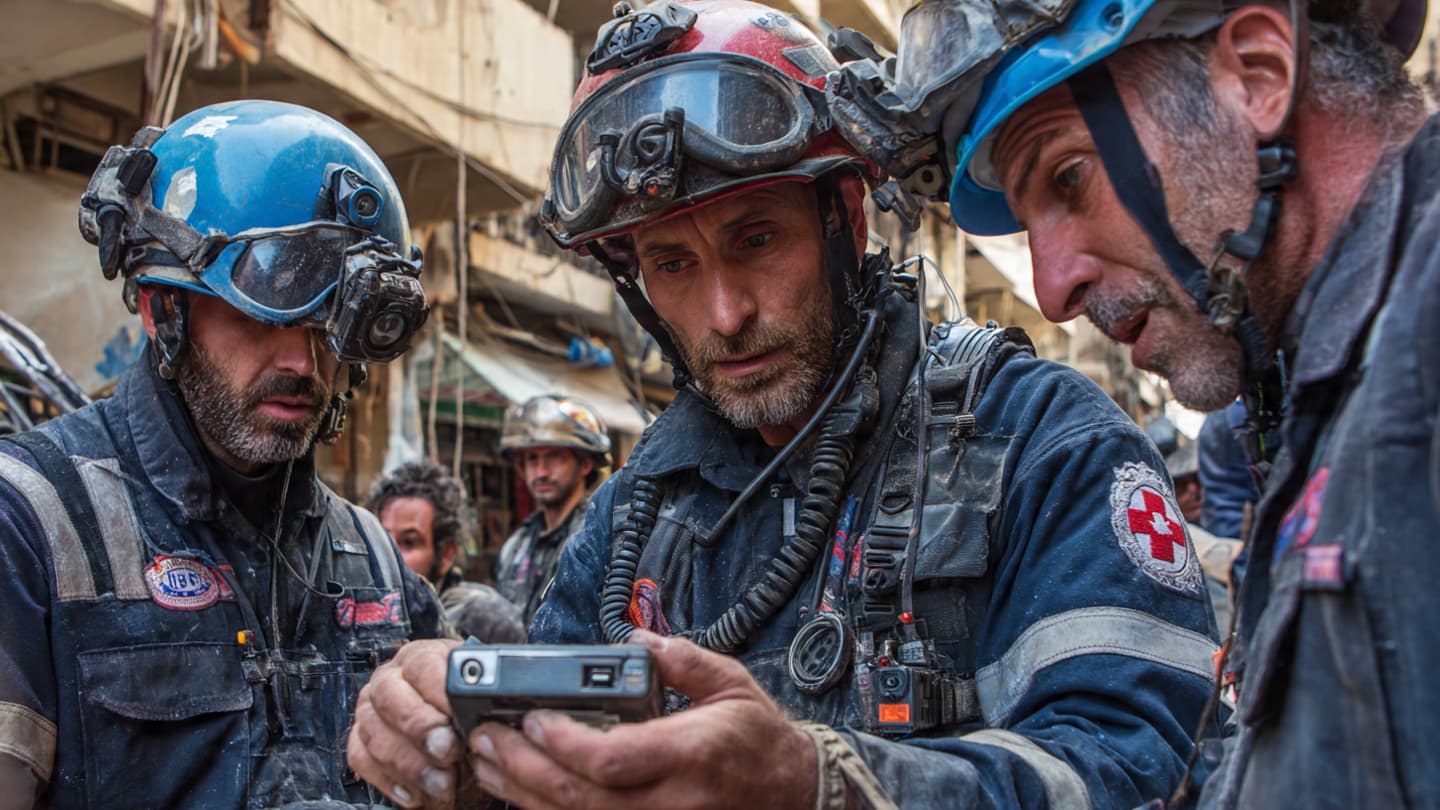
In moments when sirens fade, what remains is often not silence, but a different kind of sound—the lingering echo of urgency that first responders carry with them long after the scene is over. In Lebanon, where crises have layered over one another for years, emergency workers continue to move between the demands of duty and the weight of personal grief.
Reports from outlets including Reuters, Associated Press, and regional humanitarian organizations describe the ongoing strain on Lebanon’s first responders, who have faced repeated emergencies ranging from explosions and medical crises to infrastructure breakdowns and displacement events. Their role often places them at the center of both immediate rescue and long-term emotional aftermath.
Emergency medical teams, firefighters, and civil defense units operate in conditions shaped by limited resources and high demand. Each callout can involve not only physical risk but also repeated exposure to trauma, as responders witness the consequences of events that affect entire communities. This exposure can lead to significant mental health challenges, as the emotional toll of their work accumulates over time.
Mental health support for first responders in Lebanon has become an increasing focus among humanitarian groups. The accumulation of crises over recent years has created what some describe as “compounded stress,” where individual incidents are layered into a continuous experience of emergency response. Organizations like the International Red Cross and local NGOs are advocating for better psychological support systems to help these workers cope with their experiences.
Despite these challenges, many responders continue to emphasize a strong sense of duty and solidarity. Their work is often framed not only as a profession but as a form of public service deeply tied to community survival and resilience in difficult conditions. This commitment is evident in their willingness to return to the field, even when faced with the emotional weight of their experiences.
International aid organizations have highlighted the importance of providing psychological support, training, and resources to emergency personnel. These efforts aim to ensure that responders are not only equipped for immediate crises but also supported in processing long-term emotional impact. Training programs that include mental health awareness and coping strategies are being implemented to help responders manage their stress effectively.
Lebanon’s broader socio-economic difficulties further shape the environment in which these first responders operate. Infrastructure challenges and resource constraints often require them to adapt quickly, relying on experience and coordination rather than advanced systems. The lack of adequate funding and resources exacerbates the challenges they face, making their work even more critical in times of crisis.
As the country continues to navigate overlapping challenges, the experiences of first responders reflect a quieter dimension of crisis—one defined not only by emergencies themselves but by the endurance required to respond to them repeatedly. Their stories are a testament to the resilience of the human spirit in the face of adversity, highlighting the need for ongoing support and recognition of their vital role in society.
Published by Banx Network. This article is part of the Banx decentralized media programme, powered by the BXE token on the XRP Ledger.



