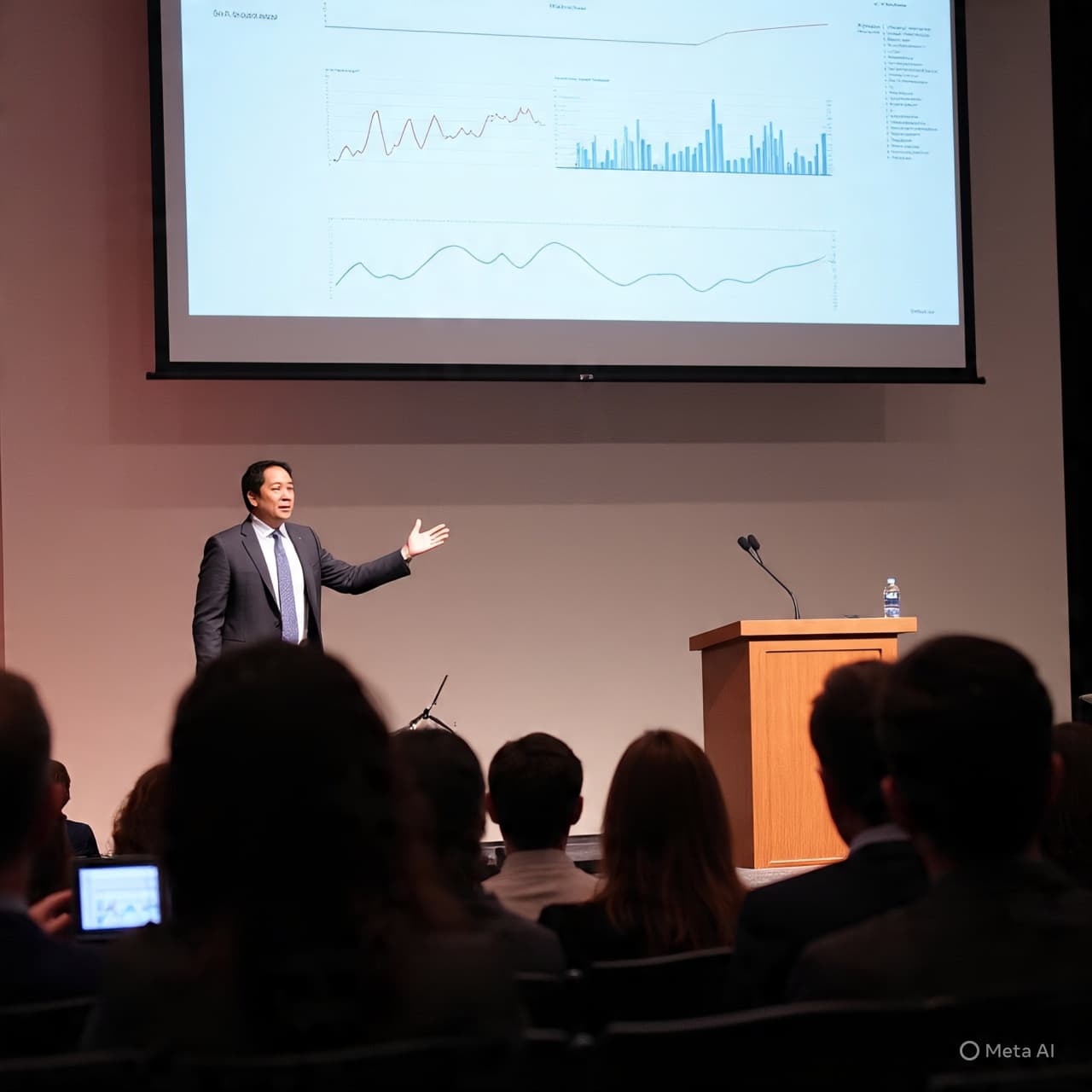
In the vast and humming halls of an AI Developers Conference last autumn, one of the field’s most seasoned voices shared a quiet but resonant reflection. Andrew Ng — whose name echoes through the corridors of machine learning as a co‑founder of Google Brain and a guiding presence in AI education — paused a conversation not to amplify optimism, but to temper it. In an age when generative models dazzle with near‑poetic text and brush‑stroke illusions, Ng’s words were a reminder that even the most remarkable technology carries limits, and that humanity’s unique capacities remain irreplaceable.
AI’s most visible feats — translating languages, generating images, predicting patterns — can feel like eclipses of human skill. And yet, beneath the surface of digital brilliance, Ng pointed to the painstaking human work that still underpins AI’s progress: the careful curation of data, the iterative tuning of models, the nuanced judgment calls that only domain expertise can supply. These, he suggested, are not technical trivia but profound indicators of where AI stands today — and how far it truly has to go.
In an interview on the sidelines of the conference, Ng explained that the balance between what AI can do and what it cannot do often gets lost in headlines. “The tricky thing about AI,” he said, “is that it is amazing and it is also highly limited,” pointing not to arrogance but to clarity about the technology’s scope. Above all, he stressed that the idea of AI systems broadly displacing humans — or achieving a form of intelligence comparable to us — is not imminent.
While venture capital flows and corporate strategies chase the promise of ever‑wider automation, Ng urged a grounded perspective. He noted that today’s most advanced models still rely on structured training recipes and extensive human input. Their successes are impressive precisely because of the frameworks and curators that made them possible — not in spite of them. It is this human‑in‑the‑loop story that, Ng believes, should guide how we talk about AI’s future.
In practical terms, Ng’s stance carries implications for education, careers, and public policy. Rather than urging people to anticipate a world where machines supplant human labor across the board, he champions equipping individuals with the skills to use AI wisely: to build, to guide, to critique, and to innovate alongside it. It’s a view not of retreat from technology, but of adaptation — one that sees machines not as replacements but as collaborators in the ongoing human story.
As practitioners and observers alike consider what comes next, Ng’s reflections offer a subtle but steadying note: the chapter of AI is still being written, and in its evolving lines, the human touch remains both central and irreplaceable for the foreseeable future.
AI Image Disclaimer “Visuals are created with AI tools and are not real photographs.”
Sources Yahoo Tech (reporting Andrew Ng’s statements) NBC News (as referenced in the Yahoo article) LinkedIn influencer commentary Industry analysis (cited within original reporting) AI conference remarks
Published by Banx Network. This article is part of the Banx decentralized media programme, powered by the BXE token on the XRP Ledger.