In the waters stretching between the Persian Gulf and the Arabian Peninsula, tension often moves invisibly before it becomes visible to the world. Markets react first, diplomats speak carefully, and ordinary citizens quietly continue their routines beneath headlines that hint at uncertainty. This week, Iran’s warning about military readiness arrived not as a sudden thunderclap, but as another layer added to an already fragile regional atmosphere.
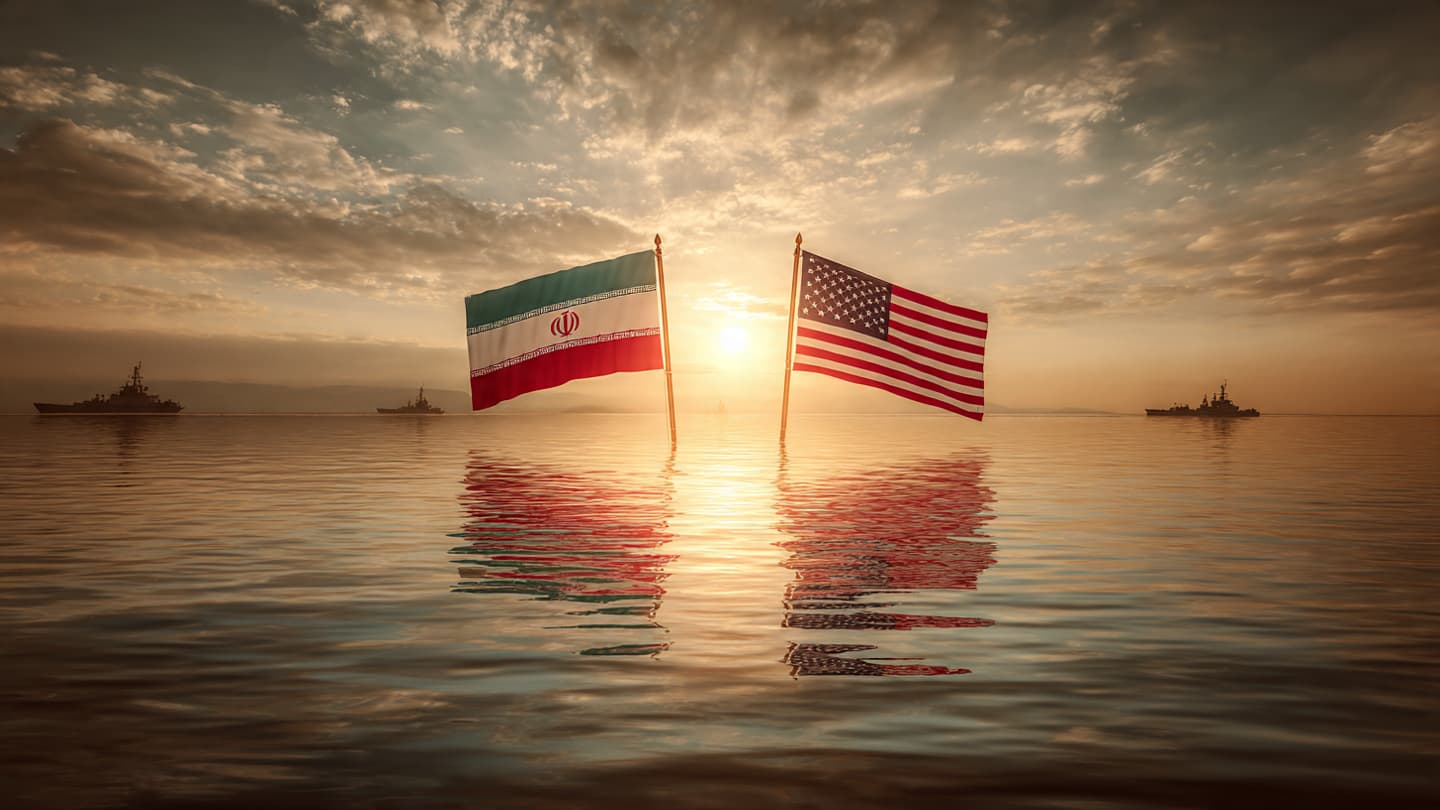
Iranian officials stated that the country remains fully prepared for possible military confrontation as indirect negotiations with the United States continue to stall. The remarks emerged amid renewed disagreement over sanctions, uranium enrichment, and regional security arrangements. Although neither side officially announced the collapse of talks, the diplomatic path appears increasingly narrow.
For many observers, the language used by Tehran reflects more than military signaling. It also represents domestic political pressure inside Iran, where economic hardship and international isolation continue shaping public discourse. Officials frequently balance firm rhetoric abroad with efforts to preserve stability at home, particularly as inflation and energy concerns affect daily life across the country.
The United States, meanwhile, has maintained that diplomatic engagement remains preferable to escalation. American officials continue coordinating closely with European allies while monitoring developments in the Gulf region. Naval activity and defense coordination among regional partners have also reportedly increased in recent weeks, though both Washington and Tehran publicly insist they are not seeking direct conflict.
The broader Middle East has become deeply familiar with moments like these. Political statements often ripple through oil markets within hours, influencing prices, shipping routes, and investor confidence far beyond the region itself. Energy analysts warn that prolonged instability could place additional strain on global markets already facing supply uncertainties from multiple international conflicts.
Neighboring Gulf states are also watching carefully. Several countries in the region have spent recent years attempting to reduce tensions through diplomatic normalization and economic cooperation. Escalation between Iran and the United States could complicate those efforts, particularly for nations seeking to balance strategic alliances with regional stability.
International organizations, including the United Nations and European diplomatic representatives, have continued urging restraint from all parties involved. Analysts note that while public rhetoric appears increasingly firm, backchannel communications often remain active during periods of heightened tension. Such quiet diplomacy has historically played an important role in preventing wider regional confrontation.
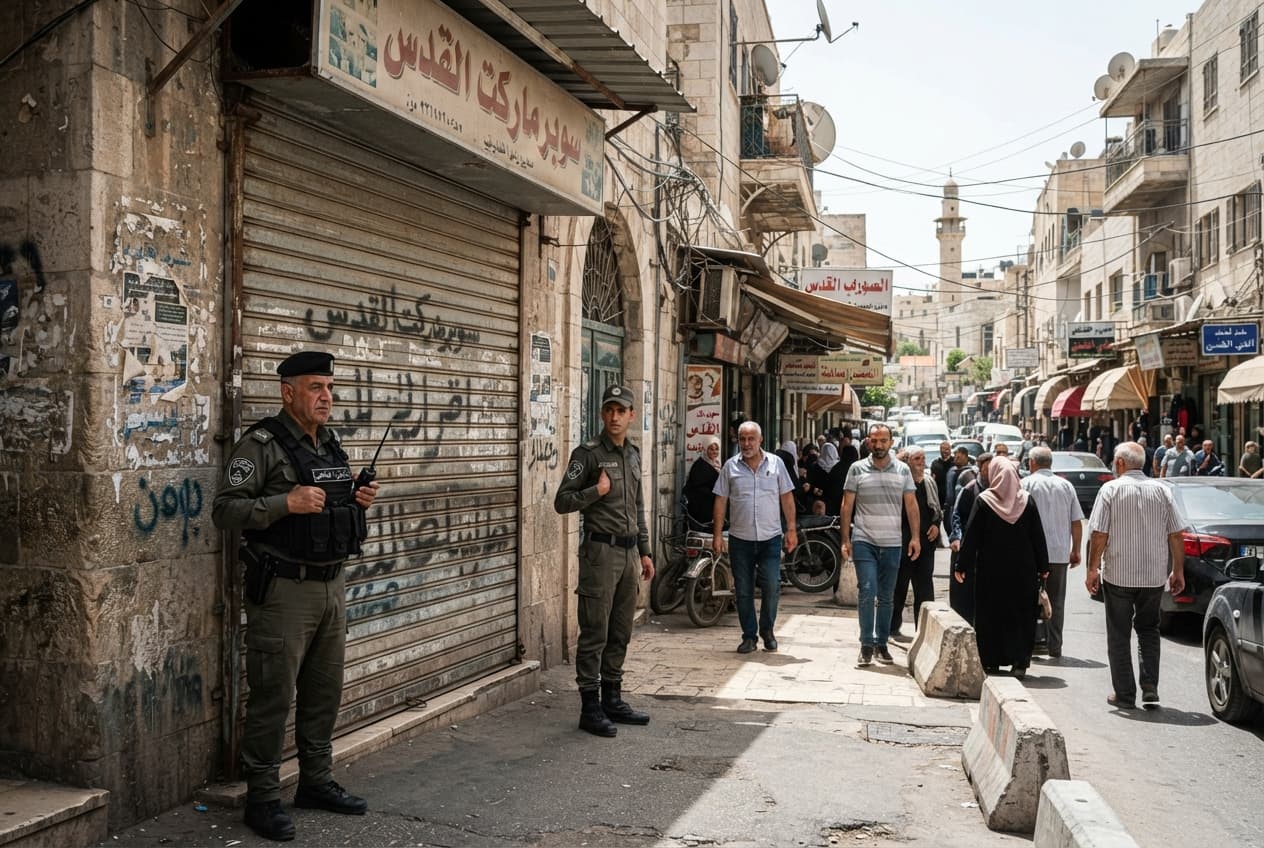
For ordinary civilians across the Middle East, however, these geopolitical developments often carry deeply personal implications. Concerns about inflation, employment, energy costs, and security tend to rise whenever uncertainty dominates international headlines. In many communities, memories of previous regional conflicts remain close enough to shape how current events are understood.
As negotiations remain uncertain, global attention now turns toward whether diplomatic channels can regain momentum before rhetoric hardens further. Both Iran and the United States continue facing pressure from allies, domestic audiences, and international markets that increasingly favor stability over prolonged confrontation.
AI Image Disclaimer: Some accompanying images in this article were created using AI-assisted visual generation for illustrative purposes.
Sources: Reuters, Al Jazeera, Associated Press, BBC News, The Guardian
Published by Banx Network. This article is part of the Banx decentralized media programme, powered by the BXE token on the XRP Ledger.