
Key Highlights
- Upcoming Talks:U.S. and Iranian diplomats are expected to convene in Pakistan.
- Key Issues:Discussions will focus on Iran's nuclear program and regional security.
- Pakistan's Role: The country serves as a neutral ground for these critical negotiations.
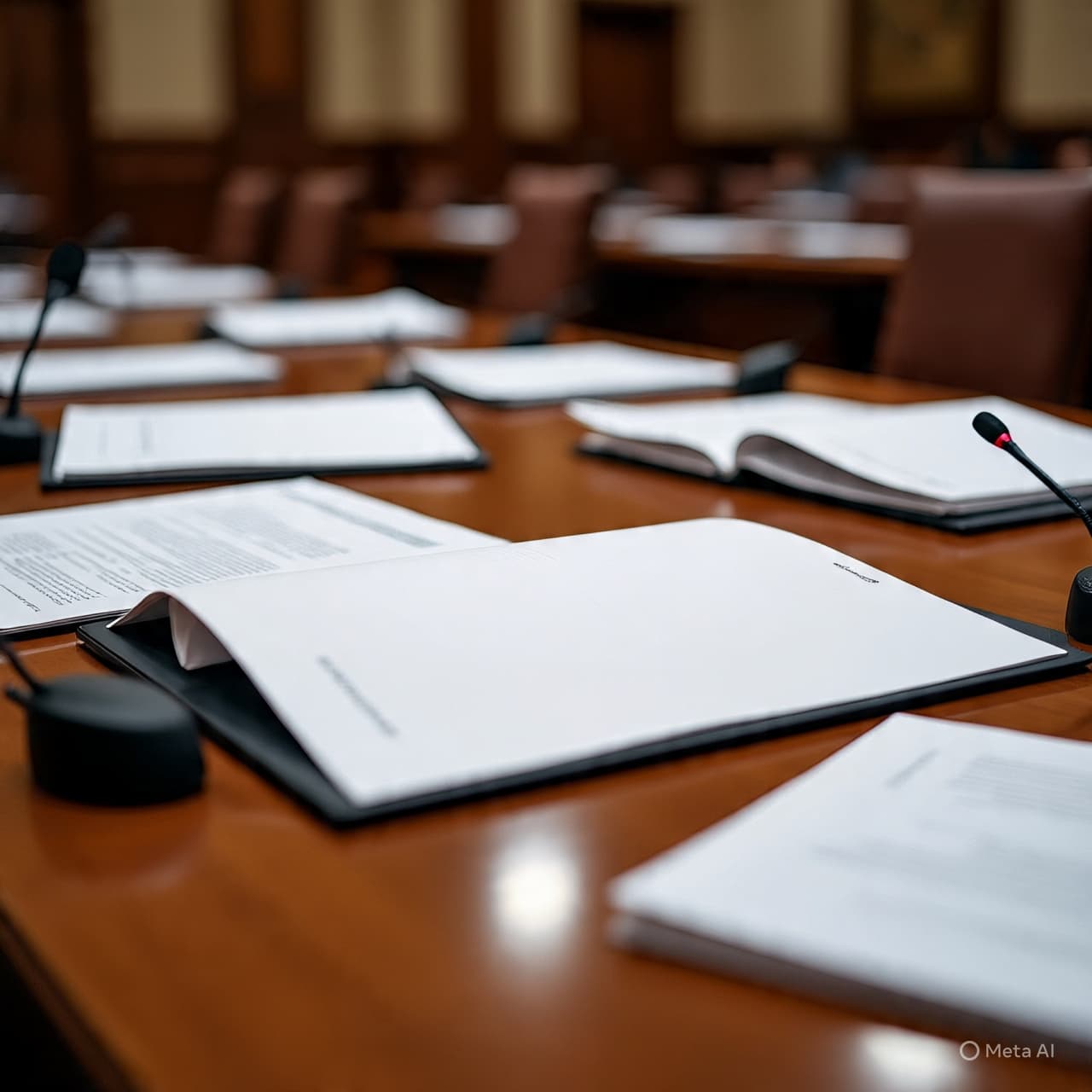
In the long geography of diplomacy, certain locations serve as pivotal pauses—places where tensions simmer beneath the surface, and conversations unfold not as declarations but as careful arrangements of silence and speech. Pakistan, with its unique geopolitical position, is once again becoming a focal point for such discussions, as delegations prepare to gather with unresolved questions carried quietly in their briefcases.
The anticipated talks between the United States and Iran arrive at a moment when global tensions are palpable, straddling the line between confrontation and restraint. These meetings are not unprecedented; however, each carries its own weight, shaped by recent conflicts, shifting alliances, and the uncertainty that often follows fragile periods of calm.
Officials indicate that the delegations will comprise senior diplomatic figures, technical experts, and intermediaries—some visible, while others work behind the scenes. Representatives from regional stakeholders are also expected to be present, highlighting how the dialogue extends beyond the two nations into a broader web of interests across the Middle East and beyond.
While the agenda remains largely undisclosed, it is anticipated to revolve around several enduring concerns. Chief among these is Iran’s nuclear program, a topic that has long defined its engagement with the United States. Discussions may also encompass regional security, particularly in areas where tensions have recently escalated, and the potential for de-escalation measures to prevent further conflict.
Sanctions are another critical issue on the table—economic pressures that shape daily realities far removed from the negotiating table. Any movement regarding sanctions is likely to be gradual, reflecting the cautious approach both sides are expected to adopt.
Pakistan's role as the host adds another layer of complexity to the proceedings. Positioned at a crossroads of geopolitical currents, it offers both neutrality and proximity, allowing conversations to unfold with a degree of distance from immediate flashpoints. Hosting such talks also signals Pakistan's diplomatic aspirations, showcasing its willingness to facilitate dialogue in moments when it is most needed.
The involvement of intermediaries—whether from European partners or regional actors—underscores the intricate nature of these discussions. They are not merely bilateral talks but part of a larger choreography, where each participant brings their own priorities and the echoes of alliances from elsewhere.
Yet beneath the formalities lies a quieter reality: negotiations like these are as much about tone as they are about outcomes. The choice of language, the pauses between proposals, and the willingness to listen all contribute to the negotiation process itself. In such settings, progress is often subtle, emerging slowly, if at all.
As the delegations prepare to meet, the world watches with measured attention. There are no guarantees in dialogue, only the potential for conversation to create space where conflict once dominated.
For now, the facts remain clear: U.S. and Iranian representatives are expected to convene in Pakistan, joined by diplomats and intermediaries, to discuss nuclear issues, regional security, and potential de-escalation steps. Whether these talks will yield tangible outcomes or simply mark another step in a longer, unfolding process will become evident only with time, carried forward by the quiet persistence of dialogue.
Published by Banx Network. This article is part of the Banx decentralized media programme, powered by the BXE token on the XRP Ledger.



