

Key Highlights
- NATO Allies:U.S. and Estonian forces collaborate in Digital Shield exercise.
- Counter-Drone Focus:The exercise tests technologies to detect and neutralize unmanned aerial threats.
- Regional Security:Enhancing defense capabilities is crucial for NATO's eastern flank amid rising tensions.
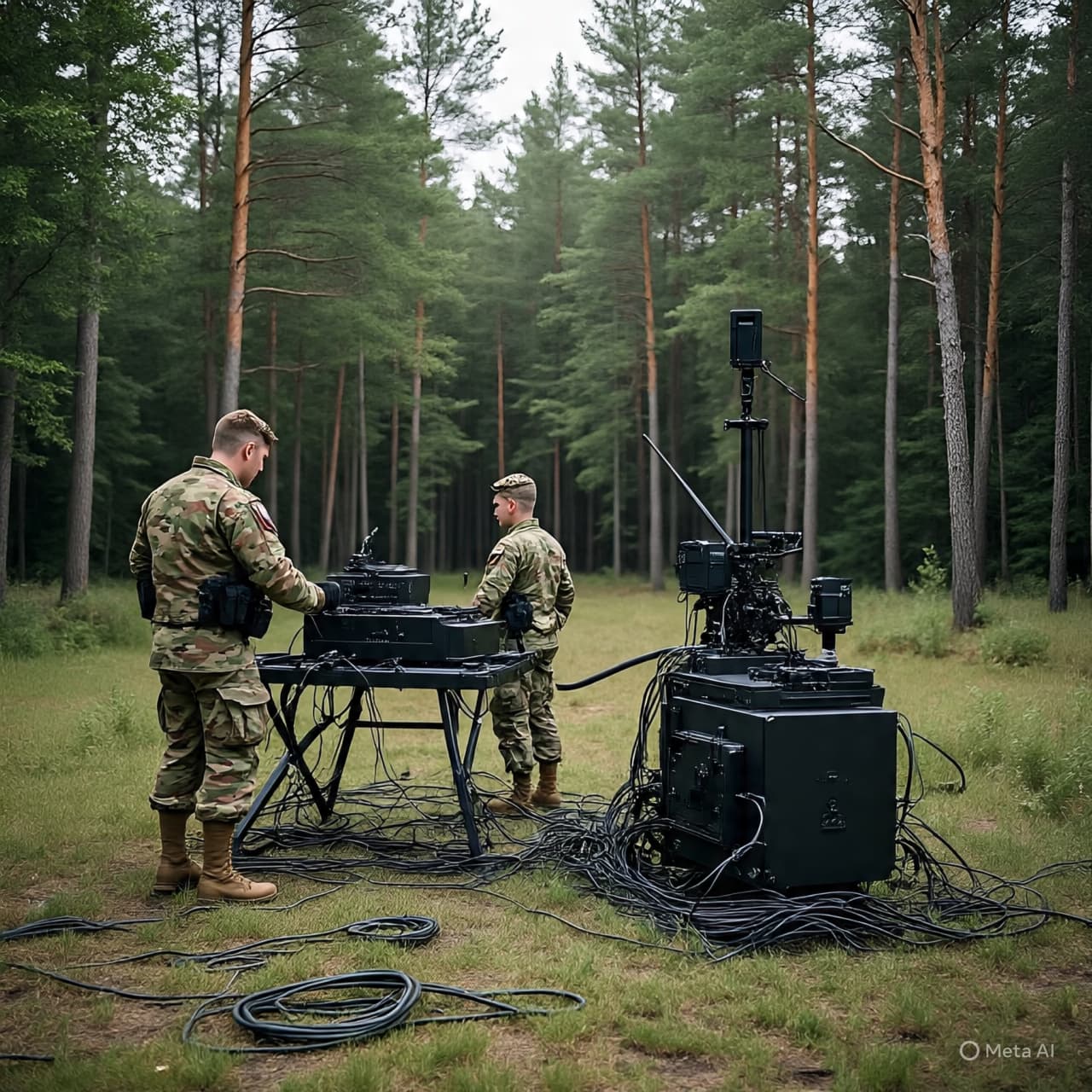
NATO's commitment to enhancing its defense capabilities has taken a significant step forward with the recent Digital Shield exercise held in Estonia. This military drill, which involved U.S. and Estonian forces, focused on testing and refining technologies designed to counter the growing threat posed by drones. As unmanned aerial vehicles (UAVs) become more prevalent in modern warfare, the need for effective countermeasures has never been more critical.
The Digital Shield exercise brought together military personnel, engineers, and defense specialists to explore innovative ways to detect, track, and neutralize drone threats. Participants worked within a coordinated defense network, integrating various sensors and response systems to ensure rapid identification and response to potential incursions. This collaborative approach aims to streamline the process of detecting hostile drones and activating defensive measures, significantly reducing the time required for response.
One of the standout features of the exercise was the ability for operators to control counter-drone systems remotely. This capability allows personnel to manage interception tools from a command center, potentially located miles away from the actual equipment. Such advancements reflect a broader trend in military strategy, emphasizing interconnected systems over isolated weaponry. By linking radar, acoustic sensors, and other detection tools, NATO forces can create a comprehensive picture of the airspace, enabling them to respond to threats more effectively.
The urgency of these exercises is underscored by lessons learned from recent conflicts, particularly the ongoing war in Ukraine, where drones have played a pivotal role in shaping battlefield dynamics. The use of inexpensive UAVs has prompted NATO members, especially those on the eastern flank like Estonia, to reassess their air defense strategies. The Digital Shield exercise serves as a vital platform for testing equipment under realistic conditions, allowing allied forces to strengthen their cooperation and readiness.
Military planners designed the training scenarios to closely mimic operational challenges, including simulated cyber disruptions and communication hurdles. By navigating these complexities, participants gain valuable insights into the performance of their systems in high-pressure situations. This hands-on experience is crucial for ensuring that NATO forces are prepared for real-world threats.
In addition to military personnel, the exercise also featured collaboration with civilian defense technology developers. Companies showcased experimental systems capable of detecting and intercepting drones, providing military personnel with the opportunity to evaluate cutting-edge tools that could enhance operational capabilities. This partnership between government forces and the private sector highlights the rapid evolution of drone technology and the need for innovative solutions to address emerging threats.
As the Digital Shield exercise unfolded across Estonia's training grounds, it became clear that the future of military operations will increasingly rely on advanced technologies and collaborative strategies. Soldiers monitored screens, systems exchanged data seamlessly, and simulated drones navigated the airspace, all contributing to a comprehensive training experience. While the quiet landscapes of the Baltic region may seem distant from global tensions, exercises like Digital Shield underscore NATO's commitment to adapting its defense strategies in an ever-changing security environment.
Published by Banx Network. This article is part of the Banx decentralized media programme, powered by the BXE token on the XRP Ledger.




