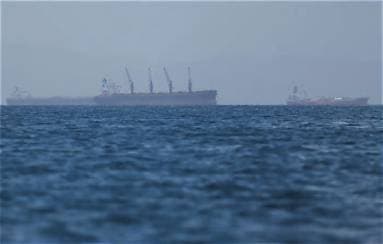
Under the hush of early dawn, the Caribbean waters once again bear witness to a modern tragedy — one whispered in classified cables, debated in distant halls of power, and contested in public discourse. A military strike aimed at shutting down alleged drug-trafficking vessels has reportedly left survivors in its wake — survivors who, according to recent reporting, were then subjected to a second strike. These claims cast a long, uncertain shadow over what began as a mission framed in the language of security and enforcement.
The operation in question — said to have taken place on September 2, 2025 — initially targeted a boat suspected of smuggling narcotics. When the first strike failed to kill all aboard, sources familiar with the mission allege that the second order was given to “kill everybody,” effectively eliminating the survivors. The toll — eleven people aboard, all reportedly dead.
But now, key allies of Trump — including Markwayne Mullin, a U.S. senator — dismiss these reports as unverified and built on anonymous sources. Their rejection adds petrol to the fire of controversy already sizzling among lawmakers, human rights experts, and international observers.
To critics, this is not about politics alone. It’s about rule of law, human dignity, and the boundaries of military power. Some argue that the alleged follow-up strike may amount to extrajudicial executions or even war crimes — because the people aboard reportedly posed no immediate threat when the second strike hit, and because they were not afforded due process.
Defenders of the operation — and of the broader campaign led by Pete Hegseth, U.S. Secretary of Defense — frame the strikes as part of a “war on narcoterrorism,” aimed at preventing drugs from flooding U.S. borders. Still, even among U.S. lawmakers the tide may be turning: bipartisan calls for oversight are growing louder, demanding transparency, evidence, and accountability.
What emerges from these swirling allegations is a troubling question: when a state frames its actions as necessary for security — does that justify silencing survivors? When military might meets murky intelligence — who ensures innocent lives are not erased without cause?
These are not easy questions, and the answers may not come quickly. What this moment demands — at the very least — is clarity. Investigation. Honesty. Respect for human rights. Because once the smoke clears and the boat sinks, it is often the quiet stories — the ones of survivors, of families left behind — that vanish first.
For now, the voices calling the reports into question may hold power. But across capitals and human rights forums, others are calling for a reckoning. A reckoning based not on secrecy or silence — but on truth, transparency, dignity.
AI image disclaimer Visuals are created with AI tools and intended for representation only, not real photographs.
Sources Axios, The Washington Post, The Guardian, Military.com, PBS News
Published by Banx Network. This article is part of the Banx decentralized media programme, powered by the BXE token on the XRP Ledger.