In many towns across Cuba, public squares and government buildings stand as quiet symbols of the country’s political structure — places where daily administration unfolds behind familiar facades. On most days, the streets around these offices carry ordinary life: pedestrians passing by, conversations drifting through warm air, the steady rhythm of local routines.
But in one town, that calm was briefly broken when a small protest gathered outside a local office of the ruling Communist Party.
Authorities confirmed that five people were arrested following the demonstration. The protest took place outside a local office of the Communist Party of Cuba, where participants reportedly voiced grievances before police intervened and detained several individuals.
Details about the demonstration remain limited, but reports indicate that the group assembled outside the party building to express dissatisfaction with local conditions. Such gatherings are uncommon in Cuba, where political demonstrations not organized by the state are tightly restricted.
Police moved in to disperse the protest, and five people were taken into custody. It was not immediately clear what charges, if any, the detainees might face, though authorities often investigate such incidents under laws governing public order and unauthorized assembly.
Cuba’s political system centers around the Communist Party of Cuba as the country’s sole legal political party. Local party offices across the island function as administrative hubs where political and community matters are managed, linking neighborhoods with the broader national structure.
Occasional protests have appeared in recent years as some residents voice frustration over economic hardship, shortages of basic goods, and the pressures that have shaped daily life across the island. These demonstrations, though typically small and short-lived, sometimes draw swift responses from security forces.
Observers note that gatherings outside government offices can quickly attract official attention in a system where political expression is closely monitored. For authorities, maintaining public order around such institutions remains a central priority.
The arrests following the protest reflect that tension between civic frustration and political control — moments when public spaces briefly become stages for dissent before the familiar order returns.
By the following hours, the street outside the party office had returned to its usual quiet rhythm. Yet the brief protest, and the arrests that followed, remain part of the ongoing story of how citizens and institutions interact within Cuba’s tightly structured political landscape.
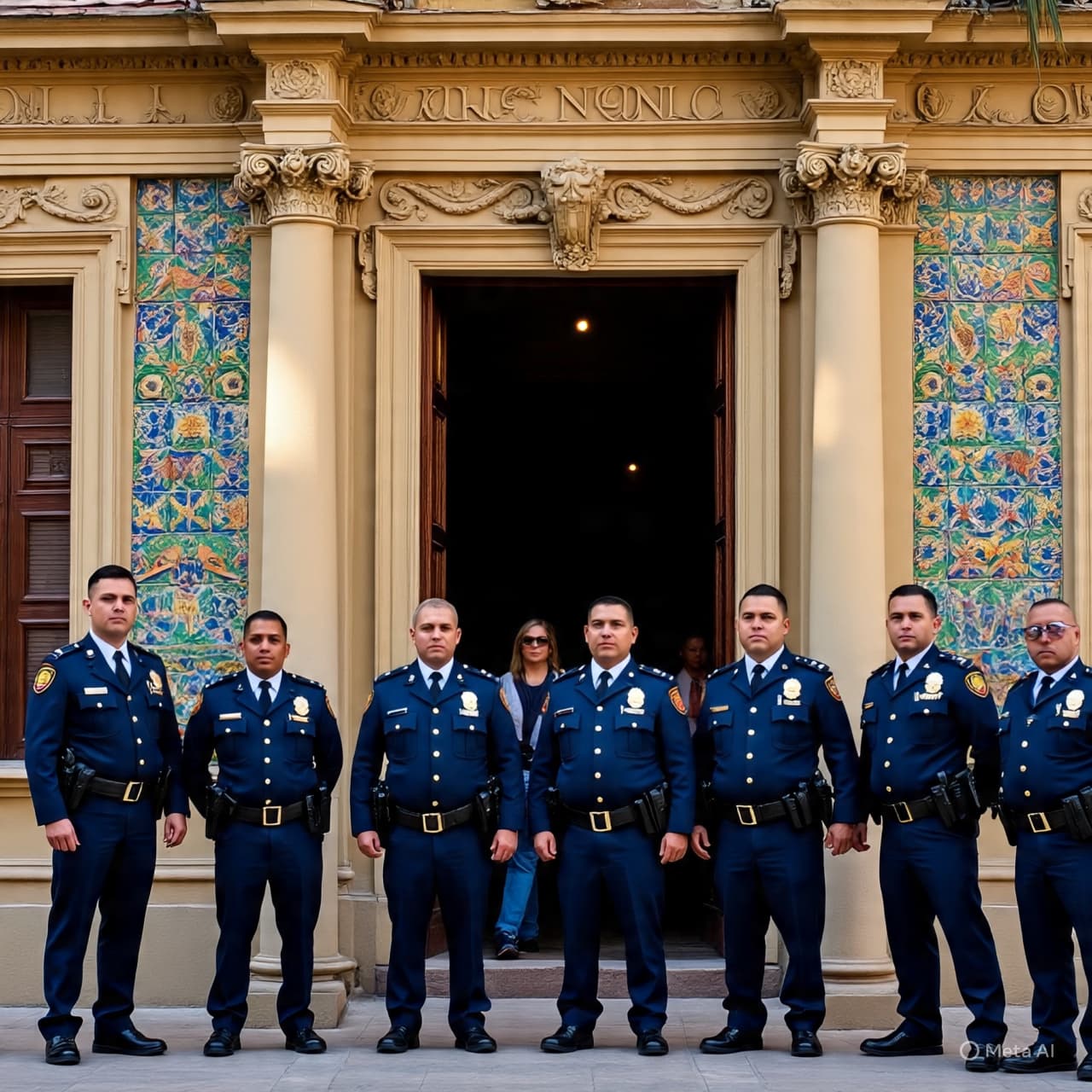
AI Image Disclaimer Illustrations were created using AI tools and serve as conceptual representations.
Sources
Reuters
Associated Press
BBC News
Al Jazeera
Agence France-Presse
Published by Banx Network. This article is part of the Banx decentralized media programme, powered by the BXE token on the XRP Ledger.