

Key Highlights
- Australia prioritizes energy security in recent diplomatic moves.
- Prime Minister Albanese's early visit to Singapore signals urgency.
- Engagement with China reflects economic interdependence amid political tensions.
Australia's recent diplomatic maneuvers underscore a growing urgency surrounding energy security, particularly in the context of global supply chain disruptions. Prime Minister Anthony Albanese's decision to expedite his visit to Singapore is not merely a logistical adjustment; it reflects a deeper understanding of the critical role that energy plays in national stability and economic continuity.
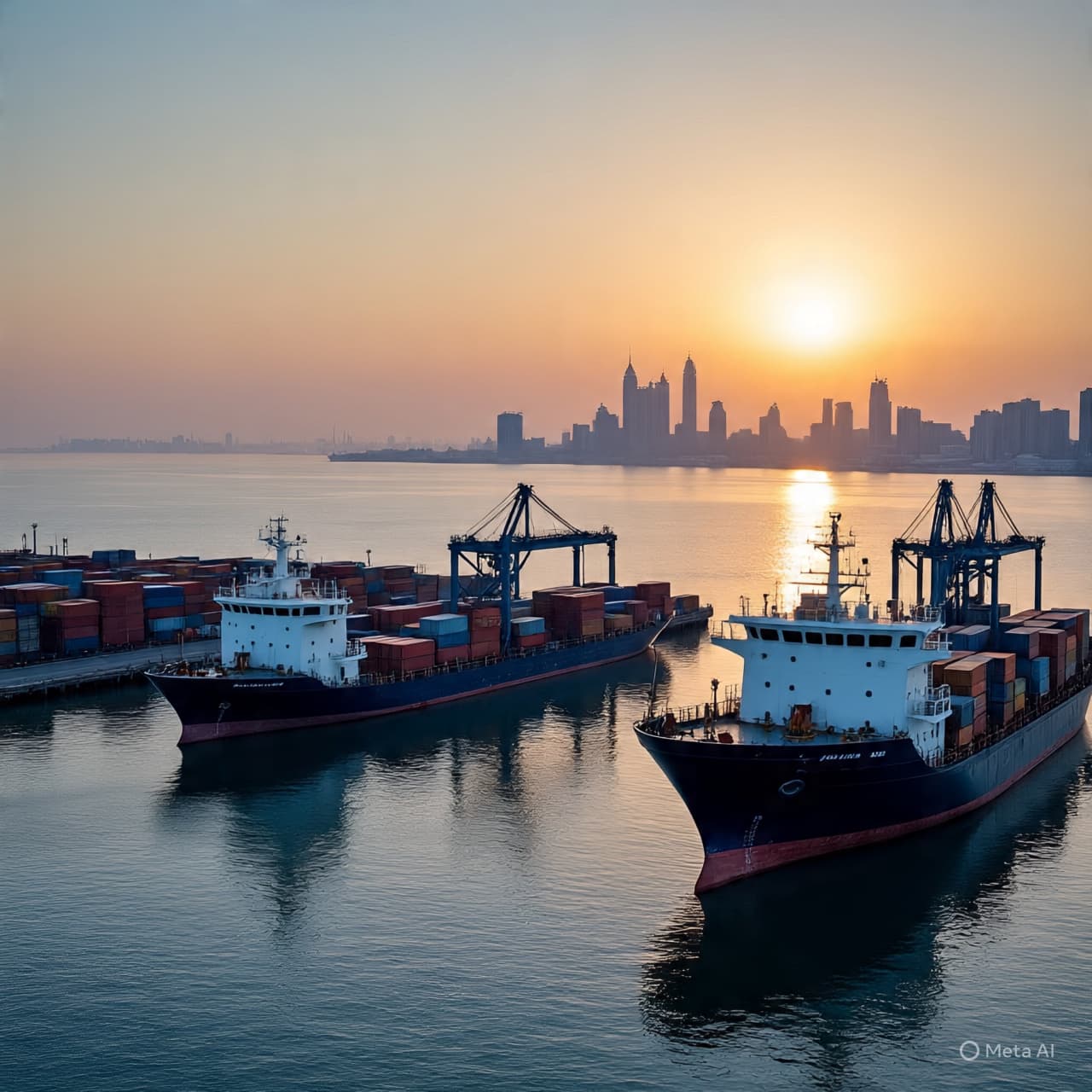
The significance of petrol shipments, often overlooked, cannot be understated. They serve as the lifeblood of modern economies, facilitating daily activities and sustaining industries. As Australia navigates its energy landscape, the focus on maintaining a steady flow of fuel is paramount, especially given the unpredictable nature of global energy markets.
In this context, Singapore emerges as a vital partner. The city-state is not only a major refining hub but also a strategic trading center that enables efficient energy resource distribution across the region. Strengthening ties with Singapore is essential for Australia, as it seeks to bolster its energy resilience and ensure a reliable supply chain amidst ongoing geopolitical tensions.
Moreover, Australia's engagement with China highlights the complexities of international relations in the energy sector. Despite existing political differences, the economic interdependence between the two nations remains strong. Energy serves as a common ground, allowing for pragmatic discussions that prioritize stability over rhetoric. This balancing act is crucial as both countries navigate their respective energy needs and supply challenges.
The backdrop of these developments is a global energy landscape still reeling from recent disruptions, including conflicts that have affected shipping routes and fluctuations in refining capacities. For Australia, which is geographically distant from many key refining centers, the implications of these disruptions are particularly pronounced. The urgency of diplomatic outreach reflects a proactive approach to mitigate potential shortages before they escalate into crises.
As Australia continues to strengthen its energy partnerships, the focus will likely remain on logistics and contingency planning. These discussions, while not always making headlines, are critical in ensuring that fuel flows remain uninterrupted. Trust and cooperation among nations will be essential in navigating the complexities of energy supply chains, particularly in a world where geopolitical tensions can rapidly shift the landscape.
In conclusion, Australia's recent diplomatic efforts are not merely reactive but rather a strategic response to the evolving global energy landscape. By prioritizing energy security and fostering strong relationships with key partners, Australia aims to maintain stability in its fuel supply, ensuring that daily life continues uninterrupted even amidst global uncertainties. The story is one of vigilance and foresight, as Australia seeks to navigate the intricate web of energy diplomacy with a steady hand.
Published by Banx Network. This article is part of the Banx decentralized media programme, powered by the BXE token on the XRP Ledger.




