

Key Highlights
- Ongoing diplomatic efforts aim to stabilize Middle Eastern shipping routes.
- Maritime tensions threaten international trade and energy supply chains.
- Shipping companies reassess routes due to increased security concerns.
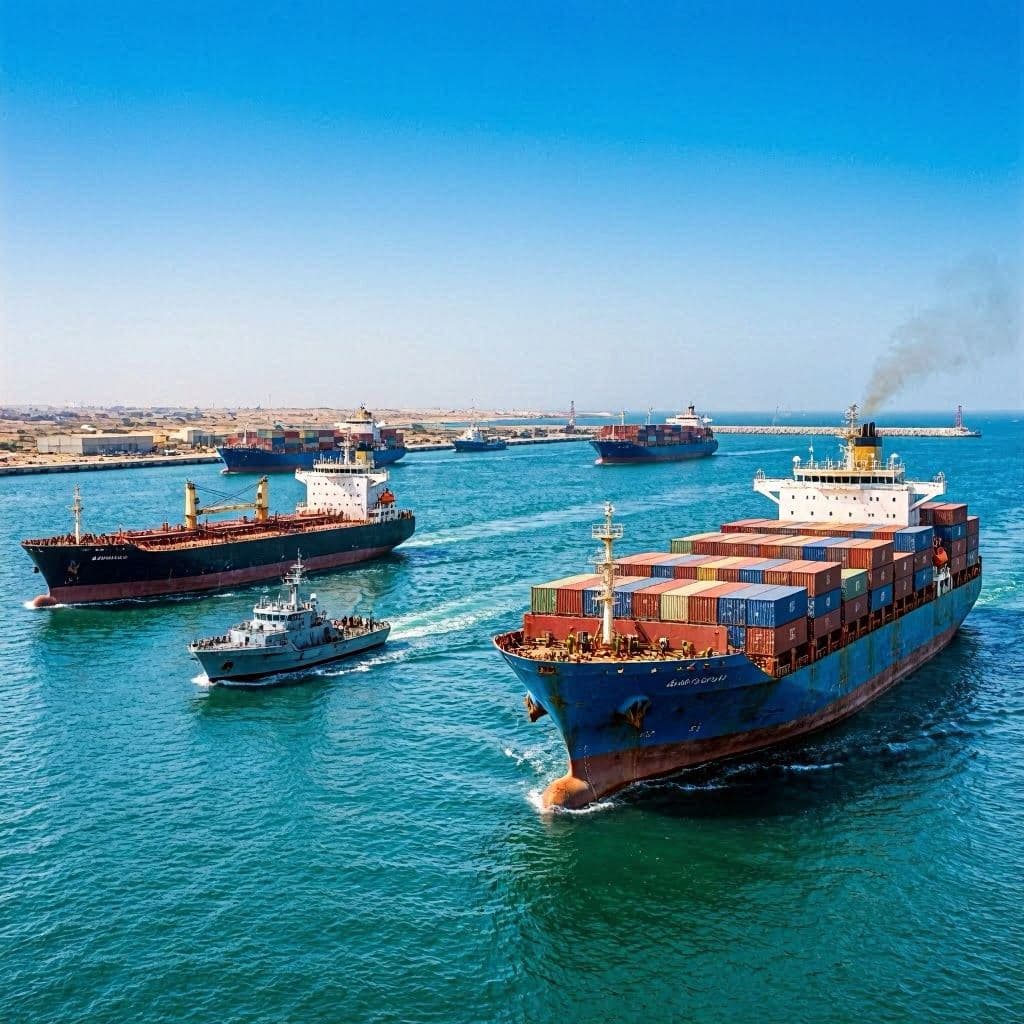
The sea has long been more than just water and waves; it serves as a vital passage for commerce and a bridge between nations. In the Middle East, these waters have once again become a focal point of international concern, reflecting the anxieties of the region. As tensions rise, diplomatic efforts among countries in the region continue, aiming to prevent disruptions to critical shipping routes that carry energy supplies and commercial goods to global markets.
The strategic importance of waterways in the Middle East extends far beyond the region itself. Any prolonged disruption could have significant repercussions for international trade, energy prices, and supply chains that connect Asia, Europe, and the Americas. The stakes are high, and governments, along with international organizations, have repeatedly emphasized the necessity of maintaining freedom of navigation and avoiding actions that could escalate tensions.
Diplomatic channels remain active, with mediators encouraging restraint and dialogue among regional actors. Despite the backdrop of maritime tensions, officials from several governments are engaging in talks aimed at ensuring the safety of shipping routes. This ongoing dialogue is crucial, as it helps to mitigate the risk of miscalculations that could lead to further instability.
Shipping companies and insurers are closely monitoring developments in the region. Increased security concerns have prompted some firms to reassess their routes and contingency plans, highlighting how geopolitical risks can significantly influence commercial decisions. The maritime industry is acutely aware that even limited concerns over security can create uncertainty among investors and importers, particularly in countries heavily reliant on energy imports.
Regional analysts note that diplomacy often operates quietly, away from the headlines and public statements. While negotiations may not immediately resolve underlying disagreements, they can provide opportunities for communication and reduce the risk of escalation. The continuation of diplomatic engagement suggests that regional actors recognize the high costs associated with prolonged instability.
For now, the waters remain tense but open, and diplomacy continues its patient effort to keep commerce and communication flowing across one of the world's most strategically important regions. The balance between shipping lanes and diplomatic efforts is delicate, but essential for maintaining stability in an increasingly interconnected global economy.
Published by Banx Network. This article is part of the Banx decentralized media programme, powered by the BXE token on the XRP Ledger.




