In Massachusetts, winter often reveals itself quietly — in early sunsets, in office lights left on a little longer than usual. This season, that quiet has settled over several workplaces preparing for their final days. Across different corners of the state, three companies have announced plans to close local facilities, decisions that will ripple through communities where work has long shaped daily rhythm.
Together, the closures are expected to affect roughly 250 employees, a number that feels both precise and insufficient. Precise in accounting, insufficient in capturing the weight of routines about to end — morning commutes, familiar workstations, conversations paused mid-sentence. Each company cited a mix of strategic realignment, operational consolidation, and shifting market conditions, language that sounds distant but lands close to home.
The facilities span different industries, underscoring how economic pressure rarely confines itself to a single sector. Some operations are being folded into larger regional hubs; others are being wound down entirely as companies reassess costs and long-term demand. While the decisions were framed as necessary for future stability, they arrive at a moment when uncertainty already presses heavily on workers and local economies.
For those employed at the affected sites, the timeline is now measured in weeks and months rather than years. Layoff notices bring practical concerns first — severance, benefits, next steps — followed by the harder questions of identity and continuity. In towns where these facilities have provided steady employment, the closures also leave quieter streets, fewer lunch crowds, and a sense that something reliable has slipped away.
State labor officials and local leaders have pointed toward workforce assistance programs and retraining resources, emphasizing transition over permanence. Yet transitions take time, and time is unevenly distributed. For some workers, new opportunities may appear quickly; for others, the path forward will be slower, shaped by age, specialization, and the changing demands of the labor market.
These closures do not signal collapse, nor do they stand alone. They are part of a broader pattern in which companies refine their footprints, responding to economic pressures that favor flexibility over geography. Still, for the people packing up desks and saying final goodbyes, the broader pattern offers limited comfort.
As Massachusetts continues to balance innovation with stability, moments like this serve as quiet markers of change. The buildings will eventually empty, the lights will turn off, and something else may take their place. But for now, the focus remains on the people in between — standing at the edge of endings, waiting for what comes next.
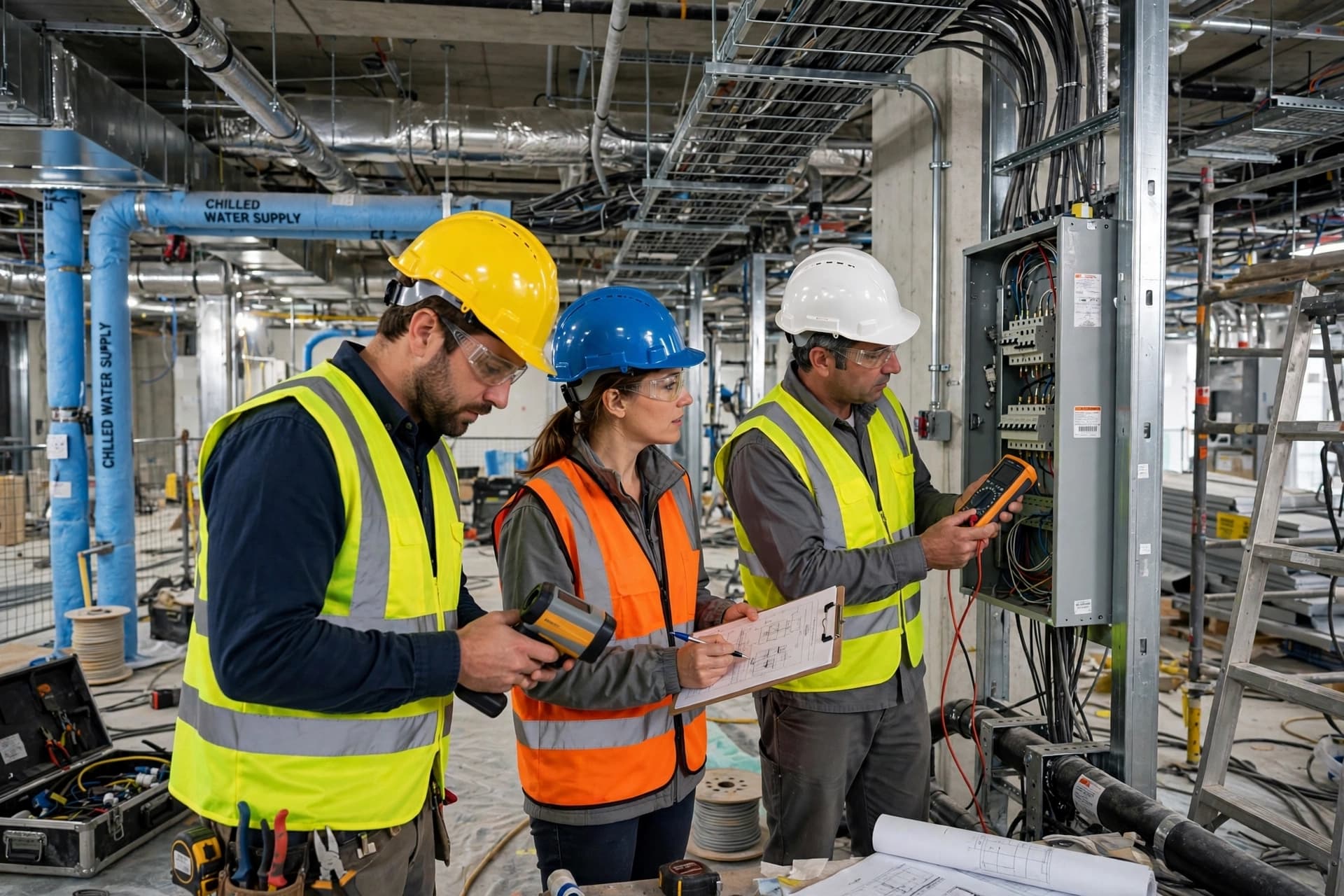
AI Image Disclaimer Visuals are AI-generated and intended as conceptual representations.
Sources (names only) Massachusetts Executive Office of Labor Reuters Bloomberg Associated Press Boston Globe
Published by Banx Network. This article is part of the Banx decentralized media programme, powered by the BXE token on the XRP Ledger.