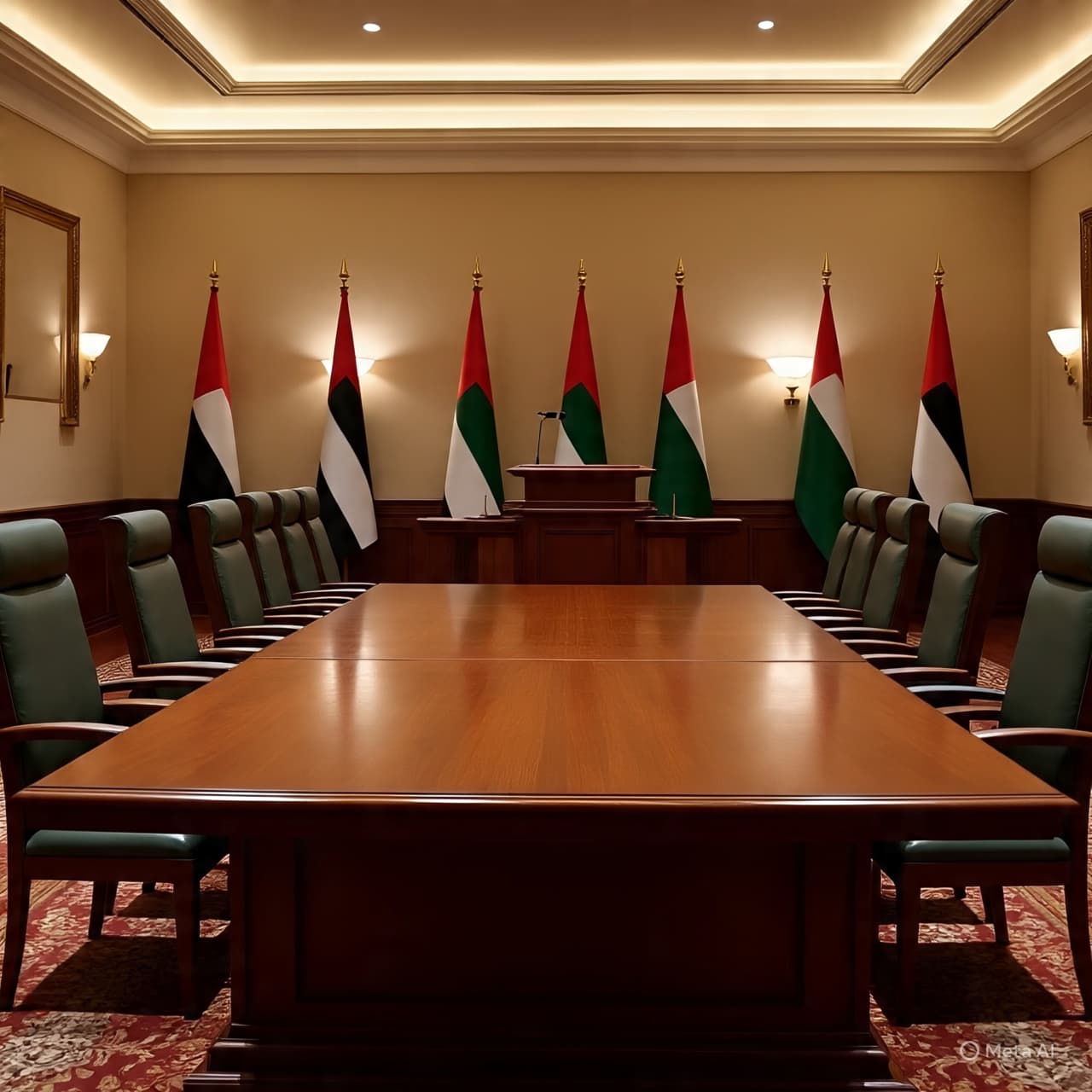
The invitation arrived while the fighting had not yet paused. As clashes continued across parts of Yemen, Saudi Arabia announced it would host talks bringing together Yemeni factions, an attempt to revive dialogue at a moment when the country’s divisions appear to be widening rather than narrowing.
Riyadh’s call for dialogue is aimed primarily at Yemen’s southern political forces, a constellation of groups whose rival ambitions have increasingly spilled into open confrontation. The move reflects growing concern that internal fragmentation — separate from the long-running war with Houthi forces — risks hardening into a permanent fracture of the Yemeni state.
Saudi officials framed the talks as an inclusive effort, one meant to gather political actors with competing visions for the south under a single umbrella. The stated goal is to address long-standing grievances through political mechanisms rather than force, a message repeated often but realized rarely over the past decade of conflict.
On the ground, however, the reality remains volatile. Armed confrontations have persisted in strategic regions, particularly in the east and south, involving forces aligned with the internationally recognized government and southern separatist groups. These clashes underscore the challenge facing any diplomatic initiative launched while weapons are still in use.
The Southern Transitional Council, a powerful player backed by regional allies, has in recent months taken steps that signal a renewed push toward autonomy, if not outright separation. Its political declarations have deepened tensions with other Yemeni factions and complicated Saudi Arabia’s effort to preserve a unified negotiating framework.
For Riyadh, the invitation serves multiple purposes. It signals a preference for political solutions at a time when military options have delivered diminishing returns, while also reaffirming Saudi Arabia’s role as a central broker in Yemen’s future. The talks are intended to reduce infighting among allied groups, a prerequisite for any broader settlement.
Yet skepticism remains widespread. Yemen’s recent history is marked by dialogues that struggled to survive the pressures of armed conflict, shifting alliances, and regional rivalries. Each new round of talks carries the weight of past failures, even as it offers a narrow opening for de-escalation.
Whether this initiative becomes a turning point or another footnote will depend not only on who attends, but on whether the guns fall silent long enough for words to matter. For now, Yemen stands suspended between two realities — one shaped by negotiation rooms, the other by the battlefield.
Published by Banx Network. This article is part of the Banx decentralized media programme, powered by the BXE token on the XRP Ledger.