
Key Highlights
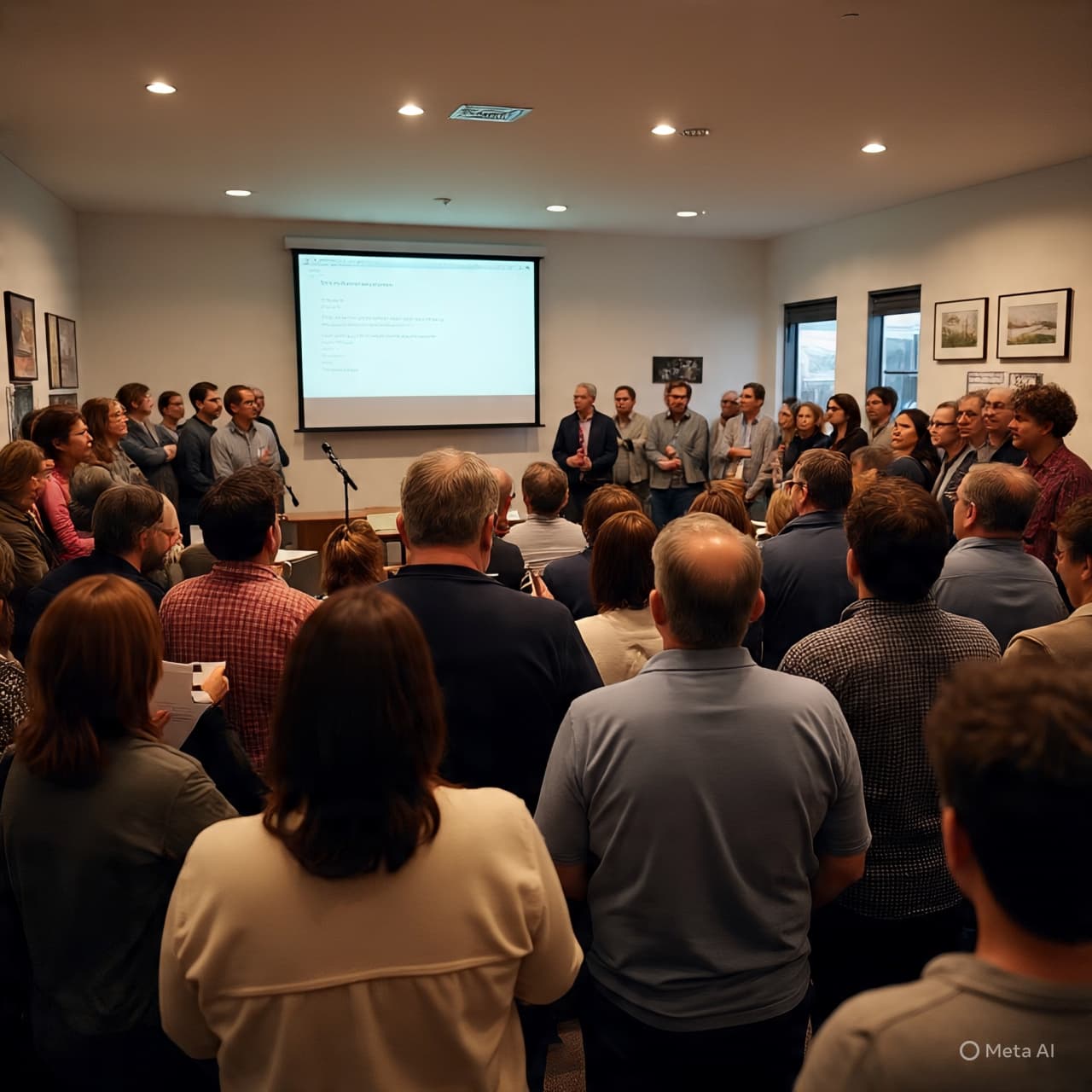
- Residents gathered at Moa Point for a public meeting on coastal development plans.
- Concerns raised about environmental impacts and community engagement.
- City officials faced heated questions amid rising tensions.
Public sentiment reached a boiling point at Moa Point, Wellington, during a recent public meeting focused on proposed coastal development plans. The meeting, which attracted a standing-room-only crowd, served as a platform for residents to voice their concerns about the potential impacts of the project on their community and the environment. As the wind whipped outside, the atmosphere inside was charged with urgency and frustration.
City officials from the Wellington City Council were present to provide updates and clarify the details surrounding the development proposal. However, as the meeting progressed, it became clear that many attendees were dissatisfied with the responses they received. Questions about the environmental implications of the project, the transparency of the decision-making process, and the adequacy of community consultation dominated the discussion. The officials attempted to explain the timelines and technical assessments involved, but their efforts were frequently interrupted by audience members seeking more direct answers.
Moa Point, a unique area characterized by its industrial backdrop and proximity to the sea, has become a focal point for discussions about urban development and environmental sustainability. Residents expressed deep-seated anxieties regarding the long-term consequences of the proposed changes, fearing that their beloved coastal landscape could be irrevocably altered. Some attendees questioned whether alternative solutions had been adequately considered, while others urged the council to take a more cautious approach.
Despite the rising tensions, city officials reiterated their commitment to ongoing engagement with the community. They emphasized that no final decisions would be made without thorough regulatory oversight and public input. However, the palpable frustration in the room suggested that many felt the consultation process had not been as inclusive as it should be. The meeting highlighted a growing sentiment among residents that their voices were not being heard in the decision-making process.
As the evening wore on, the atmosphere oscillated between heated debate and moments of calm. Moderators worked to maintain order, adjusting microphones and encouraging respectful dialogue. Yet, the underlying tension remained evident, reflecting a broader struggle between civic engagement and the complexities of urban planning. Outside, the relentless wind continued to batter the coastline, a stark reminder of the natural forces at play in this coastal city.
Public meetings like this one rarely resolve disputes in a single session. Instead, they serve as critical junctures where individual concerns coalesce into collective action. The gathering at Moa Point was a vivid illustration of this dynamic, where technical discussions collided with the lived experiences of residents. As the council prepares to move forward with the proposal, the echoes of this meeting will likely resonate throughout the community, influencing future conversations about development and environmental stewardship.
In the coming weeks, the Wellington City Council has promised further consultations and documentation as the proposal progresses through the necessary stages. For now, the meeting stands as a poignant reminder of the challenges faced by coastal cities, where the interplay between geography and governance shapes the lives of residents.
Published by Banx Network. This article is part of the Banx decentralized media programme, powered by the BXE token on the XRP Ledger.



