Medicine sometimes advances not with sudden triumphs, but with quiet observations—moments when a familiar pattern falters. For decades, HIV has been known for its persistence, a virus that rarely relinquishes its hold once it settles inside the human body. Treatment has transformed lives, allowing millions to live long and healthy years. Yet the expectation has remained steady: therapy must continue, day after day, to keep the virus at bay.
But in laboratories and clinics across Africa, researchers have begun noticing something unusual in children who received treatment almost immediately after birth. In a small number of cases, the virus appears to fall into a prolonged silence even after medication stops. It is not a cure—scientists are careful with that word—but it is something intriguing: remission.
At the recent Conference on Retroviruses and Opportunistic Infections, several pediatric studies offered glimpses of how the future of HIV treatment might evolve, especially for the youngest patients.
In one study following children treated with antiretroviral therapy almost immediately after birth, researchers observed a rare phenomenon. After years of successful viral suppression, treatment was intentionally paused under close medical supervision. Most children experienced a return of the virus within weeks, which is typical. But a few did not.
Three children continued to maintain extremely low or undetectable levels of the virus without therapy. Others experienced delayed rebounds months or even years later. In the broader cohort, several children remain in what scientists describe as viral remission—meaning their immune systems appear to keep HIV suppressed without daily medication.
The pattern hints at a possibility long discussed in HIV research: that very early treatment might prevent the virus from establishing large, hidden reservoirs in the body. If those reservoirs remain small enough, the immune system may sometimes hold the infection in check.
Another experimental approach explored whether carefully designed antibodies might help maintain that control.
In Botswana, researchers tested a combination of three broadly neutralizing antibodies—laboratory-engineered immune molecules capable of targeting many strains of HIV. The antibodies were administered to children who had been treated early in life and already had strong viral suppression.
After stopping their standard antiretroviral drugs, the children continued receiving the antibody therapy alone. So far, every participant in the trial has maintained undetectable viral levels during the treatment period. The next stage will ask an even more delicate question: whether viral control can continue after the antibody therapy itself is withdrawn.
If that happens, it would suggest that antibodies might help the immune system reach a more durable balance with the virus.
While remission studies explore the edges of possibility, another set of results addressed a more immediate challenge: adherence. For many adolescents living with HIV, taking daily medication for years can become difficult, especially during the turbulent years of adolescence.
Long-acting injectable treatments are emerging as an alternative.
In a multinational study involving teenagers aged 12 to 17, participants switched from daily pills to injections of two antiretroviral medicines administered every eight weeks. After nearly two years, the results were strikingly stable. Almost all participants maintained viral suppression, and none experienced treatment failure during the study.
Some reported temporary injection-site reactions—redness, swelling, or soreness—but the majority said they preferred the periodic injections to remembering pills each day.
Taken together, the studies illustrate how pediatric HIV research is gradually broadening its horizons. Some scientists are exploring whether remission might one day become possible for certain children. Others are focusing on treatments that make lifelong care easier and more reliable.
Globally, around 1.4 million children under the age of 14 live with HIV, and hundreds of thousands are newly infected each year. For many of them, access to treatment remains uneven. In that context, each incremental advance carries significance.
The new findings do not yet promise a cure, and researchers emphasize that careful monitoring and larger studies are still needed. But they suggest that early treatment, innovative antibody therapies, and long-acting medicines may gradually reshape how HIV is managed in childhood.
In the quiet spaces between these discoveries lies a cautious optimism. Sometimes progress in medicine appears not as a single breakthrough, but as a collection of small shifts—each one gently nudging the boundaries of what once seemed impossible.
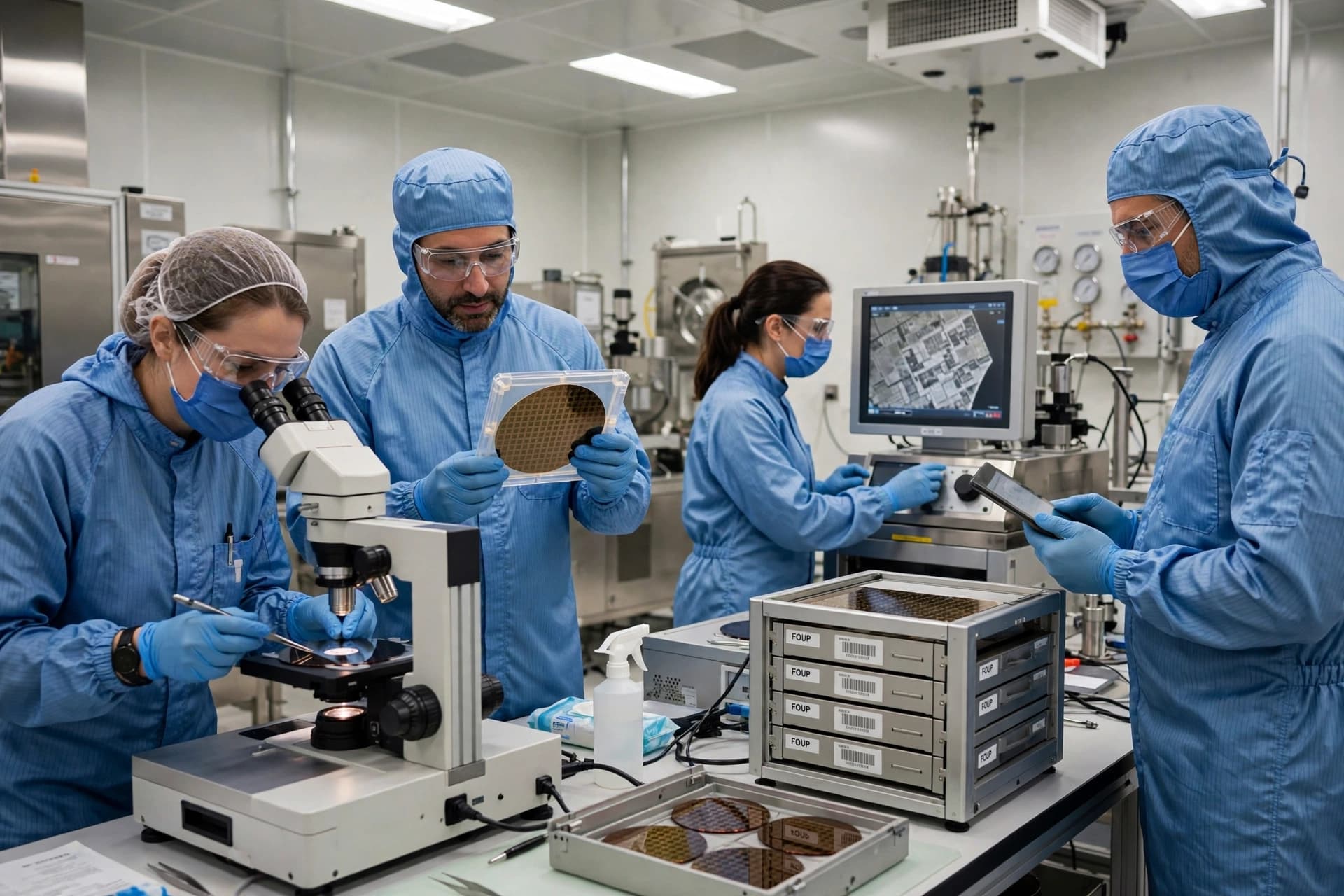
AI Image Disclaimer Illustrations were produced with AI and serve as conceptual depictions.
Sources aidsmap Nature Medicine The Lancet HIV Johns Hopkins Medicine Newsroom International Maternal Pediatric Adolescent AIDS Clinical Trials Network (IMPAACT)
Published by Banx Network. This article is part of the Banx decentralized media programme, powered by the BXE token on the XRP Ledger.