
Key Highlights
- Severe flooding in northern Vanuatu has destroyed agricultural land.
- Farmers face significant crop losses, impacting food supplies.
- Emergency aid teams are providing assistance to affected communities.
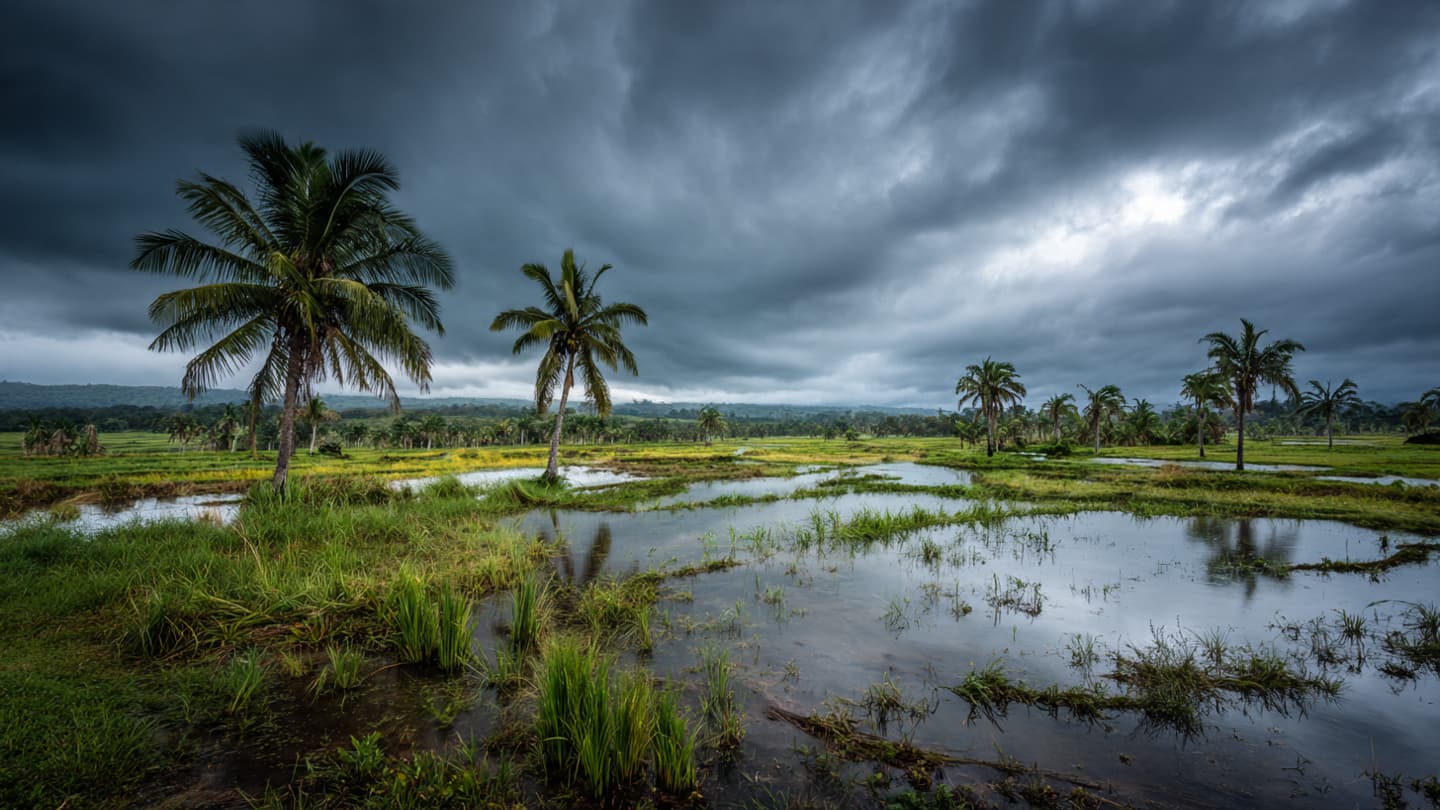
Severe flooding has struck northern Vanuatu, transforming the landscape into a waterlogged expanse that has devastated agricultural land. The relentless rain, which persisted for days, has left fields submerged and farmers grappling with the loss of vital crops. Reports indicate that staple foods such as taro, banana, and cassava have been severely affected, raising alarms about food security in the region.
As floodwaters engulfed farmland, farmers navigated through muddy fields, witnessing their harvests vanish overnight. The overflow from nearby rivers inundated low-lying areas, leading to widespread destruction. With the waters now slowly receding, the aftermath reveals fallen trees and debris scattered across what was once fertile ground, highlighting the extent of the damage.
Local officials have expressed concerns that the agricultural losses could pose long-term challenges for the island communities that rely heavily on seasonal farming. Village markets are experiencing a significant reduction in produce availability, prompting some families to begin rationing their food supplies. The situation is dire, as transportation and trade routes remain compromised due to landslides and damaged infrastructure caused by the relentless rainfall.
In response to the crisis, emergency aid teams have mobilized alongside community volunteers to distribute essential supplies such as rice and bottled water. The efforts are concentrated in districts where crop destruction has been most severe, aiming to alleviate immediate food shortages. However, the recovery process is complicated by the ongoing challenges posed by the weather.
Meteorologists have linked the flooding to prolonged tropical weather systems affecting the South Pacific, which have brought unusually heavy rainfall to the northern islands. Authorities warn that additional rain could exacerbate soil erosion and hinder recovery efforts for farmers attempting to salvage any remaining crops. The community's resilience is being tested as they navigate these unprecedented challenges.
Farming in these villages is not merely a means of livelihood; it is intertwined with daily life and community identity. Conversations among farmers reflect a deep sense of loss, not just in economic terms but also in the disruption of their routines and memories tied to the land. As children traverse flooded pathways and elders assess the damage, the emotional toll of the flooding becomes evident.
While floodwaters will eventually recede, the road to recovery is fraught with uncertainty. Fields remain waterlogged, and the future of farming in northern Vanuatu hangs in the balance as communities await the return of favorable conditions for planting. Authorities are actively assessing the agricultural losses and coordinating relief efforts to support the affected farming communities, but the path ahead remains challenging.
As the situation develops, the resilience of these communities will be tested, and their ability to adapt to the changing climate will be crucial in the months to come. The hope is that, with support and time, the land will recover, allowing farmers to return to their essential work.
Published by Banx Network. This article is part of the Banx decentralized media programme, powered by the BXE token on the XRP Ledger.



