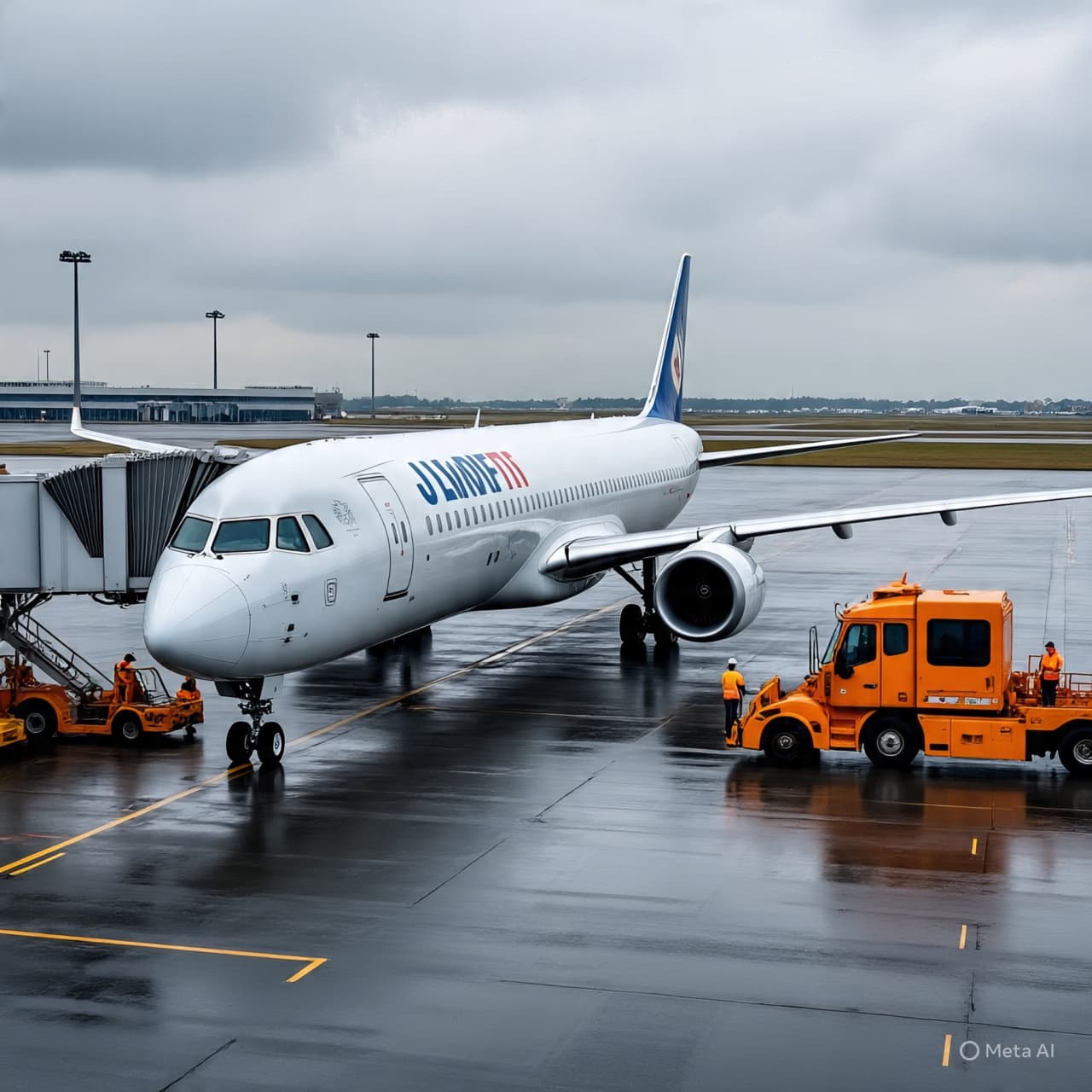
At airports, movement is a language of its own. Runways shimmer in the morning light, baggage carts hum across the tarmac, and aircraft rise and fall in quiet arcs that connect distant coasts and cities. For travelers, these patterns often feel permanent — a daily rhythm of departures and arrivals threading the Pacific together.
Yet sometimes the system pauses.
In New Zealand, that pause has begun to ripple through schedules and terminals as Air New Zealand announced it would cancel around 1,100 flights in the weeks ahead, responding to a fuel supply disruption that has unsettled the country’s aviation network.
The challenge traces back to the nation’s fuel infrastructure rather than the skies themselves. A shortage of jet fuel, caused by logistical and supply constraints affecting aviation fuel distribution, has forced airlines to reassess how much fuel can reliably reach major airports. With limited supply available, carriers must make difficult decisions about which services can continue and which must be temporarily removed from schedules.
For Air New Zealand, the impact will be felt most strongly across domestic routes and shorter regional flights. These journeys — often linking smaller communities to the country’s main urban centers — make up a large share of the airline’s daily operations. Reducing them helps conserve fuel for essential long-haul and international services that require larger volumes and longer planning cycles.
Passengers are already beginning to see the consequences ripple outward. Travel plans are shifting, itineraries are being rewritten, and airline staff are working through the steady task of rebooking customers or offering refunds where necessary. For some travelers, the changes mean a delayed meeting or a postponed holiday; for others in remote regions, they may temporarily narrow access to the country’s primary transport network.
Behind the scenes, aviation authorities and fuel suppliers are coordinating efforts to stabilize the situation. The goal is straightforward but complex: restore consistent jet fuel deliveries while ensuring that the country’s busiest airports can maintain safe operating reserves.
New Zealand’s geography makes such disruptions especially visible. Surrounded by ocean and dependent on a relatively small number of fuel distribution systems, the country’s aviation sector relies on infrastructure that must operate smoothly across long supply chains. When one part falters, the effects travel quickly through the system.
Air New Zealand has indicated that it hopes the cancellations will be temporary, lasting only as long as necessary to manage the constrained fuel supply. In the meantime, the airline has encouraged passengers to monitor updates to their bookings as schedules continue to adjust.
At airports across the country, the daily choreography continues — aircraft taxiing, ground crews moving deliberately between gates, travelers watching departure boards flicker with changing times.
But for a while, there will be fewer flights lifting into the wind, and the quiet spaces between them will carry a reminder of how even the vast networks of modern travel remain tied to the practical flow of fuel beneath the wings.
Published by Banx Network. This article is part of the Banx decentralized media programme, powered by the BXE token on the XRP Ledger.