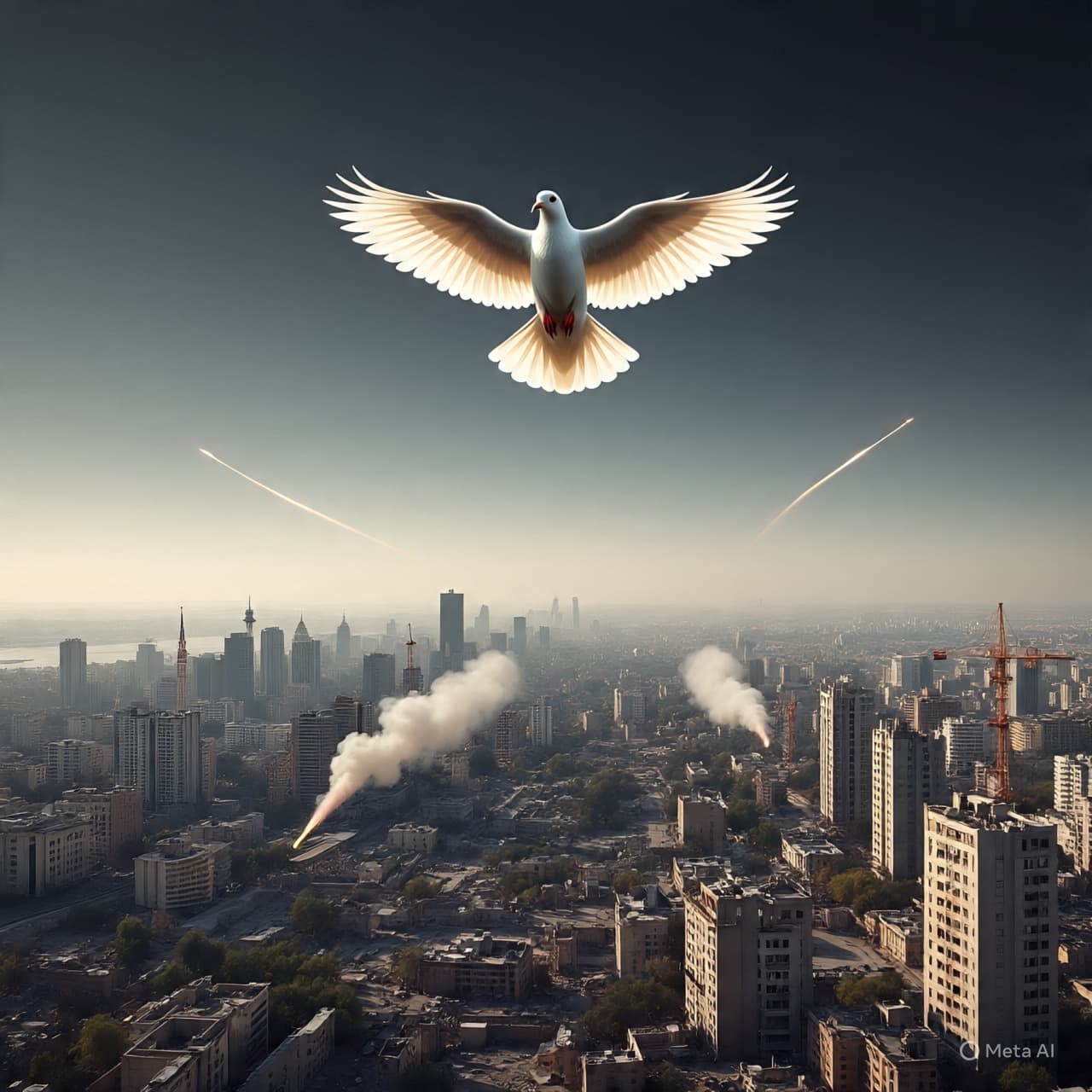
In the cold silence of a western Ukrainian night, Ternopil was pierced by a sudden storm of fire and falling metal — two residential towers struck, lives lost, families torn apart. The city, long considered a refuge from the fiercest fighting, was transformed in an instant into a scene of horror and grief. As smoke curled into the sky, so too did a renewed urgency: even as rockets shattered windows, another kind of engagement was underway, far from the rubble, in Ankara.
The attack came after a massive barrage — Ukraine reported that Russia launched 476 drones along with 48 missiles, targeting not only transport and energy infrastructure but homes where ordinary people sleep, dream, and live. At least 25 lives were claimed in Ternopil, including three children, and dozens more were injured. Interior officials described the scene with grim clarity: many victims were trapped, while fires licked the upper floors of the buildings.
The ferocity of the strike felt like a cruel contradiction: on one side, an assault meant to terrify, to devastate; on the other, a Ukrainian leader traveling to Turkey in search of peace. President Volodymyr Zelenskyy landed in Ankara to meet with Turkish President Recep Tayyip Erdogan, framing his visit around the idea of a “just peace.” In his remarks, Zelenskyy did not mince words: he argued that such a brazen attack on “ordinary life” proves that international pressure on Russia remains too weak.
Yet the diplomacy underway in Ankara feels delicate, even fragile. Turkey, which maintains relationships with both Moscow and Kyiv, occupies a tricky role — and Zelensky leaned into that, expressing hope in Turkish mediation. Meanwhile, harsh new U.S. sanctions on Russia’s oil sector are scheduled to take effect, a strategic maneuver meant to push Putin back to the negotiating table.
As rescue teams in Ternopil scraped through rubble, hoping to pull survivors free, the world watched another kind of rescue operation: one of words, diplomacy, and promises. The Ukrainian president’s appeal was clear — more than just condemnation, he asked for concrete pressure, sustained support, and a path toward peace rather than perpetual retaliation.
Despite the flames, despite the grief, the meeting in Turkey signals that Ukraine is holding onto hope: that even in the darkest of nights, dialogue may yet reflect a chance for dawn. If Ankara can channel its influence, if Western powers sustain their resolve, perhaps this tragedy will not only be counted in lives lost, but in renewed commitment to end a war so devastating.
In the fragile calm after such violence, Zelensky and Erdogan spoke of “maximum capabilities” — their words an echo against the backdrop of destruction. Whether this gathering becomes a turning point or just another moment in a long war remains uncertain. But for Ukrainians in Ternopil, the cost of inaction feels far too high.
AI Image Disclaimer “Visuals are created with AI tools and are not real photographs.”
Sources Associated Press Reuters The Washington Post ABC News Los Angeles Times
Published by Banx Network. This article is part of the Banx decentralized media programme, powered by the BXE token on the XRP Ledger.