The streets of the capital possess a particular stillness, a weight that is felt rather than heard. It is a city of layers, where the histories of grand buildings and public spaces overlap with the small, often unseen tragedies of daily life. When a sudden, violent event tears through the fabric of an ordinary day, the dissonance is profound. The rhythm of the metro, the flow of traffic, and the quiet routines of the neighborhoods are momentarily suspended, leaving behind a vacuum that seems to pulse with the energy of what has just transpired.
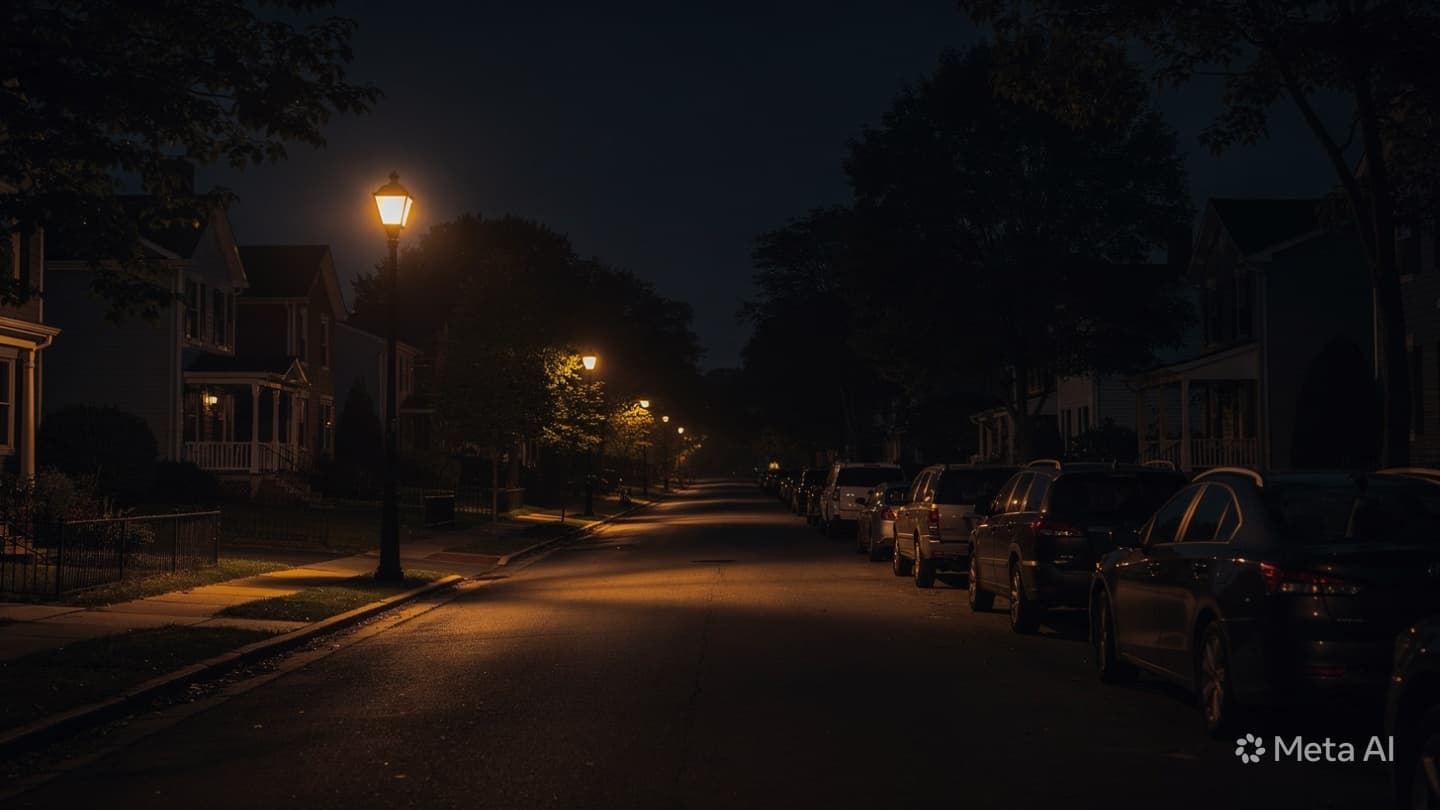
In the aftermath, the scene becomes a study in contrast: the frantic urgency of sirens and the heavy, lingering silence that follows the departure of emergency vehicles. The cordoned-off streets, illuminated by the flickering blues and reds of police lights, take on a surreal quality. It is a landscape transformed, where the familiar corners and intersections of the district feel suddenly foreign, marked by the gravity of an investigation that will determine the contours of the narrative for days to come. The neighborhood, once a collection of known paths, becomes a site of inquiry.
The investigation itself is a methodical, almost ritualistic process. Investigators move with a deliberate pace, their focus narrowed to the minutiae: the placement of a shell casing, the angle of a shadow, the timeline reconstructed from fragmented witness reports. It is the work of finding order in chaos, a process that relies on the objective collection of facts to anchor the emotional upheaval of the event. For the residents, the sight of authorities is both a comfort and a reminder of the fragility that has intruded upon their lives.
Language, in these moments, becomes a carefully curated instrument. Official statements are phrased to convey transparency while preserving the integrity of an ongoing process, a dance between the public’s need for clarity and the legal requirements of justice. Yet, between the lines of these announcements, one can feel the deeper human impact. The victims, their families, and the wider community are left to grapple with the aftermath, a process that rarely aligns with the clinical speed of the official record.
Reflecting on such incidents, one is struck by the interconnectedness of our urban environments. The violence of a single moment does not stay contained; it radiates outward, touching those who were nowhere near the scene, altering the collective sense of security and trust. The district, through its resilience, will absorb the shock, reweaving its daily patterns and eventually finding a new equilibrium. But the memory of the event remains, a faint scar on the urban consciousness, a reminder of the volatility that coexists with the stability of our institutions.
There is a quiet, contemplative dignity in the way a city recovers. Neighbors checking in on neighbors, the subtle changes in how people move through familiar spaces, and the quiet conversations that take place in the shadow of the police tape—these are the small acts of solidarity that define the human response to tragedy. It is in this collective reaching out that the true recovery begins, a slow, organic process that transcends the headlines and the formal inquiries.
As the investigation concludes and the scene is cleared, the physical evidence vanishes, but the psychological mark persists. We are left to consider the nature of public safety and the ongoing efforts to reconcile the demands of a modern city with the unpredictable impulses of the human spirit. The balance is delicate, sustained by the efforts of those who work to maintain order, and by the trust of a community that continues to navigate its streets despite the recurring reminders of our shared vulnerability.
Ultimately, the city endures. It is a testament to the persistence of life that the routines resume, the streets reclaim their vitality, and the focus shifts to the future. Yet, these moments of rupture force us to pause, to look closer at the spaces we inhabit and the people we share them with. It is an invitation to acknowledge the inherent fragility of our peace, and perhaps, to find a greater sense of connection in the face of the unexpected. The district continues, weathered but unbroken, moving toward the next dawn with the quiet resilience that has come to define its character.
The Metropolitan Police Department is currently conducting an investigation into a fatal shooting that occurred within the District of Columbia. Details regarding the victim, the circumstances leading up to the incident, and the status of any potential suspects have not been finalized as the inquiry remains active. Law enforcement officials have cordoned off the affected area to facilitate the collection of forensic evidence and to interview potential witnesses. The department is requesting that anyone with information regarding the incident come forward to assist in the resolution of the case. Further updates will be provided as the investigation progresses and findings are verified.
Published by Banx Network. This article is part of the Banx decentralized media programme, powered by the BXE token on the XRP Ledger.