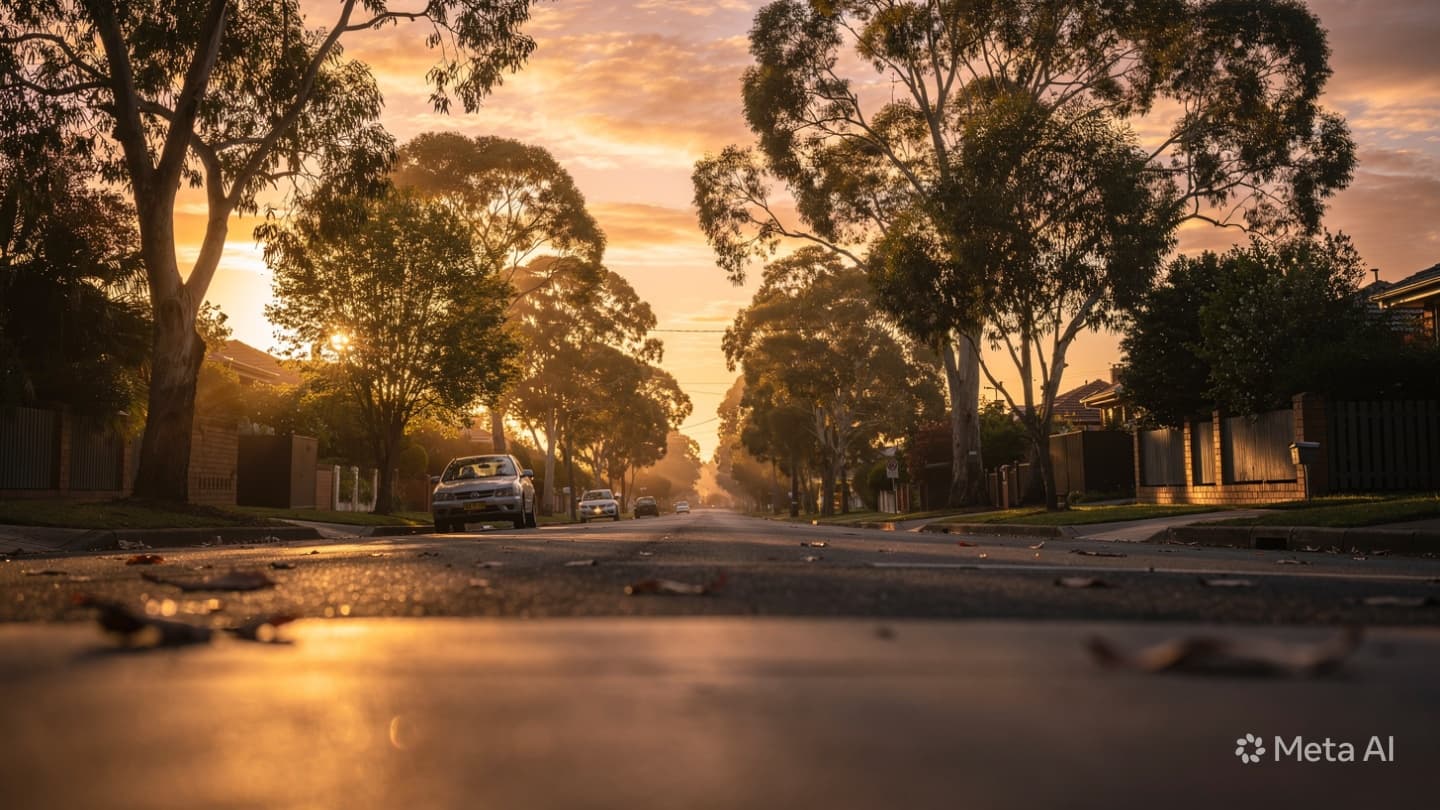
The evening air in Padstow held a quiet stillness, the kind that often masks the sudden fractures of ordinary time. Streets are rarely just stretches of asphalt; they are the veins of a neighborhood, carrying the pulse of daily life—the hurried commute, the evening walk, the neighborly nod. Yet, in a singular, jarring instant, the familiar rhythm of Shirley Road was irrevocably altered. When the trajectory of a vehicle meets the fragile reality of a human life, the aftermath lingers long after the emergency lights have dimmed and the scene has been cleared, leaving behind a profound, hollow silence where movement once was.
It was into this fragile intersection of fate and mechanical velocity that an eighty-three-year-old man stepped on Thursday evening. The report speaks of a Honda hatchback, a routine machine, suddenly transformed into the instrument of an unthinkable tragedy. As the sun dipped low, casting the long, distorted shadows that define the closing of a day, the mechanics of everyday traffic collapsed. The presence of emergency responders—the sirens slicing through the quiet, the methodical work of Fire and Rescue NSW, and the frantic urgency of paramedics—marked the transition from a standard evening to a moment of collective grief.
For those watching from their windows or passing by in the blur of headlights, the scene was one of impossible complexity. An elderly life, one presumably built upon decades of routine and quiet familiarity, was caught beneath the weight of a common errand. Beside him, an eighty-one-year-old woman endured the same sudden upheaval, her own path interrupted by the same physical force. The swift, clinical actions of the responders could not undo the geometry of the impact, nor could they immediately soothe the shock radiating through the local community.
Hospital corridors often become the final threshold for such stories, where hope is weighed against the stark reality of biological fragility. The victim was transported to Liverpool Hospital, his condition critical, a label that fails to capture the weight of a life hanging in the balance. Meanwhile, the seventy-one-year-old driver was subjected to the necessary, cold machinery of legal and medical scrutiny. Such processes, while essential for the administration of justice, often feel secondary to the profound absence now felt by those who knew the man who did not survive.
News arrived on Saturday that the man had passed, a conclusion that ripples outward, touching friends, family, and perhaps even the strangers who happened upon the scene. Death in these circumstances acts as a mirror, forcing a reflection on the sheer unpredictability of our movements through shared spaces. It asks us to consider how quickly the fabric of our day-to-day existence can tear, and how little control we truly hold when we step out onto the pavement. The street, once a backdrop for mundane activity, becomes a site of permanent remembrance.
Investigations are currently underway, with specialists from the Crash Investigation Unit peeling back the layers of the incident. They will measure skid marks, analyze the angle of impact, and review the fading light of that Thursday evening, seeking to understand the "why" of it all. Yet, for all the precision of their reports, the fundamental loss remains untouched. No finding can restore the rhythm of an afternoon walk; no conclusion can mend the abrupt cessation of a life. The road remains, but its character has been darkened by the stain of what occurred.
The surviving woman remains in the hospital in a stable condition, a small tether to the normalcy that existed just moments before the crash. Her path toward recovery will be long, perhaps haunted by the memory of the same event that took her companion. The community, meanwhile, is left to process the loss, turning to the cold comfort of police appeals for information. It is a ritual of suburban life—the plea for witnesses, the gathering of fragmented accounts, the hope that some clarity might emerge from the fog of the incident.
As the authorities continue to piece together the narrative for the coroner, the broader world moves on, indifferent to the quiet tragedy in Padstow. But for a neighborhood, the memory of that evening persists. It is a reminder of the fragility that defines us, a testament to how the mundane acts of living—walking, driving, arriving—are always balanced against the possibility of the unexpected. The silence on Shirley Road is not merely the absence of sound, but the heavy, lingering weight of a life suddenly set apart from time.
Published by Banx Network. This article is part of the Banx decentralized media programme, powered by the BXE token on the XRP Ledger.