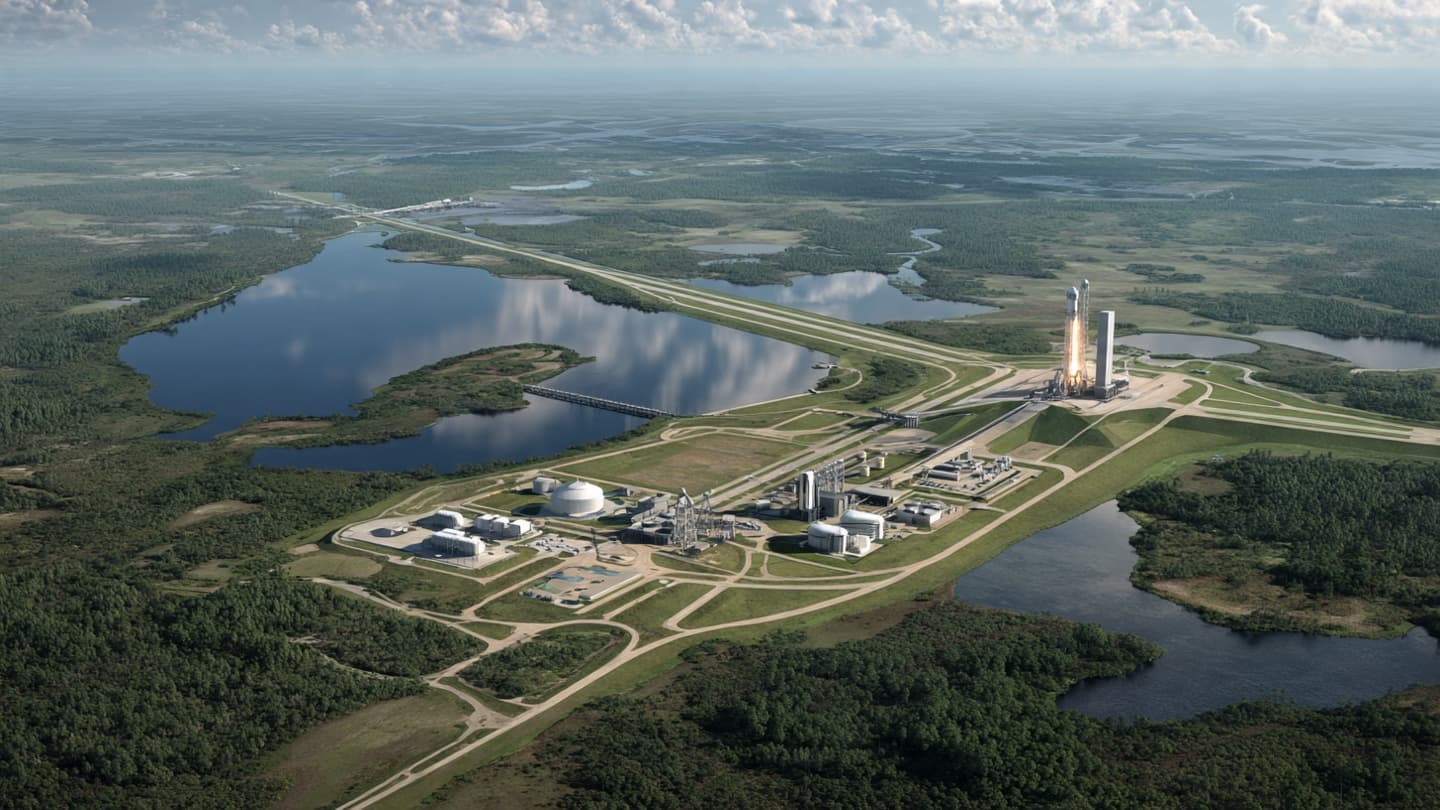
At a spaceport, the eye naturally travels upward. Towers rise against the sky, rockets stand vertically on enormous platforms, and the machinery of launch seems designed to leave the ground behind. Yet beneath that dramatic image lies a much more ordinary world of electricity, fuel, pipelines and industrial supply.
For SpaceX, that ground-level infrastructure is becoming increasingly important. The company has been expanding its activities beyond spacecraft and launch vehicles into the systems that supply the energy required to operate them. Recent reporting has highlighted SpaceX’s recruitment of a natural-gas trader as part of that growing energy strategy.
The development comes as the company continues to invest heavily across its businesses. SpaceX has been directing enormous amounts of capital toward satellites, artificial intelligence and launch infrastructure, creating an increasingly complex industrial system beneath its better-known space ambitions.
The numbers give a sense of the physical scale behind that expansion. Every new launch facility, satellite system or computing operation requires buildings, equipment, power and transportation. Technology may be the visible destination, but energy remains one of the roads required to reach it.
SpaceX has also been developing infrastructure directly related to natural gas. Reuters reported earlier this year that the company planned an eight-mile pipeline in Texas, known as Starpipe, intended to supply natural gas to facilities supporting its Starship program. The project reflects the increasing importance of energy availability to the company’s launch plans.
Natural-gas trading adds another dimension. Rather than treating energy simply as a utility purchased when needed, a dedicated trading operation can monitor prices, supply, transportation and market conditions. The decision suggests that energy procurement is becoming sufficiently significant to merit specialized attention within the company’s broader infrastructure planning.
The setting is notable as well. Cape Canaveral, Florida, has been associated with American spaceflight for generations, yet its launch facilities exist within a much wider industrial ecosystem. Roads, power networks, fuel systems, ports and storage facilities all form part of the landscape that makes a launch possible.
The connection between energy and aerospace is hardly new, but SpaceX’s scale gives it a distinctive character. As launch activity grows and other technology businesses expand alongside the company’s traditional rocket operations, the amount of physical infrastructure required to support that growth also becomes larger.
The natural-gas role therefore fits into a broader picture of SpaceX becoming increasingly involved in the infrastructure surrounding its own expansion. The rocket remains the most visible symbol, but behind it are pipelines, power systems and markets that operate on the ground.
SpaceX’s expanding energy activities come as the company manages substantial investment across satellites, artificial intelligence and launch infrastructure. The latest developments indicate that energy procurement is becoming another important part of that equation, connecting the company’s ambitions in space with the physical resources needed to support them on Earth.
AI Image Disclaimer AI-generated imagery accompanies this article as a conceptual visualization and does not depict real photographic scenes.
Sources Reuters The Business Times
Published by Banx Network. This article is part of the Banx decentralized media programme, powered by the BXE token on the XRP Ledger.