A pale light rises over the gentle slopes of Warsaw’s outskirts, where morning traffic hums with the familiar rhythms of daily life. In that flow of motion, cars of every make and color weave across asphalt, carrying commuters, supplies, and echoes of journeys begun before sunrise. Yet in a quieter corner of the nation’s consciousness, a new motion has taken shape — one not of wheels and highways, but of guarded thresholds and measured pause. In recent days, the Polish army has enacted a directive that bars Chinese‑made vehicles from entering military sites, an unusual refrain in the midst of ordinary transit, shaped by concerns that the very technology embedded in modern cars might carry unseen shadows of risk.
This decision comes from a reflection on how the quiet integration of sensors, cameras, and digital networks has transformed the automobile into more than mere transport. No longer simply machines of metal and motion, today’s cars are nodes in a vast web of connectivity — capable of recording location, video, sound, and a host of subtle signals as they move. Within the context of civilian streets, this data collection blends into the tapestry of urban life; behind the guarded gates of military facilities, it becomes a different concern. Officials in Warsaw have gently framed their ban as a preventive step, aimed at safeguarding sensitive information and aligning with practices other allies have adopted in the name of infrastructure protection.
The measure is not absolute. Polish authorities have clarified that vehicles ordinarily allowed onto base grounds may still be permitted if certain monitoring functions are disabled or appropriate safeguards are put in place, a reminder that the intention is not to isolate but to calibrate risk with care. Similarly, the restrictions do not extend to publicly accessible military locations like hospitals or garrison clubs, preserving the bridge between community life and the nation’s defense institutions even as access to core facilities remains guarded.
In the hushed corridors of decision‑making, there is also the simple acknowledgment that the presence of Chinese brands on Polish roads has been rising steadily. In recent years, models from Chinese manufacturers have accounted for a growing share of new registrations, a trend reflected in both hybrid and electric vehicles that appeal to everyday drivers for their affordability and innovation. Yet where that openness to choice once seemed a matter of consumer preference, it now intersects with questions of trust, alliance, and the unseen flows of digital information that accompany every sensor‑driven turn and automated signal.
The broader context of this choice reflects a quieter dialogue among NATO partners and other Western countries, each weighing how to balance the promise of technological progress with the imperatives of security. In guarding thresholds where decisions of national defense take shape, Poland’s steps echo a growing awareness of how deeply technology has woven itself into the fabric of everyday objects — and how the contours of that weave matter most in places where information and sovereignty intersect.
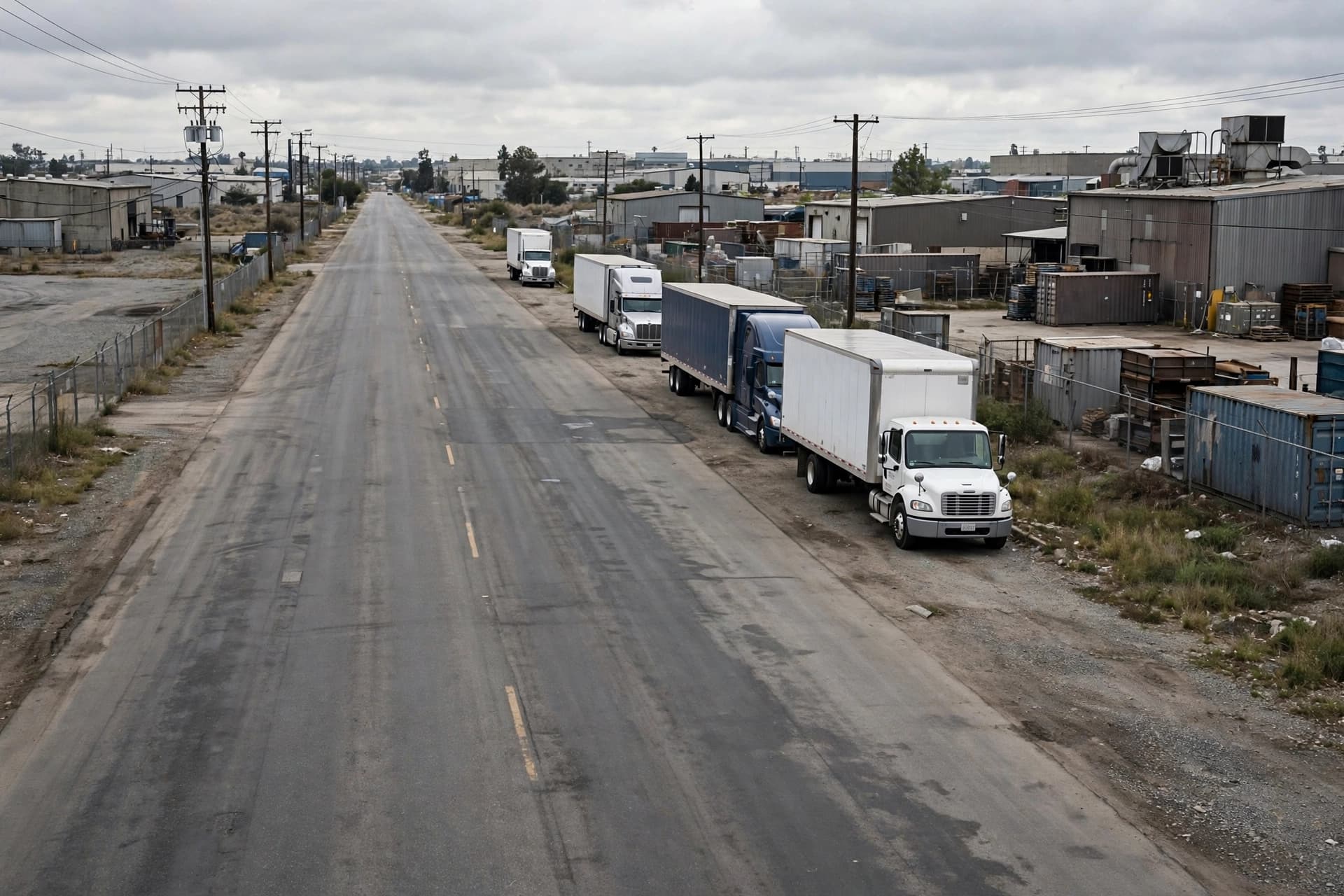
In Warsaw’s early light, the sight of idle vehicles at the gates is a small, still moment amid the larger movement of life. It is a reminder that vigilance does not always roar; sometimes it waits quietly at the boundary between road and refuge, reflecting not only on the what of motion, but the unseen how of the paths we choose.
Published by Banx Network. This article is part of the Banx decentralized media programme, powered by the BXE token on the XRP Ledger.