
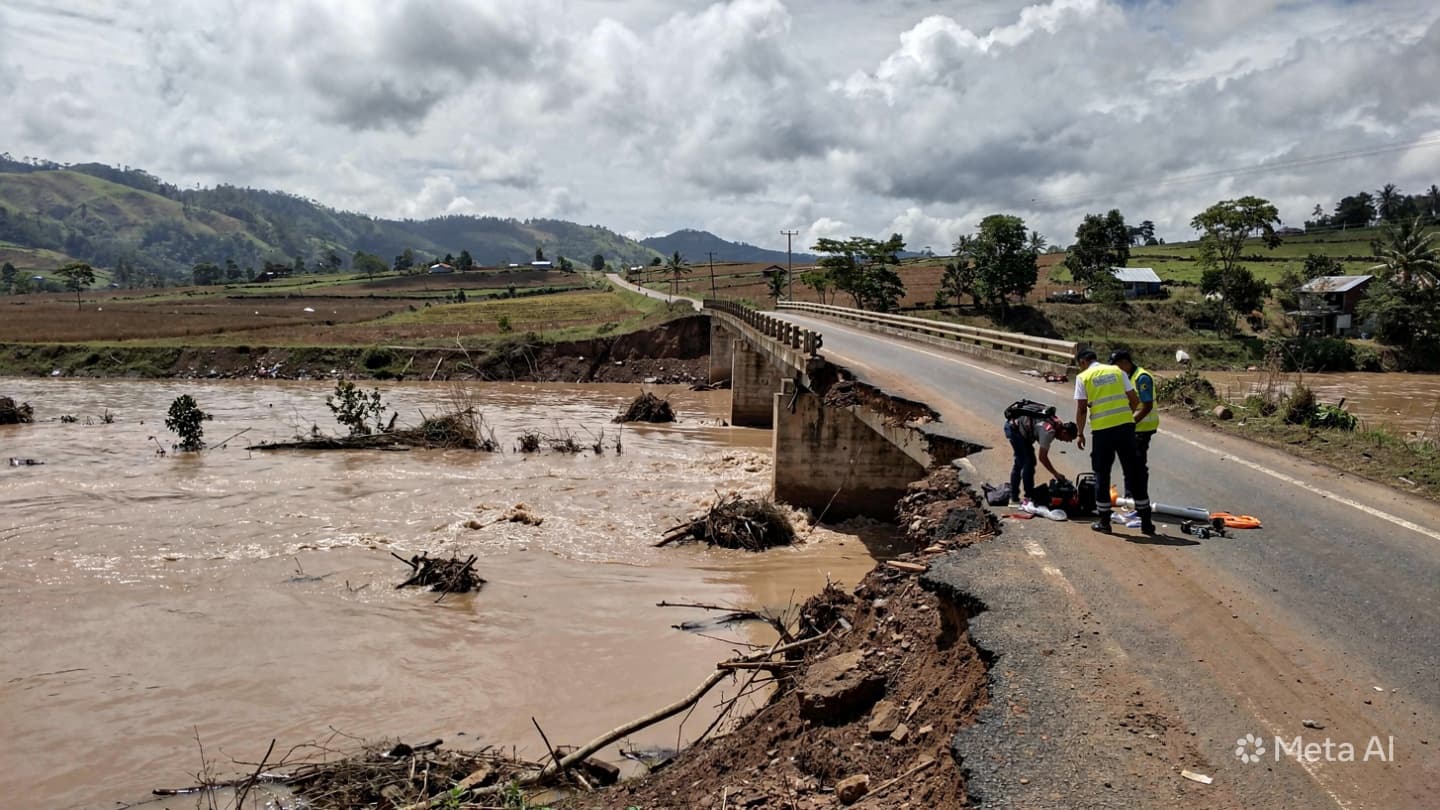
Key Highlights
- Severe flooding in Covalima Municipality has resulted in two fatalities.
- Infrastructure damage has disrupted transportation and local economies.
- Emergency responders are actively assessing needs and providing assistance.
The rain arrived with the persistence often known across tropical landscapes, beginning as a steady presence before gathering enough strength to transform familiar surroundings. In Timor-Leste’s Covalima Municipality, that transformation unfolded rapidly as floodwaters spread through vulnerable areas, leading to a crisis that has deeply affected local communities.
Communities accustomed to seasonal weather changes found themselves facing far more difficult conditions when rising waters moved across roads, homes, and public spaces. What had been ordinary routes for daily travel soon became difficult or impossible to navigate, isolating residents and complicating emergency response efforts.
According to reports from local humanitarian responders, severe flooding affected multiple areas within the municipality. The event resulted in the tragic loss of two lives, turning what began as a weather emergency into a tragedy felt throughout surrounding communities. The emotional toll on families and friends of the victims is profound, as the community grapples with the aftermath of this disaster.
Floodwaters damaged infrastructure and disrupted transportation networks that connect villages and support local economic activity. Roads became submerged, limiting movement for residents and complicating response efforts during critical hours. The flooding has not only impacted daily life but has also raised concerns about the long-term viability of local businesses and agricultural practices.
Emergency personnel and community volunteers worked tirelessly to assess conditions and identify areas requiring immediate assistance. Their efforts focused on supporting affected families, monitoring risks, and helping communities respond to rapidly changing circumstances. The collaboration between local authorities and humanitarian organizations has been crucial in addressing the immediate needs of those impacted by the flooding.
For many residents, the flooding represented more than a temporary disruption. Homes, personal belongings, agricultural areas, and essential services faced varying levels of impact as water remained present across affected locations. The psychological impact of such disasters can linger long after the waters recede, as families confront the loss of property and the challenge of rebuilding their lives.
The event also highlighted the ongoing challenges faced by communities living in regions vulnerable to heavy rainfall. Local geography, seasonal weather patterns, and infrastructure limitations can combine to increase risks when storms intensify unexpectedly. As climate change continues to influence weather patterns, the need for improved infrastructure and disaster preparedness becomes increasingly urgent.
As waters gradually recede, attention has shifted toward recovery and damage assessment. Authorities and humanitarian organizations continue monitoring affected areas while evaluating immediate and longer-term needs. Recovery operations are underway, focusing on restoring essential services and supporting the rebuilding of homes and infrastructure.
Officials and relief groups remain engaged in response efforts across Covalima Municipality. Recovery operations continue following the severe flooding, while communities begin the difficult process of rebuilding after a disaster that claimed two lives and disrupted daily life across the region. The resilience of the Covalima community will be tested in the coming weeks and months as they work to recover from this devastating event.
Published by Banx Network. This article is part of the Banx decentralized media programme, powered by the BXE token on the XRP Ledger.



