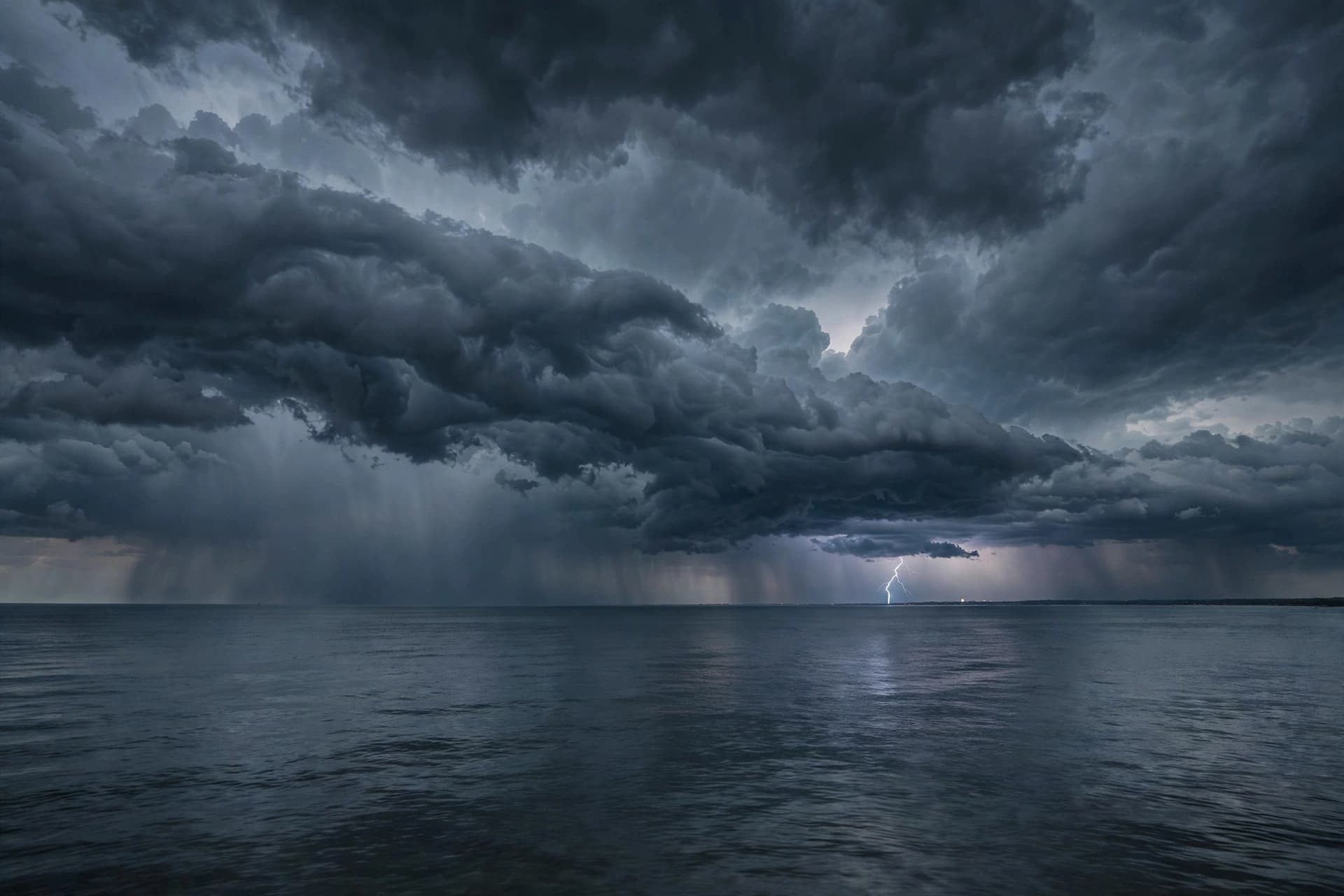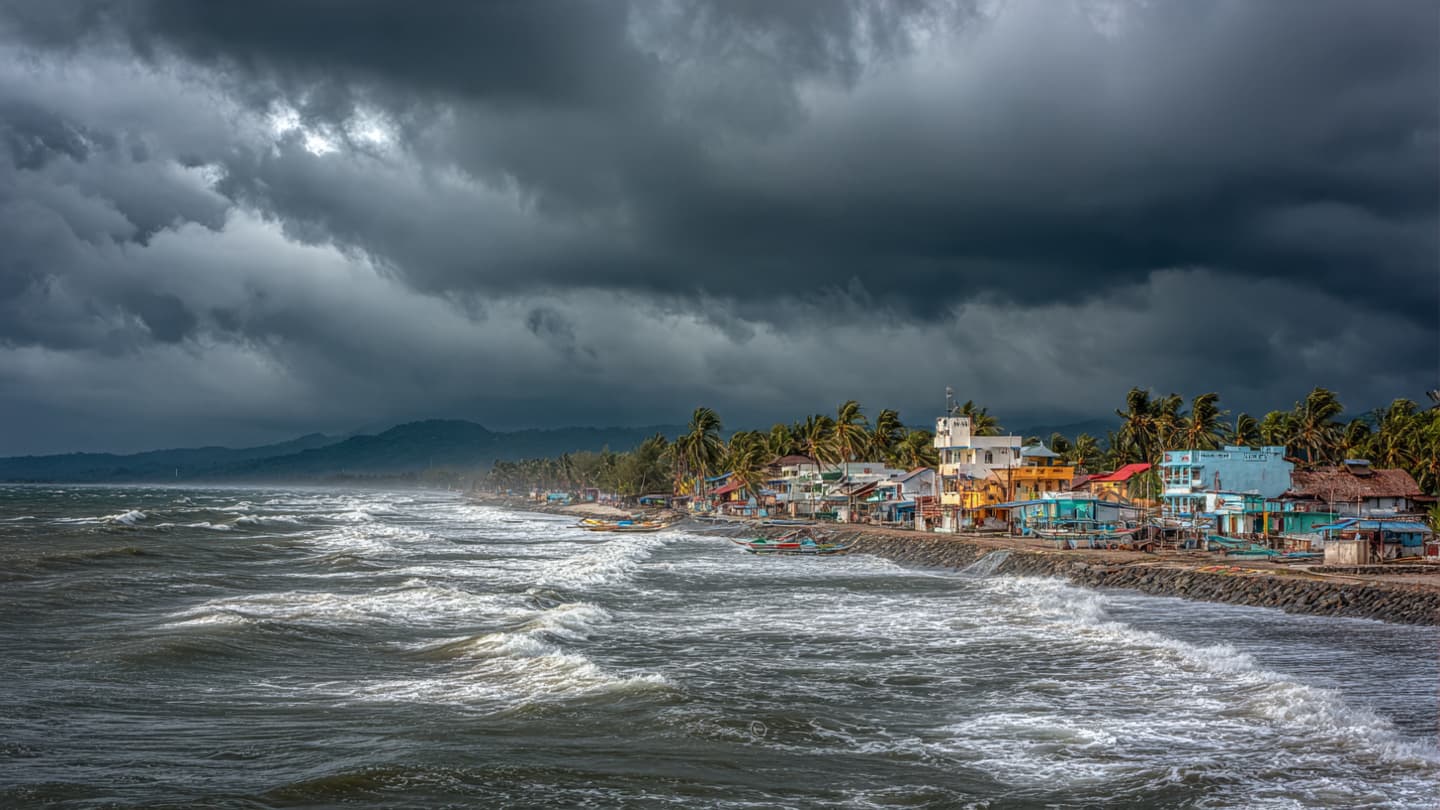
Along the eastern shoreline of the Philippines, fishing boats rested unusually still against the docks as dark clouds gathered farther offshore. The sea, often central to the rhythm of daily life in coastal towns, appeared unsettled beneath thickening skies. Residents moved through preparations quietly, carrying plywood sheets, securing rooftops, and watching the horizon with practiced caution.
Authorities warned that strong winds and possible storm surges threatened several coastal communities as a developing weather system approached the eastern Philippines. Disaster response agencies urged residents living in vulnerable shoreline areas to evacuate or prepare emergency supplies ahead of worsening conditions expected overnight.
Local officials suspended some maritime activities while emergency teams positioned rescue equipment and relief supplies across high-risk provinces. Schools and public buildings were converted into temporary evacuation centers as families from low-lying coastal zones arrived carrying bags, blankets, and food supplies.
Residents described unusually strong waves striking seawalls throughout the afternoon while rain bands moved steadily inland. In fishing villages, many rushed to secure boats and nets before weather conditions deteriorated further. Authorities also warned that rough seas and rising water levels could place additional communities at risk of flooding.
There is a certain familiarity coastal regions develop with storms, though familiarity rarely removes fear entirely. People memorize evacuation routes the way others memorize landmarks. Children grow up recognizing the sound of emergency sirens before landfall. Homes are repaired repeatedly beside waters that continue returning each season with different names and different winds.
Meteorological agencies forecast continued intensification of the weather system, with heavy rainfall expected to trigger localized flooding and landslides in nearby mountainous areas. Emergency officials advised residents to remain indoors where possible and avoid traveling through flood-prone roads or coastal highways.
Local governments coordinated continuous weather advisories as evacuation efforts expanded in some districts. Medical teams and relief personnel remained on standby while authorities monitored shoreline conditions through the evening hours.
By nightfall, coastal communities across eastern provinces remained under heightened alert as the storm system moved closer to land. Officials urged residents to follow emergency instructions and prepare for rapidly changing weather conditions overnight.
Published by Banx Network. This article is part of the Banx decentralized media programme, powered by the BXE token on the XRP Ledger.