
Key Highlights
- Nauru intensifies emergency preparedness amid climate threats.
- Authorities assess readiness for severe weather and flooding risks.
- Community response includes infrastructure inspections and evacuation plans.
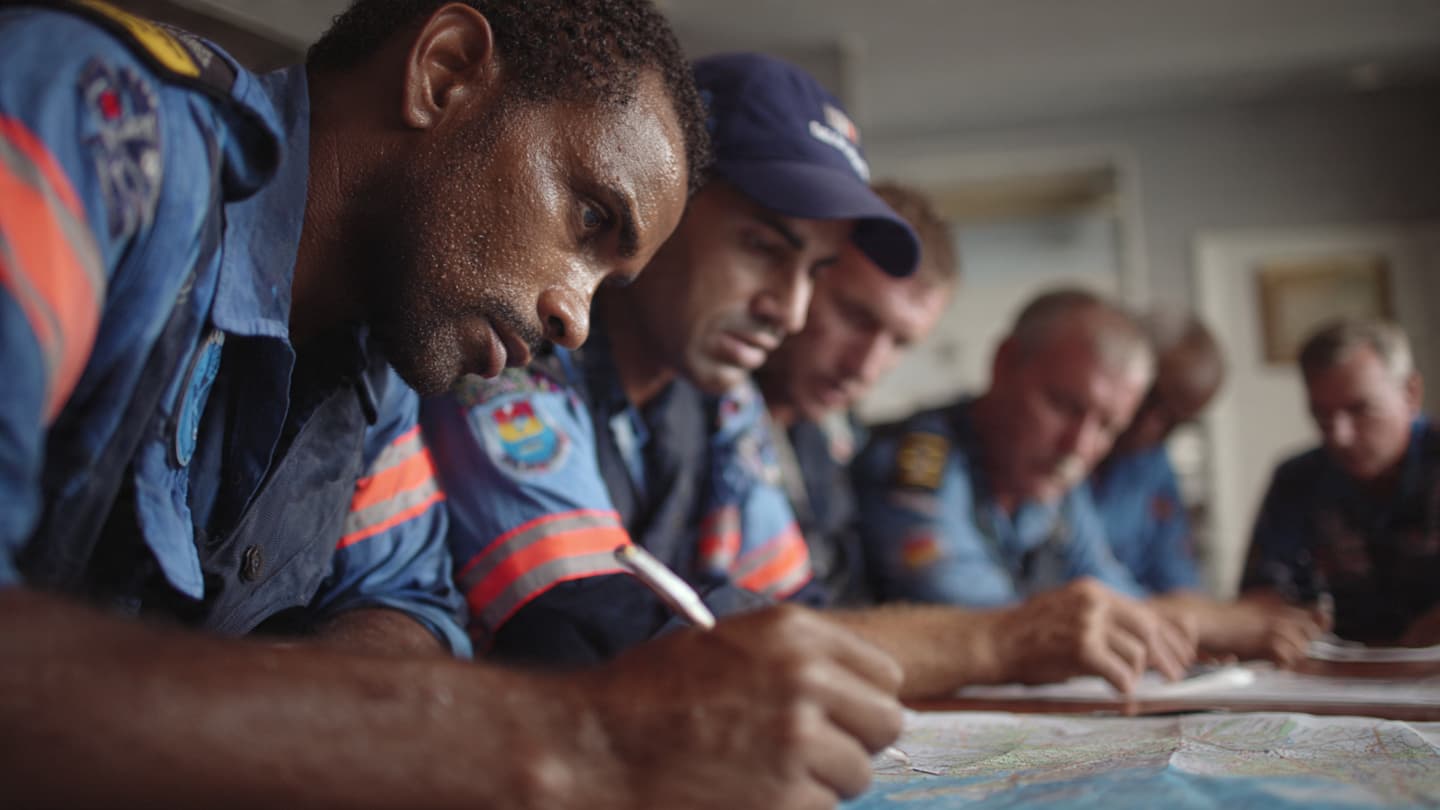
Nauru, a small island nation in the Pacific, is facing increasing climate uncertainty as it prepares for the impacts of rising sea levels and severe weather events. This week, local authorities ramped up their emergency preparedness reviews, focusing on the island's ability to respond to the growing threats posed by climate change. With the Pacific region experiencing more unpredictable weather patterns, Nauru's government agencies, disaster response teams, and infrastructure officials are working diligently to ensure the safety and resilience of their communities.
The reviews have highlighted the need for robust evacuation procedures, effective emergency shelter coordination, and reliable communication systems. These measures are crucial for supporting residents during potential severe weather emergencies, especially as Nauru's geographical limitations mean that many communities are at risk of simultaneous disruption. The island's narrow roads and limited inland areas make it imperative for officials to plan meticulously for any potential evacuations.
Regional environmental agencies have consistently warned that Pacific islands like Nauru are particularly vulnerable to climate-driven weather instability. Rising sea levels, erratic rainfall, and increasingly powerful tropical storms threaten not only the island's infrastructure but also its freshwater resources and housing. Officials monitoring these conditions have noted that even moderate storms can lead to significant humanitarian challenges in areas where resources are already scarce.
As part of the preparedness efforts, local residents have reported a growing atmosphere of readiness. Emergency supply inventories are being reviewed, and local agencies are testing their warning systems to ensure they are effective in the event of a crisis. Inspections of coastal infrastructure and barriers protecting vulnerable shorelines are also underway, as authorities remain vigilant in tracking the evolving weather patterns across the Pacific.
The situation in Nauru reflects a broader international concern regarding the long-term climate resilience of smaller island nations. Aid organizations and regional partners are increasingly emphasizing the importance of sustainable emergency planning and coordinated disaster response systems. These initiatives are vital for supporting isolated communities that face recurring environmental threats, ensuring they are better equipped to handle large-scale weather events.
Despite the looming uncertainties, daily life continues on the island. Fishing boats return to harbor at sunset, and families gather outside their homes, enjoying the cooling evening breeze. This delicate balance between normalcy and vulnerability is a reality for many Pacific nations, where the ocean's unpredictability is becoming a constant backdrop to everyday life.
Authorities have confirmed that the preparedness reviews and environmental monitoring operations will persist in the coming weeks as they adapt to the changing Pacific weather systems. Public advisories and emergency readiness measures will be issued as necessary, ensuring that Nauru remains proactive in safeguarding its communities against the challenges posed by climate change.
Published by Banx Network. This article is part of the Banx decentralized media programme, powered by the BXE token on the XRP Ledger.



