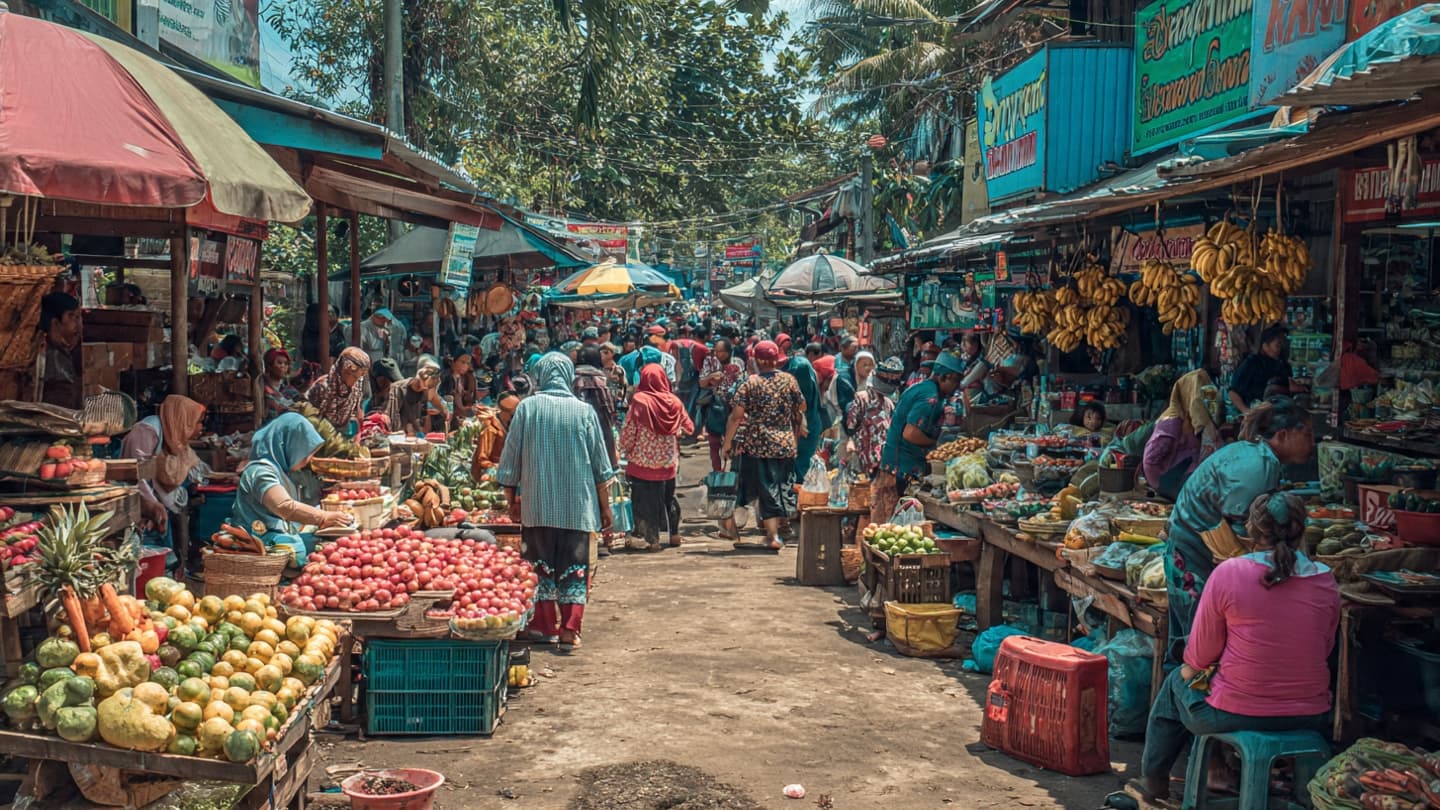
In markets across Indonesia, economic changes are often felt through everyday experiences. The movement of prices, availability of goods, and choices made by consumers reflect a larger national economic picture.
Inflation remains one of the important indicators watched by businesses and households. Changes in prices can influence spending decisions and company strategies.
Several factors contribute to inflation movements, including food costs, energy prices, and global economic conditions. These influences create connections between international trends and local markets.
For businesses, understanding price changes is essential for planning. Companies adjust production costs, pricing strategies, and supply arrangements based on economic conditions.
Consumers experience inflation through daily purchases and household planning. Small changes in prices can influence broader spending patterns.
Economic authorities continue monitoring inflation trends and evaluating conditions affecting the market.
Indonesia’s diverse economy creates different experiences across regions. Urban centers, rural communities, and various industries may feel economic changes in different ways.
The movement of inflation reflects the continuing relationship between global markets and domestic activity.
As economic conditions evolve, businesses and communities continue adapting to maintain stability.
AI Image Disclaimer The visuals are AI-generated conceptual representations and should not be viewed as actual photographs.
SEO Slug indonesia-inflation-economic-market-price-changes
Hashtags #Indonesia #Economy #Inflation #Business #Market
Sources Reuters Bank Indonesia World Bank Bloomberg
Published by Banx Network. This article is part of the Banx decentralized media programme, powered by the BXE token on the XRP Ledger.