
Key Highlights
- Severe storms have caused extensive damage to crops across Zimbabwe.
- Farmers are facing significant losses due to flooding and strong winds.
- Recovery efforts are being coordinated by local authorities and community organizations.
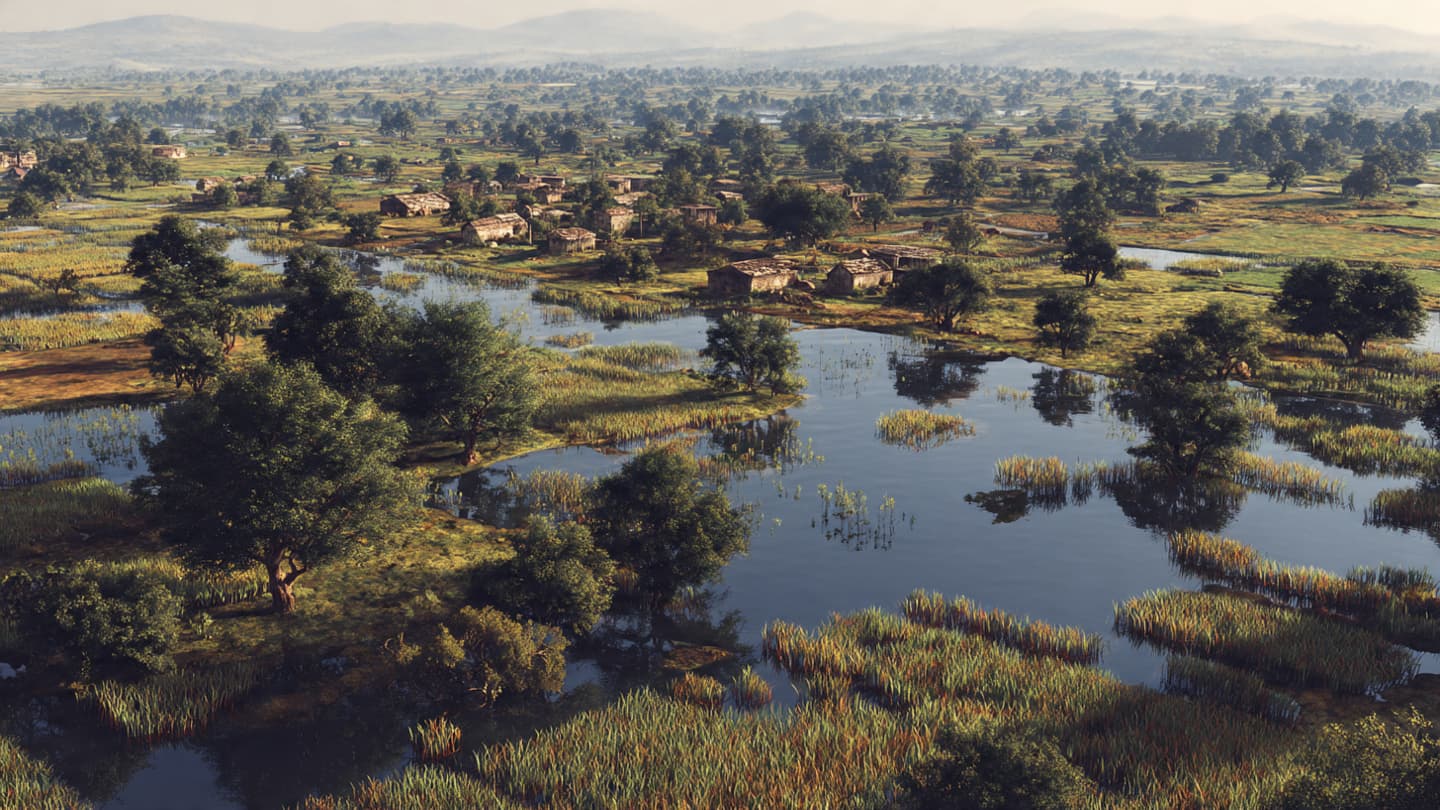
The agricultural landscape of Zimbabwe, often a testament to the resilience of its farmers, has recently been marred by severe storms that wreaked havoc across the nation. The delicate balance of planting, rainfall, and harvest has been disrupted, leaving many communities grappling with the aftermath of heavy rains, flooding, and strong winds that have swept through various regions.
Authorities have reported widespread damage to farmland, with rural districts suffering from crop destruction, compromised irrigation systems, and disrupted transportation networks. The storms have not only affected the immediate agricultural output but have also raised concerns about the long-term viability of food production in these vulnerable areas.
Farmers have shared harrowing accounts of watching their fields succumb to rising waters as relentless rainfall poured down. In many instances, crops that were on the verge of harvest were flattened by powerful winds, compounding the losses for those who rely on these yields for their livelihoods. The situation has been exacerbated by mudslides and flooding that have rendered roads connecting villages to local markets nearly impassable, further isolating affected communities.
Officials have warned that if the adverse weather conditions persist, the agricultural losses could have a significant impact on local food production and rural incomes. Emergency agencies, alongside local authorities, have begun assessing the extent of the damage across the affected farming regions, aiming to provide timely support to those in need.
Zimbabwe's agricultural sector is heavily reliant on seasonal weather patterns, making it particularly susceptible to the whims of nature. In recent years, farmers have faced a series of unstable conditions that have disrupted planting cycles and threatened harvest stability. The current storms are yet another chapter in a challenging narrative for rural communities that depend on the land for their survival.
In addition to the immediate agricultural concerns, authorities have highlighted the potential delays in food deliveries and emergency assistance due to damaged infrastructure and flooded transport routes. Community organizations are stepping in to coordinate temporary relief efforts, providing support to families who have experienced significant crop losses and property damage.
Despite the overwhelming challenges, the spirit of resilience remains strong among Zimbabwe's farmers. Many have been seen inspecting their damaged fields, repairing fences, and attempting to salvage whatever crops they can from the flooded land. Livestock, too, are navigating the treacherous conditions as farmers work tirelessly to mitigate the impact of the storms.
The atmosphere in many agricultural districts is one of exhaustion mixed with determination. Residents are confronting yet another difficult recovery period, aware that the consequences of each storm extend far beyond the visible destruction. As authorities continue to assess the situation, they have confirmed that recovery efforts and agricultural assessments are ongoing, with additional humanitarian support measures being considered for the most severely affected regions.
Published by Banx Network. This article is part of the Banx decentralized media programme, powered by the BXE token on the XRP Ledger.



