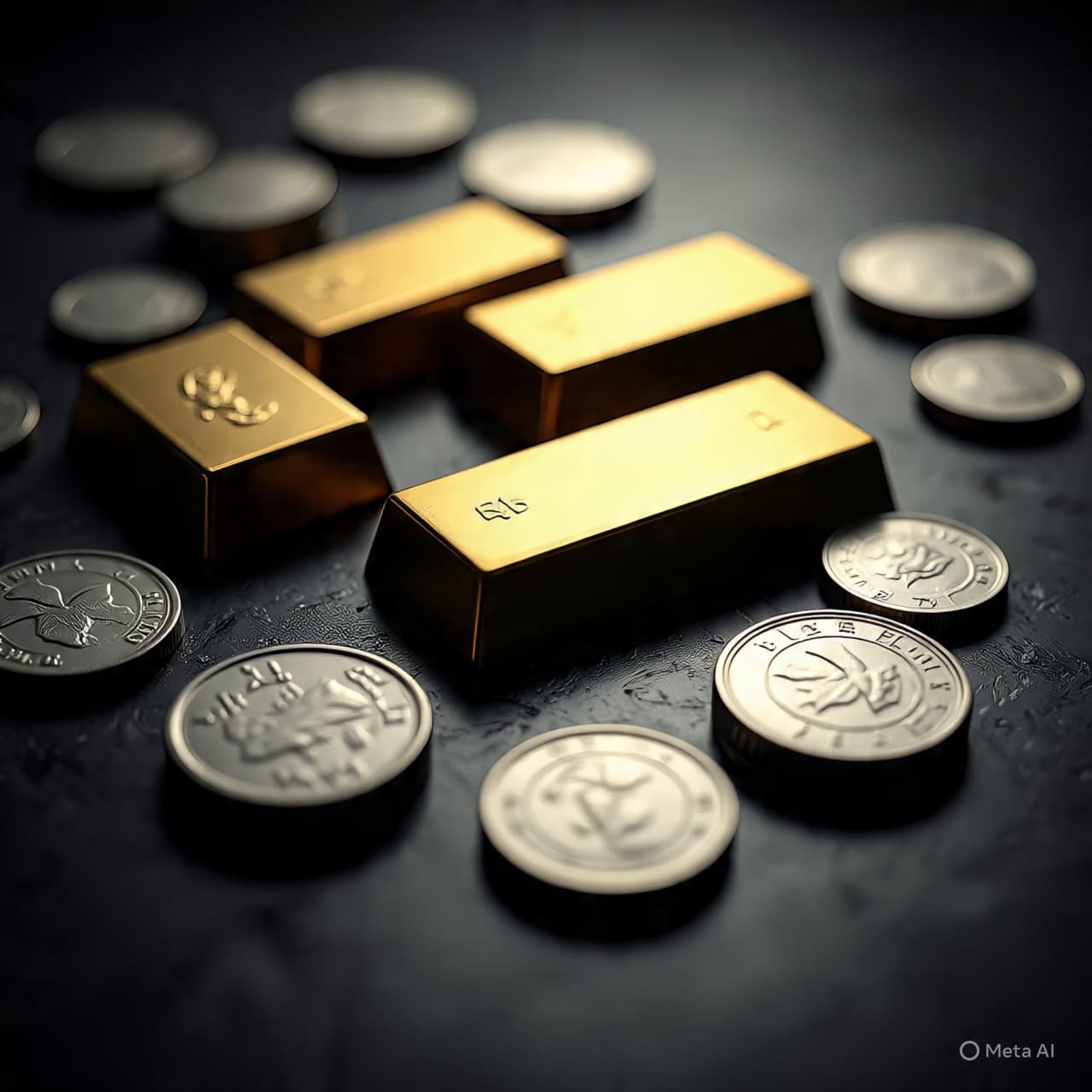
The market does not announce its turns loudly. It shifts first in mood, then in movement — a hesitation here, a surge there — until the numbers finally catch up with the feeling. In recent weeks, gold and silver have moved this way, gliding and stumbling in quick succession, their prices tracing a pattern that feels less like a chart and more like a heartbeat under strain.
For sellers, the rhythm has been difficult to follow. After months of strength that pushed precious metals into rarefied territory, prices began to swing sharply, reacting to signals from central banks, changes in interest rate expectations, and a stronger pull toward cash. What had felt like solid ground became uneven. Gains narrowed. Pullbacks arrived quickly. Decisions that once seemed obvious now require pause.
Gold, long regarded as a refuge, has reminded the market that safety does not mean stillness. As monetary policy remains tight and yields stay elevated, holding the metal has become a more delicate calculation. Each rally has been met with correction, each drop followed by cautious buying, producing a cycle that rewards timing more than conviction. Silver, carrying both investment appeal and industrial demand, has moved even faster, its price climbing and falling with amplified force.
This volatility has prompted quiet warnings to sellers, particularly those responding to short-term movements. Rapid price changes can create the illusion of urgency, encouraging exits that lock in losses or entries that arrive too late. In some markets, authorities and analysts have cautioned against reactive selling, noting that sharp swings often reflect positioning and sentiment rather than shifts in long-term fundamentals.
Beyond trading desks, the impact reaches everyday holders — individuals weighing whether to sell jewelry, coins, or bars amid uncertain signals. The question is no longer simply whether prices are high or low, but whether the moment itself is stable. For many, the answer has been unclear. What was once a straightforward hedge has become a test of patience and restraint.
Still, volatility is not an anomaly in precious metals; it is part of their language. Gold and silver respond not only to economics, but to expectation — to fear, anticipation, and the collective search for certainty in uncertain times. For sellers navigating this terrain, the warning is less about imminent collapse and more about perspective. Markets that rise quickly can fall just as fast, and those that sway demand steadiness from those watching them most closely.
As prices continue their uneven path, the metals remain what they have always been: mirrors of the moment. For sellers, the challenge lies not in predicting the next move, but in resisting the pressure to move with every turn.
AI Image Disclaimer Illustrations were created using AI tools and are conceptual, not real photographs.
Sources (names only) Reuters Bloomberg World Gold Council Financial Times MarketWatch
Published by Banx Network. This article is part of the Banx decentralized media programme, powered by the BXE token on the XRP Ledger.