
Key Highlights
- China is now Germany's largest trading partner, surpassing the U.S. in 2025.
- Total trade between Germany and China reached approximately €251.8 billion.
- Trade with the U.S. declined by about 5 percent compared to the previous year.
In the soft light of early morning on the River Spree, where cranes stand like silent sentinels over docks and the subtle hum of freight whispers through the air, the story of exchange reveals itself in quiet motion. The ebb and flow of cargo ships, laden with goods from distant lands, trace patterns of connection that, over years, become part of a nation’s rhythm of production and consumption. In these rhythms, too, lie hints of change.
This week, Germany’s Federal Statistical Office released its latest figures on foreign trade, revealing a significant shift in international commerce. For the year 2025, China has surpassed the United States as Germany’s most significant trading partner, with the combined total of imports and exports between Berlin and Beijing reaching approximately €251.8 billion — a figure that slightly exceeded the roughly €240 billion recorded with Washington. The increase in trade with China, compared with a modest decline in trade with the U.S., nudged the balance in Beijing’s favor.
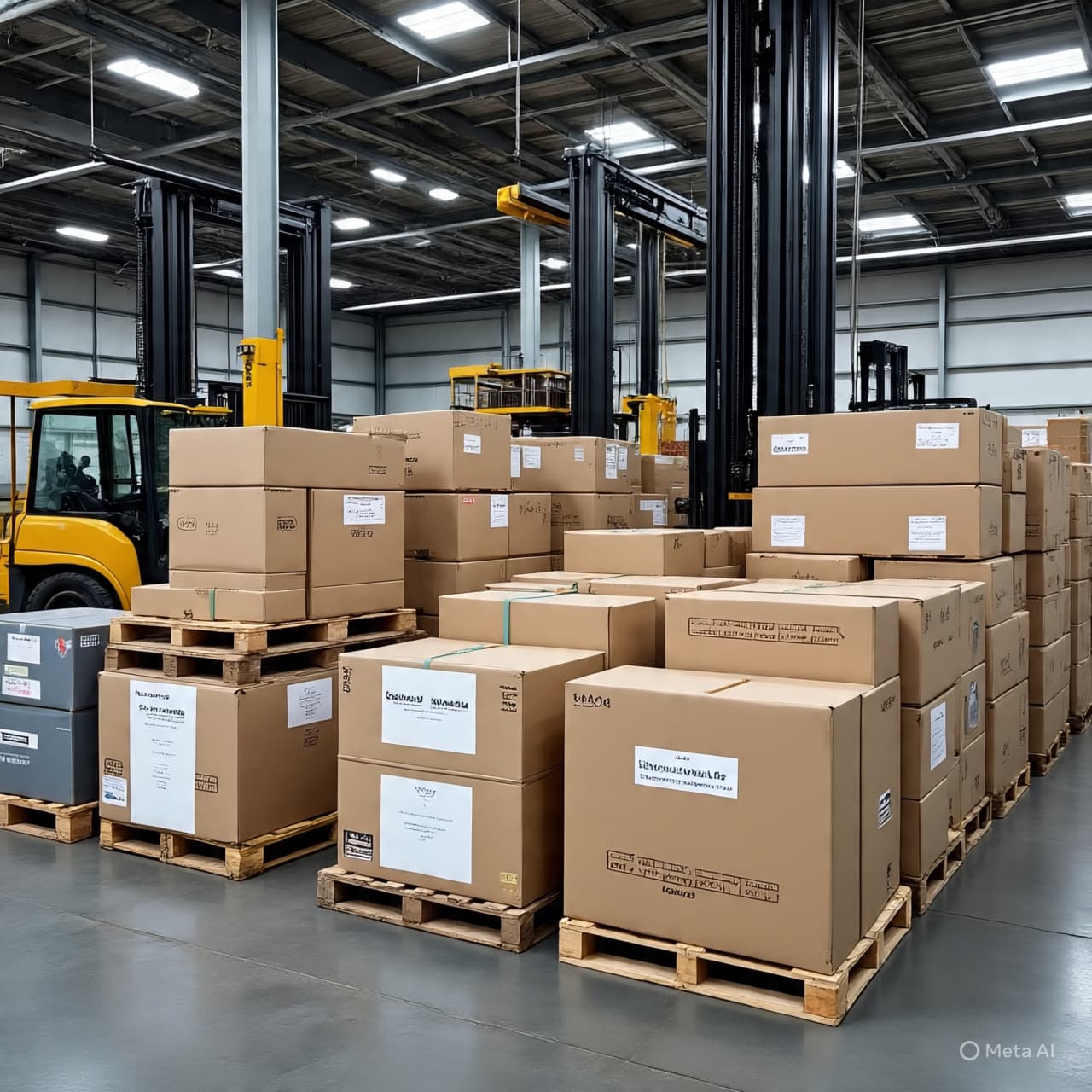
In places like the sprawling logistics hubs west of Hamburg, where crates of electronics, machine parts, and textiles are stacked in long rows awaiting distribution, these numbers are not mere abstractions. They reflect real flows through ports and rails, of demand and supply meeting in transit. German factories send high-precision engineering and automotive components eastward even as a steady stream of manufactured goods and intermediate parts moves westward — testimony to the interwoven nature of modern supply chains.
The broader context of this shift encompasses both economic forces and policy currents. Trade with China grew modestly in 2025, while trade with the United States contracted by about 5 percent compared with the previous year. Analysts and officials alike have pointed to a mix of factors: evolving tariff regimes, competitive pressures, and changing patterns of global demand. In Washington and Berlin alike, business leaders monitor these trends with a mixture of caution and curiosity, aware that each statistic reflects decisions made far beyond the confines of any single capital.
Yet commerce is not only about figures. It is about connections that cross seas and cultures, about contracts signed in boardrooms and conversations held in many languages. Berlin’s leaders, mindful of the new data, have prepared for renewed engagement with Beijing. Chancellor Friedrich Merz was due to make his first official visit to China since taking office, accompanied by business leaders keen to explore opportunities and to address the complexities that accompany deep economic ties. Their agenda, woven with strands of trade, technology, and geopolitical concerns, evokes both the promise and unease that large-scale exchange can bring.
The shift in trading partners also mirrors larger currents in the global economy — the ascent of Asian markets, the enduring strength of European industry, and the pressure of shifting policies in Washington and Brussels. Germany’s broader trade with the European Union remains far larger than its trade with any single country, yet the symbolic prominence of the top bilateral partner resonates beyond statistics. These figures prompt reflection on how interconnected the world’s economies have become, and how tightly woven are the threads that tie producers and consumers across continents.
In plain economic terms, data released by Germany’s Federal Statistical Office show that in 2025 China became the country’s top trading partner, with total trade amounting to around €251.8 billion, surpassing the United States’ €240.5 billion. Germany’s imports from China grew while trade with the U.S. declined modestly, reflecting a shift in the composition of Germany’s foreign trade. Officials have noted the ongoing importance of maintaining diversified trade relations amid evolving global trends.
Published by Banx Network. This article is part of the Banx decentralized media programme, powered by the BXE token on the XRP Ledger.



