
Key Highlights
- Incident:A small aircraft collided with Beijing's CITIC Tower, resulting in one fatality and injuries to thirteen others.
- Response:Emergency services quickly arrived on the scene to manage the aftermath and investigate the incident.
- Airspace Management:The event has raised questions about the safety and regulation of airspace in densely populated urban areas.
On a seemingly ordinary Friday afternoon, Beijing's skyline was disrupted by an extraordinary event when a small aircraft, the Aurora SA60L, collided with the iconic CITIC Tower. This incident transformed a routine flight into a moment of collective shock for the city, as the aircraft's trajectory unexpectedly intersected with one of the capital's most prominent architectural landmarks.
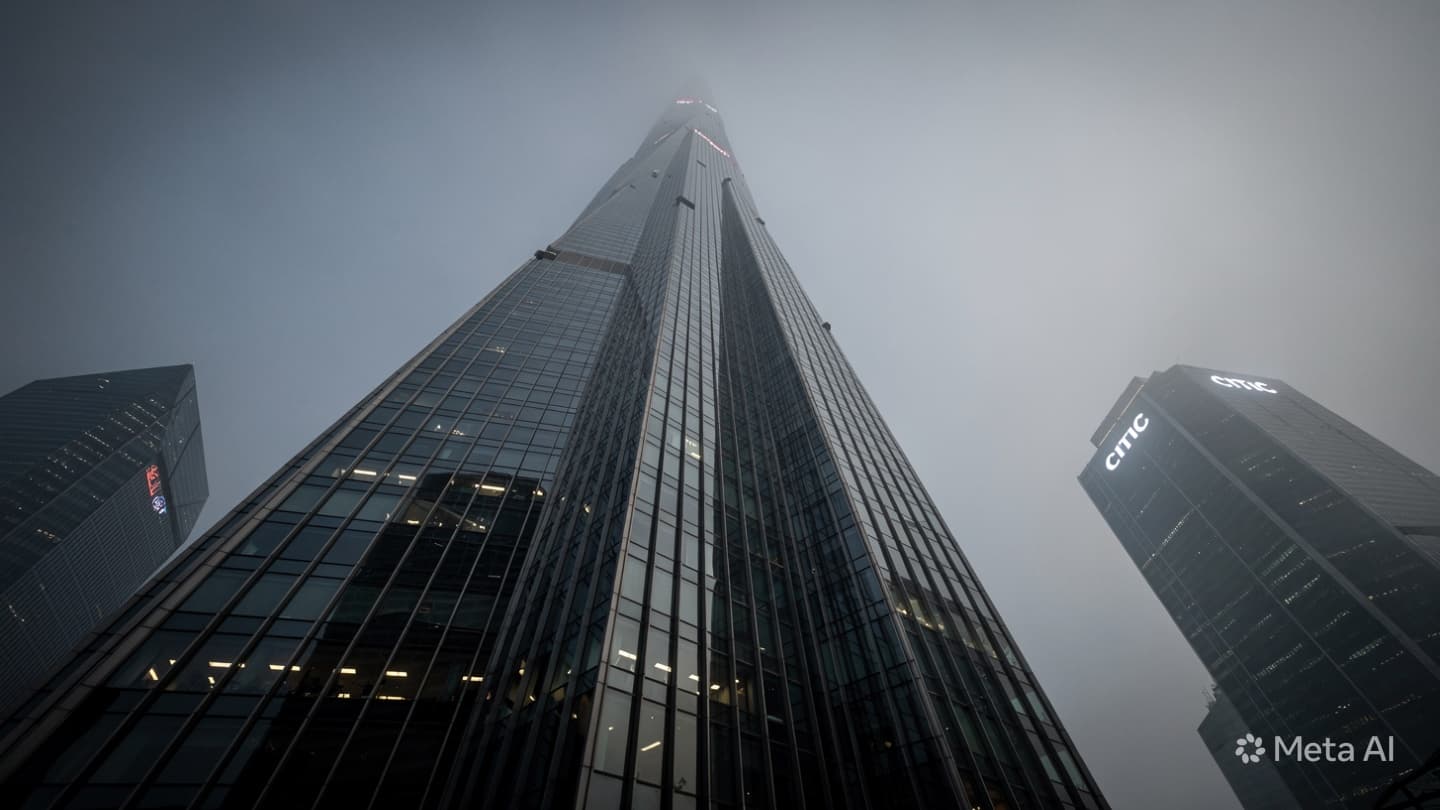
The collision occurred in the heart of Beijing's central business district, where the towering glass structure of the CITIC Tower stands as a symbol of the city's ambition and modernity. Witnesses described the descent of the aircraft as erratic, a fleeting moment that shattered the calm of the bustling urban environment. The impact left a visible mark on the tower's facade, a stark reminder of the vulnerabilities inherent in even the most meticulously planned urban landscapes.
Emergency responders were quick to act, navigating the chaos with practiced efficiency. Their presence contrasted sharply with the serene height of the CITIC Tower, as they worked to mitigate the damage caused by the aircraft's final moments and the debris that rained down onto the streets below. The incident resulted in the tragic death of the pilot and injuries to thirteen individuals on the ground, prompting swift official statements aimed at providing clarity amidst the confusion.
Authorities emphasized the ongoing investigation into the circumstances surrounding the incident, which has raised significant concerns about airspace management in Beijing. The city, known for its strict control over air traffic, now faces questions about how such a trajectory could have gone unnoticed. The incident marks a rare occurrence in the capital's aviation history, prompting discussions about the complexities of managing airspace in densely populated urban environments.
The CITIC Tower, also known as the China Zun, stands as a testament to architectural stability. However, the breach in its facade serves as a poignant reminder that even the most engineered structures are not immune to the unpredictable nature of aviation. The gap left by the collision was quickly boarded up, becoming a temporary scar on the skyline, symbolizing the fragility of urban life in the face of unforeseen events.
As the business district resumed its operations in the aftermath, a lingering sense of unease permeated the air. The incident has sparked a broader conversation about the safety of airspace in urban areas, highlighting the need for comprehensive strategies to prevent similar occurrences in the future. While the immediate danger has passed, the memory of the impact remains etched in the minds of those who witnessed the event, serving as a stark reminder of the interconnectedness of life above and below the city’s skyline.
In conclusion, the collision of the Aurora SA60L with the CITIC Tower has not only resulted in tragic loss but has also ignited a critical dialogue about airspace safety and management in one of the world's most densely populated cities. As investigations continue, stakeholders are urged to consider the implications of this incident on future aviation policies and urban planning.
Published by Banx Network. This article is part of the Banx decentralized media programme, powered by the BXE token on the XRP Ledger.



