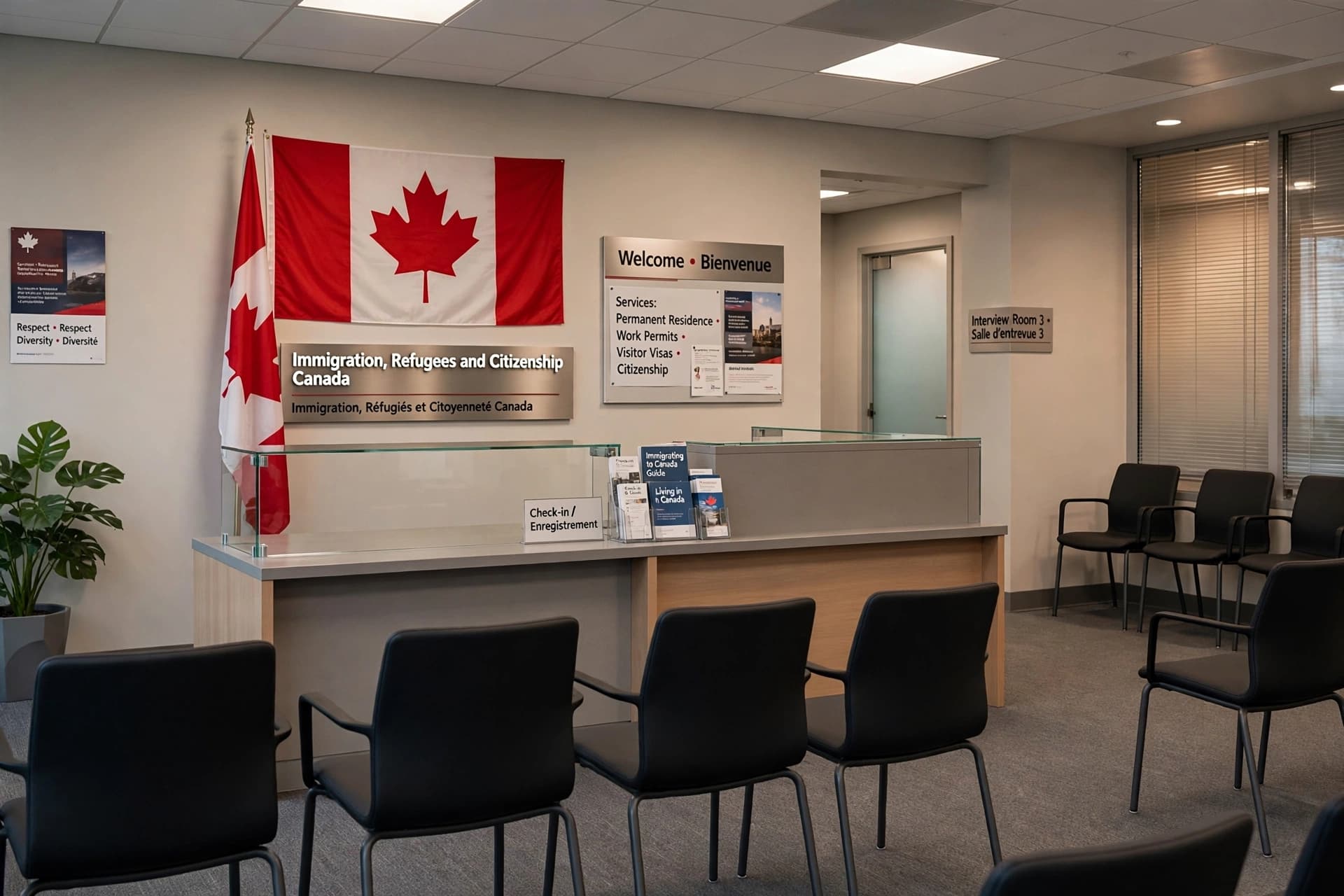
For a nation built on the arrival of newcomers, the question of how many should come, and how quickly, has never been merely a matter of numbers. It is a question about the shape of the future—about who will staff the hospitals, build the homes, and fill the tax base that sustains an aging population. For the past two years, Canada has deliberately slowed its intake, a response to pressures on housing and social services. Now, the signals suggest the pendulum may be swinging back.
Immigration Minister Lena Diab said Friday that immigration levels will be going up, pointing to Canada's slowest population growth since World War II. "We've taken a step backwards on immigration. Our population increase. It was the slowest population growth since World War II," she said at a press conference in Kitchener, Ontario. "We have an ambitious agenda. We are going to want to drive growth. We do need people" .
The numbers behind her statement are stark. Statistics Canada reported that the country's population reached an estimated 41,798,407 on July 1, 2026, an increase of just 189,425 people, or 0.5 percent, from a year earlier. That marked the lowest July-to-July growth since 1944-45 . The Bank of Canada has concluded that an aging population and declining immigration are "reshaping" the economy by shrinking the workforce and shifting consumption patterns .
The current immigration plan, tabled in November 2025, stabilized permanent resident admissions at 380,000 per year for 2026 through 2028—down from the Trudeau-era target of 500,000. It also dramatically cut temporary resident admissions, particularly international students, from over 300,000 to 155,000 for 2026 . Prime Minister Mark Carney told The New York Times in September that Canada would eventually resume a "controlled increase" in its population once the immigration system is fully under control .
Any increase would face scrutiny. Conservative MP Michelle Rempel-Garner has said immigration targets need to go "way down" following Carney's comments . Housing affordability remains a persistent concern, and the C.D. Howe Institute has recommended lower targets for coming years . The updated plan is expected in November, as scheduled. For now, the direction seems clear: after a period of deliberate restraint, the conversation is turning toward growth once more.
AI Image Disclaimer: Visual content accompanying this article is generated by artificial intelligence for illustrative purposes only.
Sources: CTV News, Canada.ca, ARAISA, Parliamentary Budget Officer
Published by Banx Network. This article is part of the Banx decentralized media programme, powered by the BXE token on the XRP Ledger.