
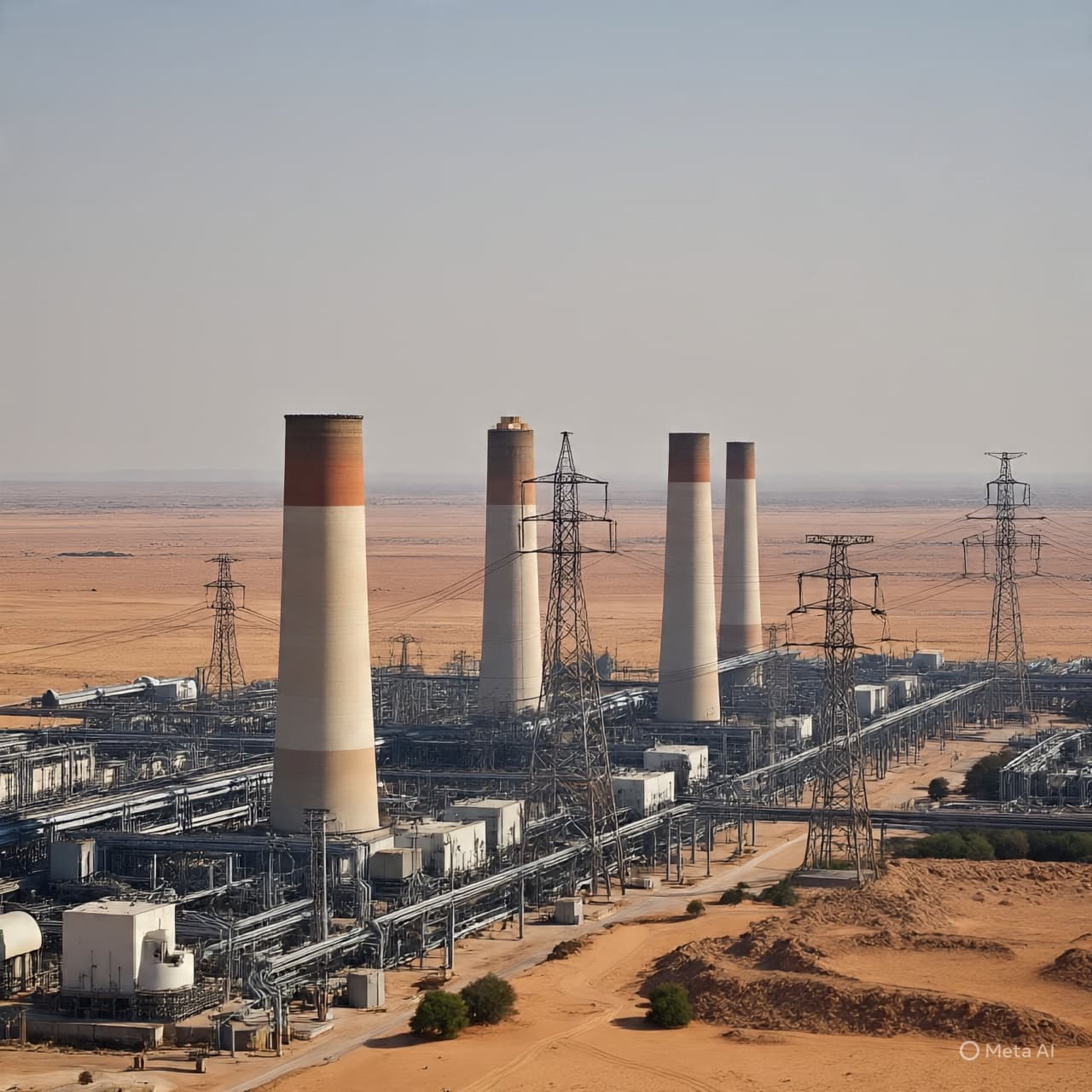
Key Highlights
- Proposed Investment:Jindal Africa plans a USD1 billion thermal power project in Botswana.
- Energy Security:The initiative aims to enhance local electricity generation and reduce import reliance.
- Legal Framework:International law firms are advising on regulatory and financial aspects of the project.
Botswana is currently at a pivotal moment in its energy development strategy, as discussions unfold around a significant thermal power project proposed by Jindal Africa. This initiative, which involves a substantial investment of USD1 billion, aims to bolster the country's electricity production capabilities and reduce its historical dependence on imported power. The project is particularly noteworthy given Botswana's rich coal resources, which have long been a cornerstone of its energy landscape.
The proposed thermal power development is expected to be closely linked to Jindal Africa's existing coal mining operations in Botswana. This connection not only highlights the potential for resource extraction to support energy generation but also underscores the importance of integrating various sectors within the economy. As the country grapples with increasing electricity demand, the project represents a strategic move towards enhancing domestic energy production.
In the early stages of such large-scale projects, legal and regulatory frameworks play a crucial role. Reports indicate that several international law firms have been engaged to provide guidance on various aspects of the Jindal initiative. Their expertise will be vital in navigating the complexities of financing arrangements, regulatory compliance, and the structuring of contracts that govern the project’s development.
The involvement of legal advisers reflects the multifaceted nature of energy projects, which often require collaboration between governments, investors, and various stakeholders. For Botswana, ensuring that the thermal power project aligns with national development goals is essential. Policymakers are keen to ensure that the initiative not only meets immediate energy needs but also supports broader economic diversification and industrial growth.
Energy security remains a top priority for Botswana, particularly as the country seeks to reduce its reliance on electricity imports. By expanding local generation capacity through projects like the one proposed by Jindal Africa, Botswana aims to create a more resilient energy infrastructure that can support its growing economy. Reliable electricity supply is crucial for various sectors, including industry and services, which are vital for sustainable development.
The global discourse surrounding coal-based thermal power projects is also relevant to Botswana's situation. While some nations continue to view coal as a practical solution to meet energy demands, there is an increasing emphasis on balancing such developments with environmental sustainability. Botswana's approach appears to involve a mix of energy strategies, incorporating both renewable initiatives and conventional power generation to address its electricity needs.
As discussions around the Jindal investment progress, it is likely that Botswana's energy planners will focus on aligning the project's financial viability with national energy priorities. The preparatory stages of the project will involve extensive negotiations and legal consultations, ensuring that all parties are aligned and that the project can move forward effectively.
In conclusion, the proposed thermal power project by Jindal Africa represents a significant step in Botswana's energy development journey. As the country navigates the complexities of energy production and resource management, the outcomes of this initiative could have lasting implications for its economic future and energy security.
Published by Banx Network. This article is part of the Banx decentralized media programme, powered by the BXE token on the XRP Ledger.



