In the quiet, unseen world beneath a microscope, life and death unfold in whispers. Bacteria multiply without fanfare, adapting, resisting, surviving in places both ordinary and extreme. For decades, scientists have watched this microscopic resilience with a mixture of admiration and alarm. Now, in laboratories humming softly with controlled light and sterile air, researchers have identified something remarkable — a biological “kill switch” hidden within certain bacteria, a self-destruct mechanism that may one day help humanity rebalance its long struggle with superbugs.
Antibiotic resistance has long been described as a creeping tide. Each year, familiar infections grow harder to treat, their defenses strengthened by evolution and misuse of medicines. The World Health Organization has repeatedly warned that antimicrobial resistance could become one of the most serious public health challenges of the century. Against this backdrop, the discovery of a bacterial kill switch feels less like a sudden triumph and more like the careful turning of a key long hidden in plain sight.
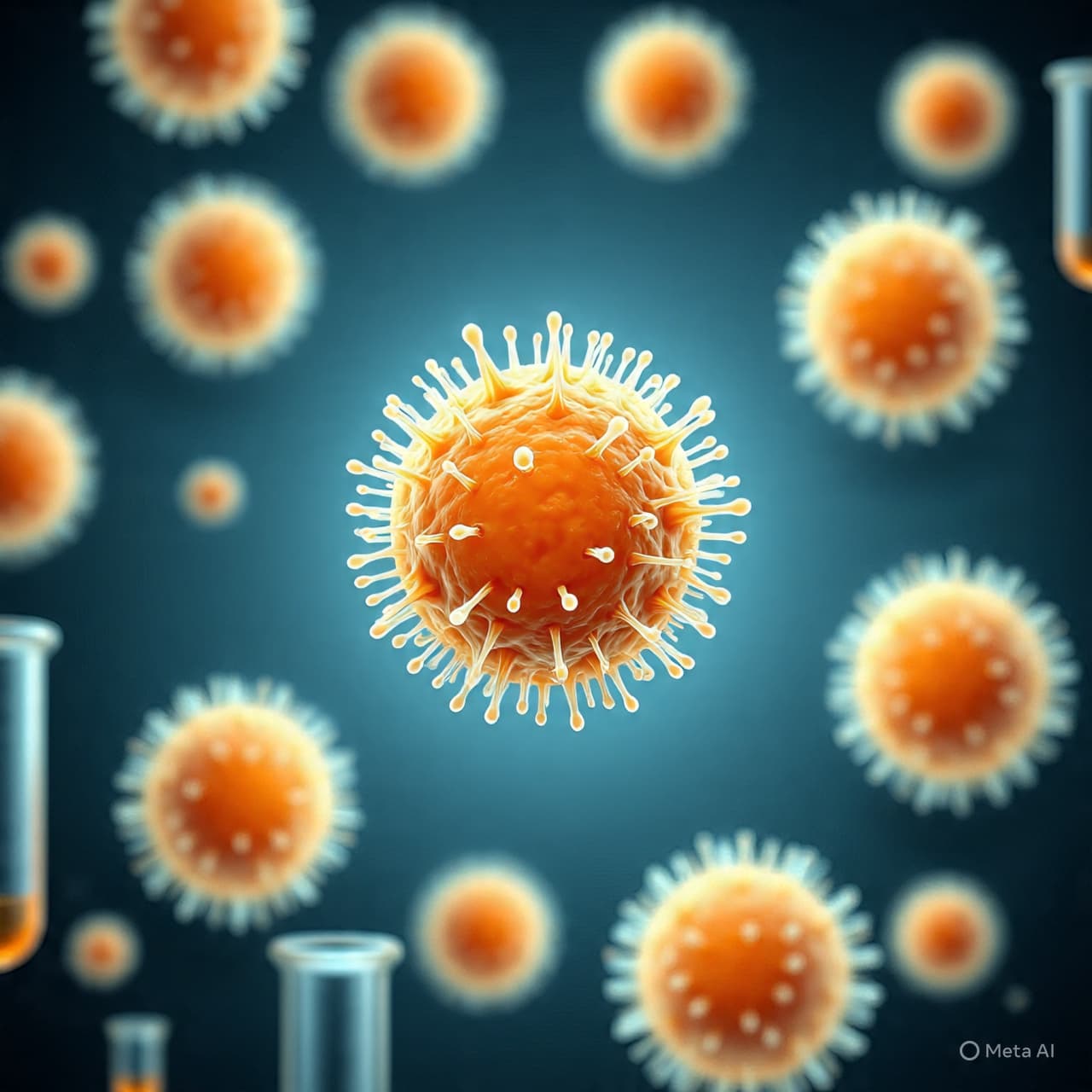
The newly identified mechanism works as a kind of molecular safeguard. Under specific stress conditions, certain bacteria activate internal pathways that cause them to shut down essential functions, leading to their own destruction. Scientists believe this process evolved as a population-control or stress-response strategy, preventing damaged cells from persisting and threatening the broader colony. What makes the finding compelling is the possibility of triggering this switch deliberately.
Instead of attacking bacteria from the outside — the traditional method of antibiotics — researchers are exploring ways to coax microbes into activating their own internal off-button. By targeting the regulatory proteins or genetic sequences involved in this pathway, future therapies could potentially cause harmful bacteria to dismantle themselves from within. It is an approach that feels almost philosophical: not overpowering an adversary, but persuading it to step aside.
Superbugs such as drug-resistant strains of Staphylococcus aureus or carbapenem-resistant Enterobacteriaceae have proven alarmingly adaptable. Conventional antibiotics often lose effectiveness as bacteria mutate or exchange resistance genes. But a kill switch embedded in the bacteria’s own biology may be harder to evade. Because the mechanism is intrinsic rather than external, it could reduce the speed at which resistance develops.
Researchers caution, however, that the discovery is still in its early stages. Much of the work has been conducted in controlled laboratory settings, and translating these findings into safe, effective treatments for humans will require years of testing. Scientists must ensure that triggering such mechanisms does not unintentionally affect beneficial bacteria or disrupt the complex ecosystems within the human body. The microbiome, after all, is not an enemy but a delicate community that supports digestion, immunity, and overall health.
There is also the broader question of stewardship. Even as new antimicrobial strategies emerge, experts emphasize that responsible antibiotic use remains essential. No single breakthrough can fully resolve the challenge of resistance. Rather, it is through layered solutions — innovation, regulation, surveillance, and education — that progress becomes sustainable.
Still, the symbolism of a bacterial kill switch resonates. It suggests that within the architecture of life itself, there are balances and fail-safes, mechanisms that can be understood and perhaps guided. In a time when antibiotic pipelines have slowed and resistance charts trend upward, such discoveries offer a quiet but meaningful note of optimism.
The research continues, with teams across universities and biotechnology firms examining how broadly this mechanism appears across species and how precisely it can be controlled. Clinical application remains a future goal, not an immediate remedy. Yet the discovery adds a new dimension to the fight against superbugs — one rooted not in stronger weapons, but in deeper understanding.
For now, the finding stands as an encouraging development in medical science. Further peer review, replication, and regulatory evaluation will determine how soon — or whether — this internal bacterial switch can be safely transformed into a therapeutic tool. What is clear is that the microscopic world still holds secrets, and among them may lie pathways toward restoring balance in one of modern medicine’s most pressing battles.
AI Image Disclaimer
Illustrations were produced with AI and serve as conceptual depictions.
SOURCE CHECK
Credible coverage and scientific reporting found in:
1. BBC News
2. Reuters
3. The Guardian
4. Nature News
5. Science Magazine
Published by Banx Network. This article is part of the Banx decentralized media programme, powered by the BXE token on the XRP Ledger.