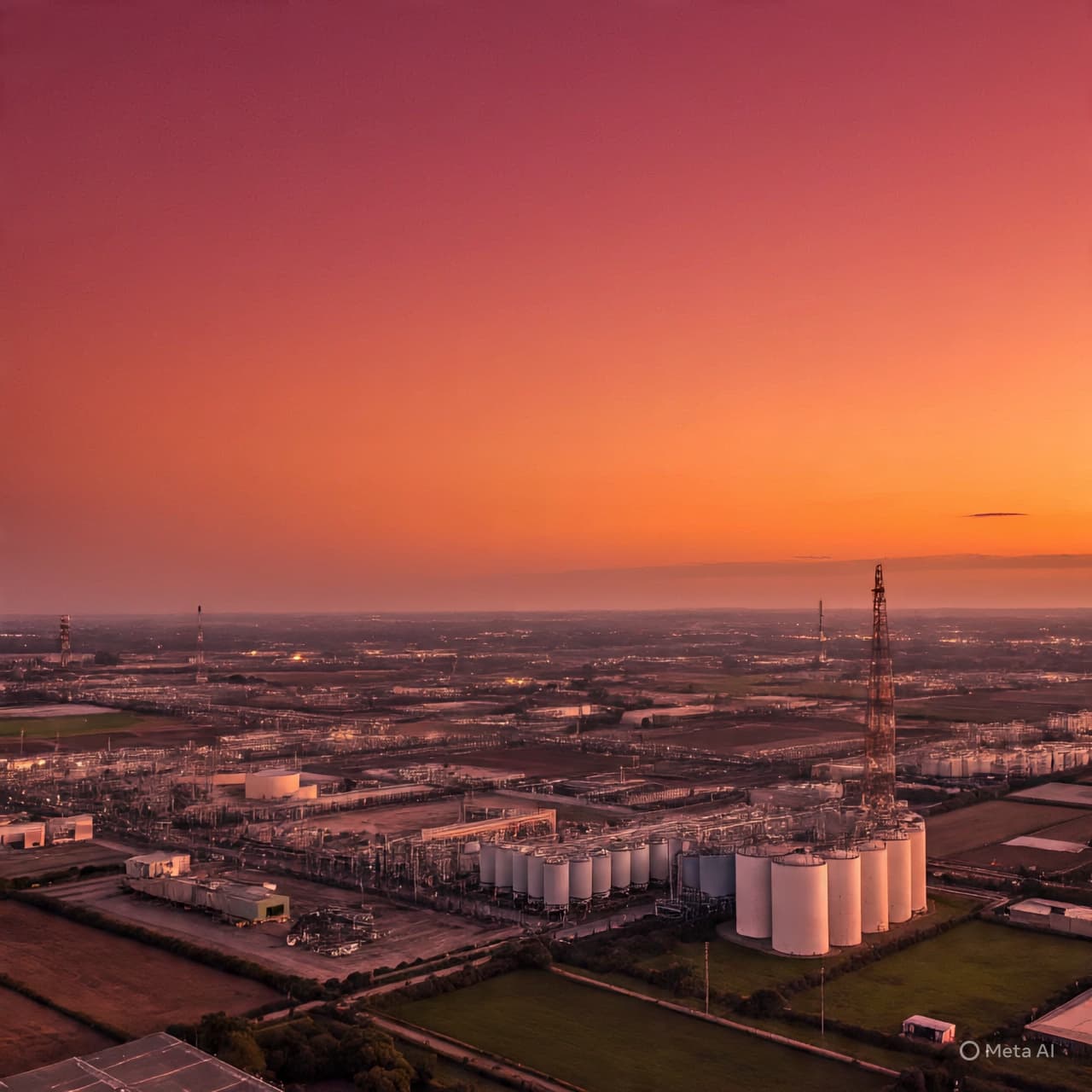
In the vast expanse where ocean light shifts into horizon and back again, the promise of black gold once seemed as natural as sunrise over Lake Maracaibo. For decades, Venezuela’s oil fields were spoken of as nearly mythic — deep reserves that could turn tides of energy and influence alike. Yet in the current stillness that has settled over parts of the Venezuelan plains, that promise feels quieter, more elusive, like a story told sideways rather than straight on.
After the United States’ military operation in early 2026 ousted President Nicolás Maduro and announced control over parts of Venezuela’s petroleum sector, former President Donald Trump spoke with the certainty of someone describing a kept promise. He vowed to “unleash” Venezuelan oil and attract up to $100 billion in foreign investment to revive the country’s faltering industry. Yet the rooms where such deals might be struck have remained notably subdued.
The reasons for this tepid interest are not found in a lack of ambition, but in the ledger lines of risk and return that guide the world’s largest energy companies. Even as sanctions were relaxed and general licenses issued to allow major firms such as Chevron, BP, Eni, Shell, and Spain’s Repsol to operate and invest in Venezuela again, some heavyweight names have balked. ExxonMobil, for instance, has publicly described Venezuela’s oil sector as “uninvestible” under current conditions — a blunt label that earned its chief a rare rebuke.
Behind that stark phrase lies a landscape of challenges that are both geological and institutional. Venezuela does indeed hold among the world’s largest proven crude reserves, but much of it is heavy, sour crude that requires sophisticated refining capacity — technology and intellectual property controlled largely by international firms that are hesitant to commit capital without iron-clad guarantees. The country also lacks sufficient domestic refining infrastructure, leaving it reliant on imported fuels even as it struggles to bring its own crude to market.
Beyond that, analysts point to the sheer scale of investment needed to rehabilitate production facilities that have suffered decades of underinvestment. Estimates suggest tens — if not hundreds — of billions of dollars spread over many years before output could approach former peaks. For many executives guided by shareholder expectations and cautious boards, that outlook dampens enthusiasm. They want stability, clear legal frameworks, and transparent governance — conditions not yet fully in place.
Still, the scene is not one of total inertia. Some firms like Repsol are moving forward, planning to significantly boost output in the near term under newly issued U.S. permits. Such activity underlines the nuance in today’s oil market: companies will act where they perceive manageable risk and clear commercial pathways, even as others wait on the sidelines.
For the Trump administration, the hope was that U.S. oil majors would swiftly seize the moment, turning Venezuela’s vast but dormant fields into a new chapter of American-led production. Instead, what has emerged is a reminder of how the oil industry has evolved: less drawn to headline grabs and more attached to predictable returns. The world’s largest producers now often look to stable basins with clear cost structures and existing infrastructure, while Venezuela’s story — written in heavy crude and complex politics — remains, for many, an expensive proposition.
As the sun dips behind the endless low hills, the promise of Venezuela’s reserves still lingers in the heat between earth and atmosphere. But for now, the roar of investment remains faint, measured in cautious steps rather than swift conquest. And in that quiet, the oil fields lie waiting, subject not just to geopolitics, but to the rhythms of markets and the immutable calculus of risk.
AI Image Disclaimer Visuals are AI-generated and serve as conceptual representations.
Sources Asia Times Reuters Financial Times The Conversation Reuters energy permit reports
Published by Banx Network. This article is part of the Banx decentralized media programme, powered by the BXE token on the XRP Ledger.