
Key Highlights
- Nowruz Celebrations:The Iranian New Year, Nowruz, symbolizes renewal and hope.
- Protests Emerge:Small demonstrations occurred during the holiday, reflecting public dissent.
- Government Response:Authorities maintained a strategy of containment to prevent escalation.
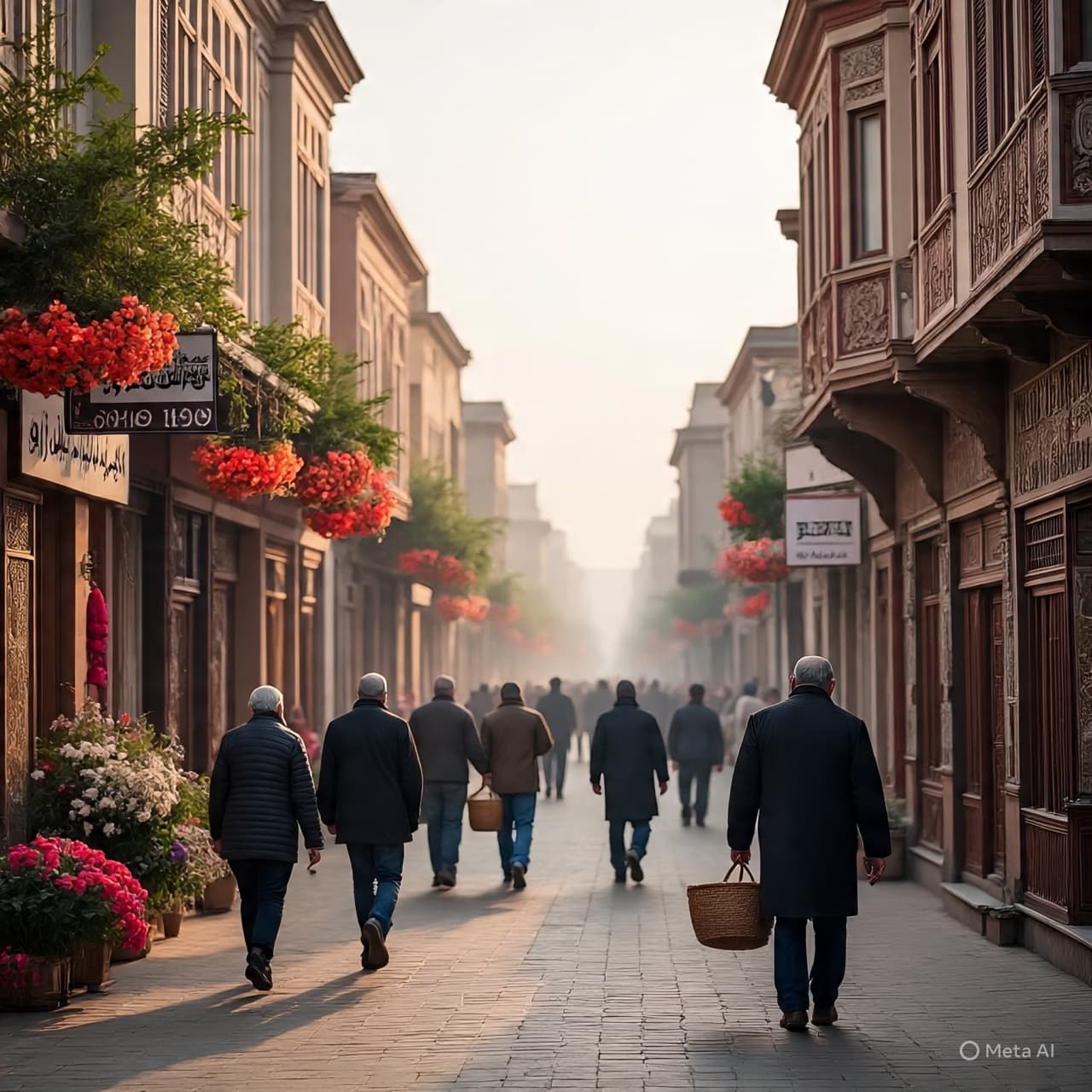
The Iranian New Year, known as Nowruz, traditionally symbolizes renewal, marked by the arrival of spring with elements like water, greenery, and light returning after winter. Streets across Iran fill with movement, homes open to visitors, and the atmosphere feels rejuvenated. However, this year, as the calendar turned, an undercurrent of dissent accompanied the celebrations, hinting at deeper societal tensions.
During the Nowruz holiday, small demonstrations surfaced in various cities. These protests were not large or unified but manifested as brief gatherings where chants were exchanged quickly, and gestures made before dissipating. This pattern of protest is familiar in Iran, shaped by years of civil unrest and government response, with both sides acutely aware of each other's limits.
In response to these demonstrations, Iranian authorities adopted a strategy of vigilance and containment. Security forces were deployed but with a measured approach, reflecting a long-refined strategy aimed at preventing escalation rather than provoking confrontation. The state seemed more focused on maintaining control over the narrative and public expression during the holiday period.
For observers, these demonstrations raised enduring questions about the survival of the Iranian regime. Historically, Iran's political system has demonstrated a capacity to absorb societal pressure without visibly fracturing, relying on its institutional depth, security apparatus, and the fragmentation of opposition movements. Protests may flare up and then recede, leaving behind traces of discontent that rarely coalesce into a sustained challenge against the regime.
However, the notion of survival is not static. It requires constant adjustment, recalibrating force, making concessions, and controlling the narrative. The modest protests during Nowruz highlighted that public frustration persists, driven by economic hardships, social restrictions, and generational divides that shape the context of each demonstration.
Despite the protests, there was no indication of an imminent rupture within the regime. The demonstrations did not reach the scale or coordination that would signify a turning point. Instead, they illustrated a more ambiguous reality: a state that remains firmly in control, while society continues to test its boundaries without crossing them.
As the Nowruz celebrations concluded, daily life in Iran resumed its familiar rhythm. Markets reopened, travel slowed, and official messaging emphasized stability and continuity. The question of regime survival lingered, not as an urgent countdown but as a long-term inquiry shaped by the accumulation of events rather than isolated incidents.
In Iran, the New Year often embodies a blend of hope and realism. This year was no exception. The protests came and went, the regime endured, and the space between dissent and control remains a quiet negotiation for the future.
Published by Banx Network. This article is part of the Banx decentralized media programme, powered by the BXE token on the XRP Ledger.



