Electricity usually disappears into the background once a switch is turned on. Yet when power begins crossing national borders, every part of the system becomes visible: generation, transmission, pricing, regulation and the cables that physically connect one country with another.
Indonesia and Singapore are developing plans for cross-border trade in low-carbon electricity, with Indonesia expected to export at least 3.4 gigawatts of low-carbon power to Singapore by 2035 under their cooperation framework. (rsis.edu.sg)
Singapore has set a broader goal of importing around 6 GW of low-carbon electricity from the region by 2035. As of August 2026, Singapore said it had granted conditional approvals to 13 projects representing 9.25 GW of potential imports from several countries, including Indonesia. Six Indonesian projects had progressed to conditional licenses. (mti.gov.sg)
The Indonesia-Singapore plan is therefore part of a wider regional effort rather than an isolated bilateral project. The ASEAN Power Grid seeks to strengthen electricity connections among Southeast Asian countries and develop a framework for multilateral power trading.
But the path from an agreement to actual electricity flowing across a border is considerably more complicated. Projects require technical studies, financing, commercial agreements, regulatory approvals and transmission infrastructure before construction can reach the operational stage.
Undersea cables are particularly important. Indonesia and Singapore are separated by maritime areas, meaning large-scale electricity transfers require transmission infrastructure capable of operating beneath the sea and connecting generation facilities with Singapore’s power system.
Regulation is another essential piece. ASEAN’s energy institutions have been working on market rules, technical standards and governance structures intended to make cross-border electricity trading possible on a larger scale. The ASEAN Centre for Energy has described regulatory frameworks and coordinated transmission systems as key building blocks for multilateral power trade. (aseanenergy.org)
The commercial side remains equally important. Electricity producers and buyers must determine prices, contract periods, financing structures and responsibilities for infrastructure. These arrangements determine whether a project can move from a promising proposal into a bankable investment.
For Indonesia, the opportunity is connected to its renewable-energy potential. Solar power and other low-carbon sources can provide electricity for domestic consumption while also becoming part of a regional energy market if transmission systems and commercial structures develop sufficiently.
For Singapore, regional electricity imports offer a way to supplement limited domestic renewable resources. Its government has stated that importing low-carbon electricity could provide around one-third of the country’s energy demand by 2035 if the broader 6 GW target is achieved. (mti.gov.sg)
The timeline therefore depends on more than generation capacity. A solar plant can be built on land, but cross-border electricity requires a complete chain extending from the power source to the consumer, including cables, converters, market rules and regulatory approvals.
Between Indonesia’s islands and Singapore’s grid lies a future energy corridor that is still being assembled. The planned 3.4 GW export capacity represents a significant ambition, but its eventual realization will depend on how effectively infrastructure, financing and regulation come together across the water.
IMAGE DISCLAIMER
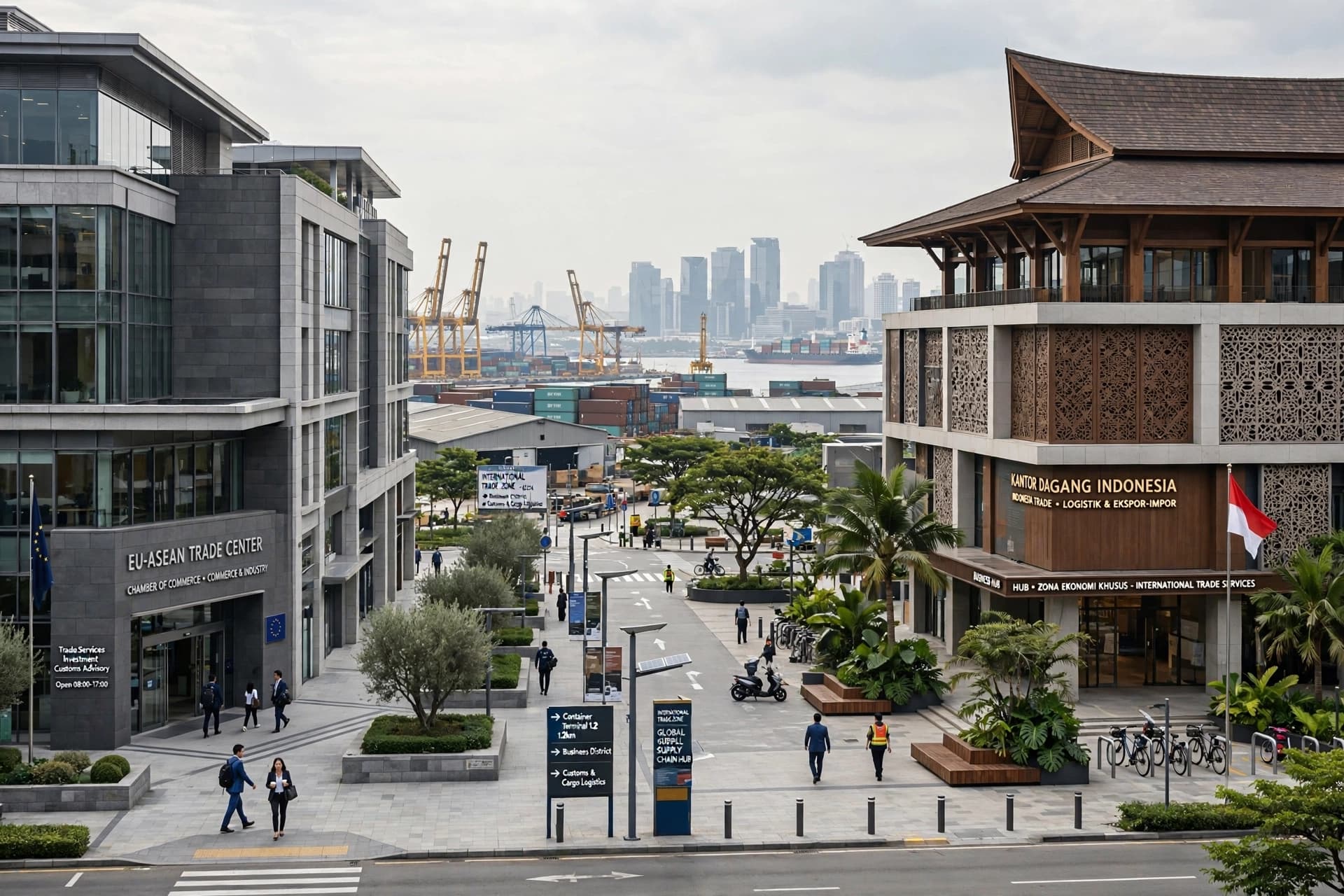
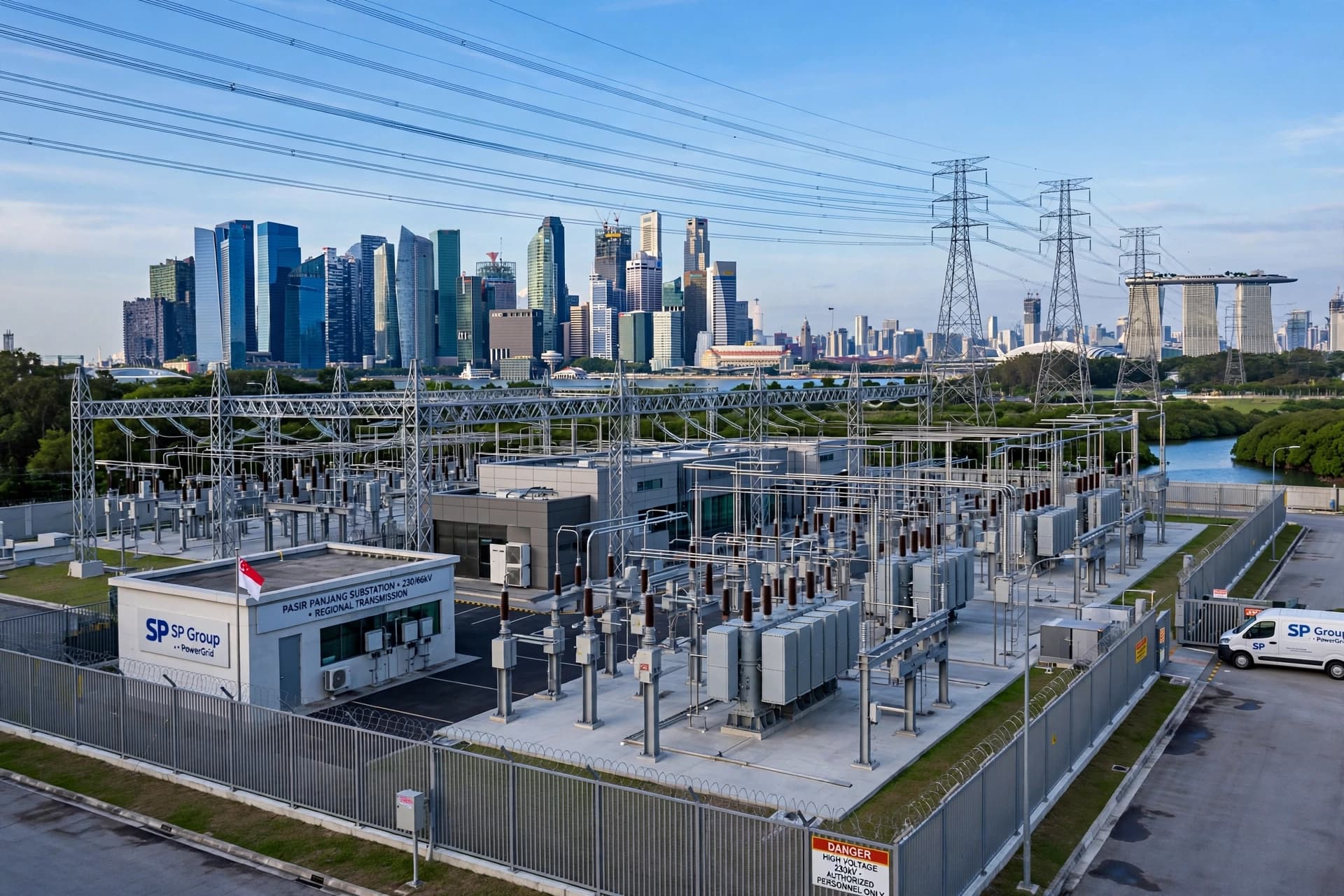
These visuals are AI-generated conceptual illustrations and are not photographs of the actual electricity projects or infrastructure.
SOURCES
Singapore Ministry of Trade and Industry Energy Market Authority of Singapore ASEAN Centre for Energy RSIS
Published by Banx Network. This article is part of the Banx decentralized media programme, powered by the BXE token on the XRP Ledger.