
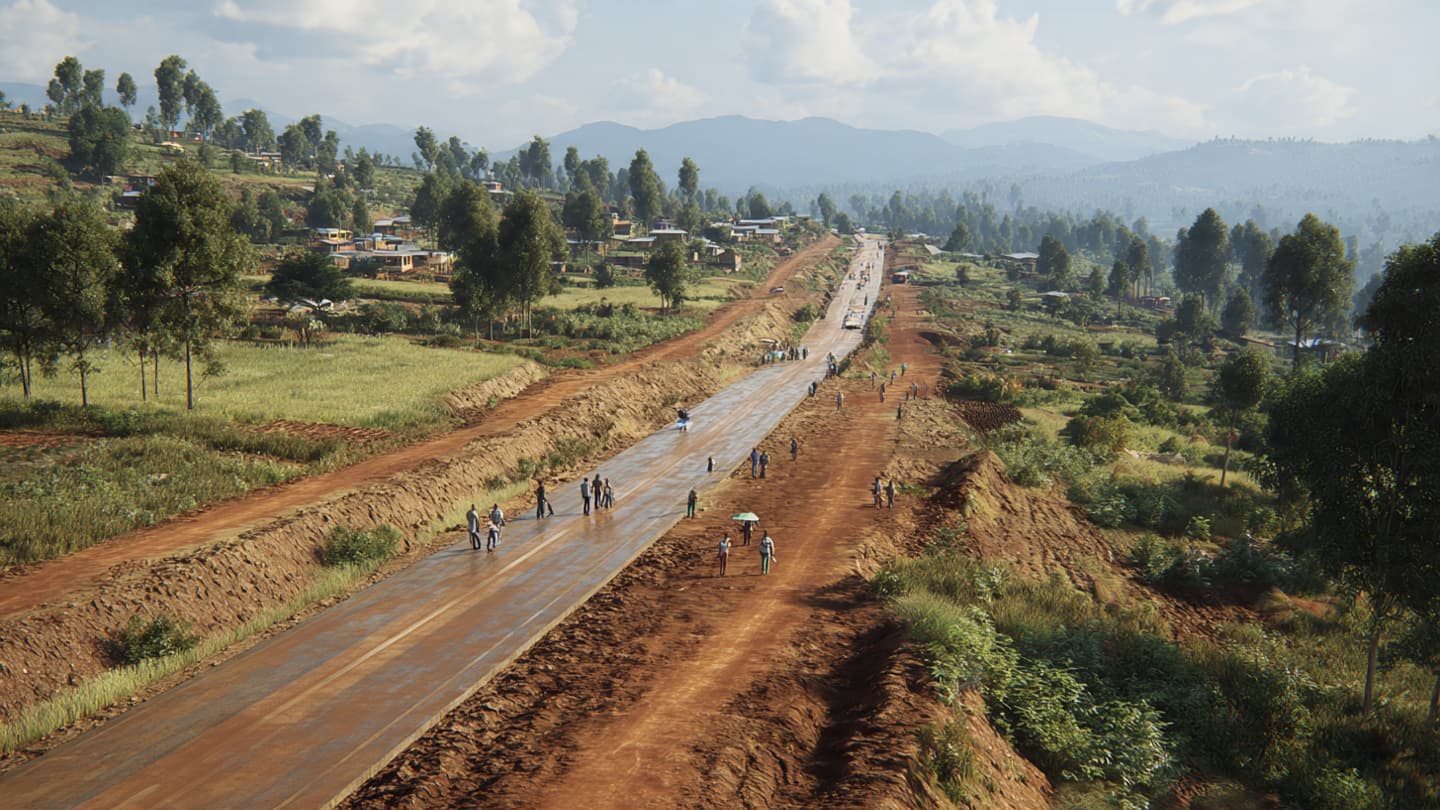
Key Highlights
- Infrastructure Development:Burundi focuses on improving transportation, energy, and water systems.
- Regional Cooperation:Increased discussions with international partners aim to enhance connectivity.
- Economic Growth:Infrastructure is central to Burundi's long-term growth strategy.
Burundi is at a pivotal moment in its quest for national development, with infrastructure taking center stage in discussions at recent African development meetings. These gatherings have highlighted the importance of transportation, energy access, and economic modernization as critical components of the country’s growth strategy. As regional institutions and international partners engage in dialogue, the focus remains on how to effectively strengthen movement, trade, and daily life through improved infrastructure.
The emphasis on infrastructure development is not merely a bureaucratic exercise; it reflects a pressing need to address the challenges faced by Burundians in both urban and rural areas. Road networks, electricity access, and water systems are among the primary areas of focus in current development planning. Observers note that enhancing infrastructure is essential for expanding trade, supporting agriculture, and bolstering economic resilience across communities.
International financial institutions and African development organizations have increasingly prioritized regional integration projects that link transport corridors and energy cooperation between neighboring countries. Burundi's active participation in these discussions signifies a commitment to strengthening connectivity across East and Central Africa. This regional approach is seen as vital for fostering economic growth and improving the quality of life for its citizens.
However, the road to infrastructure modernization is fraught with challenges. Transportation limitations hinder market access for farmers and businesses, while inconsistent electricity coverage stifles industrial development and public services. Development experts emphasize that addressing these infrastructure gaps is closely tied to poverty reduction and economic diversification efforts.
Financing large-scale infrastructure projects remains a significant hurdle for Burundi. The government is tasked with balancing ambitious development goals against fiscal constraints, environmental considerations, and logistical complexities that can impede project implementation. Analysts warn that successful infrastructure expansion will require sustained regional support and effective long-term institutional coordination.
Despite these challenges, there are signs of progress. Visible changes are beginning to emerge across the country, with road rehabilitation projects, expanded utility systems, and regional transport initiatives reshaping how communities connect with broader economic networks. While development may be uneven, the momentum for change is palpable.
In Burundi, infrastructure represents more than just physical construction; it is a lifeline that influences agricultural productivity, educational access, and economic engagement. Roads determine whether crops reach markets, while electricity availability shapes opportunities for learning and growth.
Looking ahead, African development organizations and regional partners are expected to continue their discussions on Burundi’s infrastructure priorities throughout 2026. As investment planning and regional connectivity initiatives advance, the hope is that these efforts will lead to a more integrated and prosperous future for the nation.
Published by Banx Network. This article is part of the Banx decentralized media programme, powered by the BXE token on the XRP Ledger.



