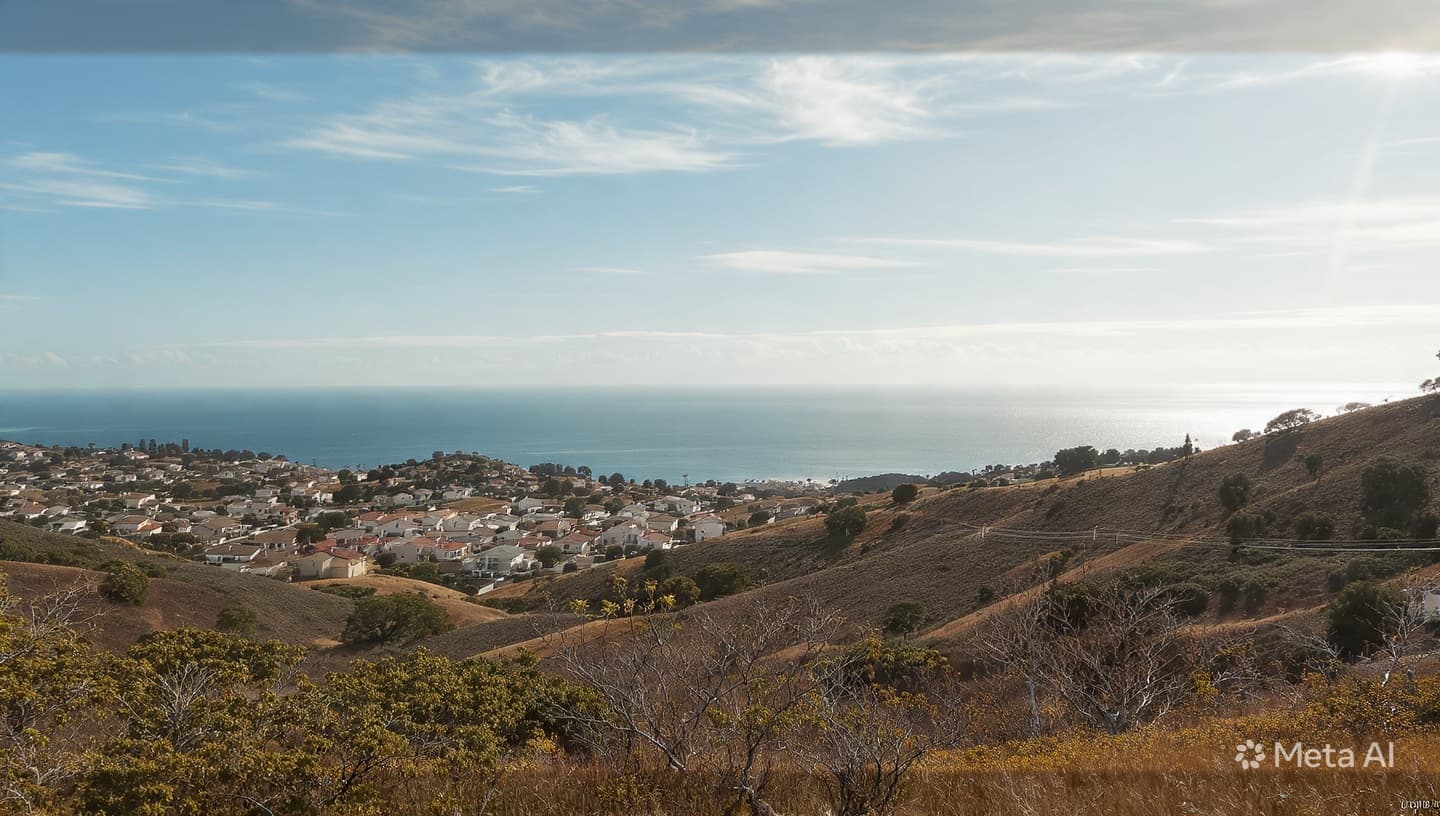
The hills of Pacific Palisades, a verdant fold in the landscape of Los Angeles, are often seen as a sanctuary of light and luxury. Yet, beneath this veneer of serenity lies a history marked by the unpredictable, transformative power of wildfire. The trial of Jonathan Rinderknecht, accused of sparking the blaze that became the most destructive in the city's history, brings a somber reflection to the courtroom, turning the gaze of a grieving city toward the events of a single, cold January night.
The fire, which would ultimately claim twelve lives and reduce thousands of homes to ash, began as a small, flickering presence—a "zombie" fire smoldering in the root systems of the hills. It is a harrowing thought, that such vast ruin could spring from a source so seemingly insignificant. As the prosecution lays out its case, detailing the events of that New Year’s Day, the city watches, seeking answers to the question of how a moment of alleged recklessness spiraled into an inferno that reshaped the geography of a community.
For the residents of Pacific Palisades and Malibu, the trial is not merely a legal proceeding; it is a forced confrontation with the trauma of a lost year. The testimonies, the aerial footage of the charred remains, and the accounts of the desperate evacuations are all pieces of a narrative that most would rather forget. Yet, they are necessary, for they speak to the collective loss and the profound disruption of a landscape that had once been synonymous with stability and peace.
The trial hinges on the fine, fragile line between intent and consequence. The defense argues against the narrative of the prosecution, pointing to the complexities of fire dynamics and the potential for scapegoating. This tension—the quest for a definitive answer in a situation defined by the chaotic, swirling physics of a wind-driven inferno—highlights the difficulty of justice in the wake of an environmental catastrophe. Can a single individual be held accountable for the way the wind, the dry brush, and the topography conspired to create a disaster?
As the jury weighs the evidence, the city of Los Angeles continues its long, slow work of rebuilding. The first homes have risen from the ruins, a sign of the resilience that defines those who live in the shadow of such threats. Yet, the memory of the fire persists, a quiet, lingering presence that changes the way the city looks at the hills. Every dry season is now met with a heightened sense of vigilance, a recognition that the wildfire is not just an event, but a constant, latent potential in the life of the valley.
The legal process serves as a mirror, reflecting the city’s anger, its grief, and its search for a semblance of control. By placing the tragedy within the confines of the courtroom, the community seeks to contain the chaos of the fire, to name the cause, and to process the magnitude of the loss. It is an effort to bring order to a tragedy that was, by its very nature, a rupture of the orderly world.
Regardless of the verdict, the Palisades Fire remains a permanent chapter in the history of the region. It is a story that speaks to the vulnerability of the suburban dream in an era of changing climates and increasing environmental volatility. The trial brings the details to the surface, but the deeper, more profound truth—that twelve lives were lost and a community was fractured—remains a weight that the city will carry for a long time to come.
As the lawyers speak and the evidence is presented, the hills above the city remain stoic, indifferent to the human quest for retribution. The trial will end, and the legal records will be closed, but for the survivors, the fire continues to burn in the memory of a lost home or the absence of a loved one. The city moves forward, but it does so with a changed perspective, acutely aware of the fragility of the landscape and the devastating ease with which a small flame can turn into a tide of fire.
Published by Banx Network. This article is part of the Banx decentralized media programme, powered by the BXE token on the XRP Ledger.