
Key Highlights
- Emotional Landscape:Jobs that evoke strong reactions from the public.
- Daily Interactions:The routine and emotional challenges faced by workers.
- Community Impact:The role of public-facing jobs in everyday life.
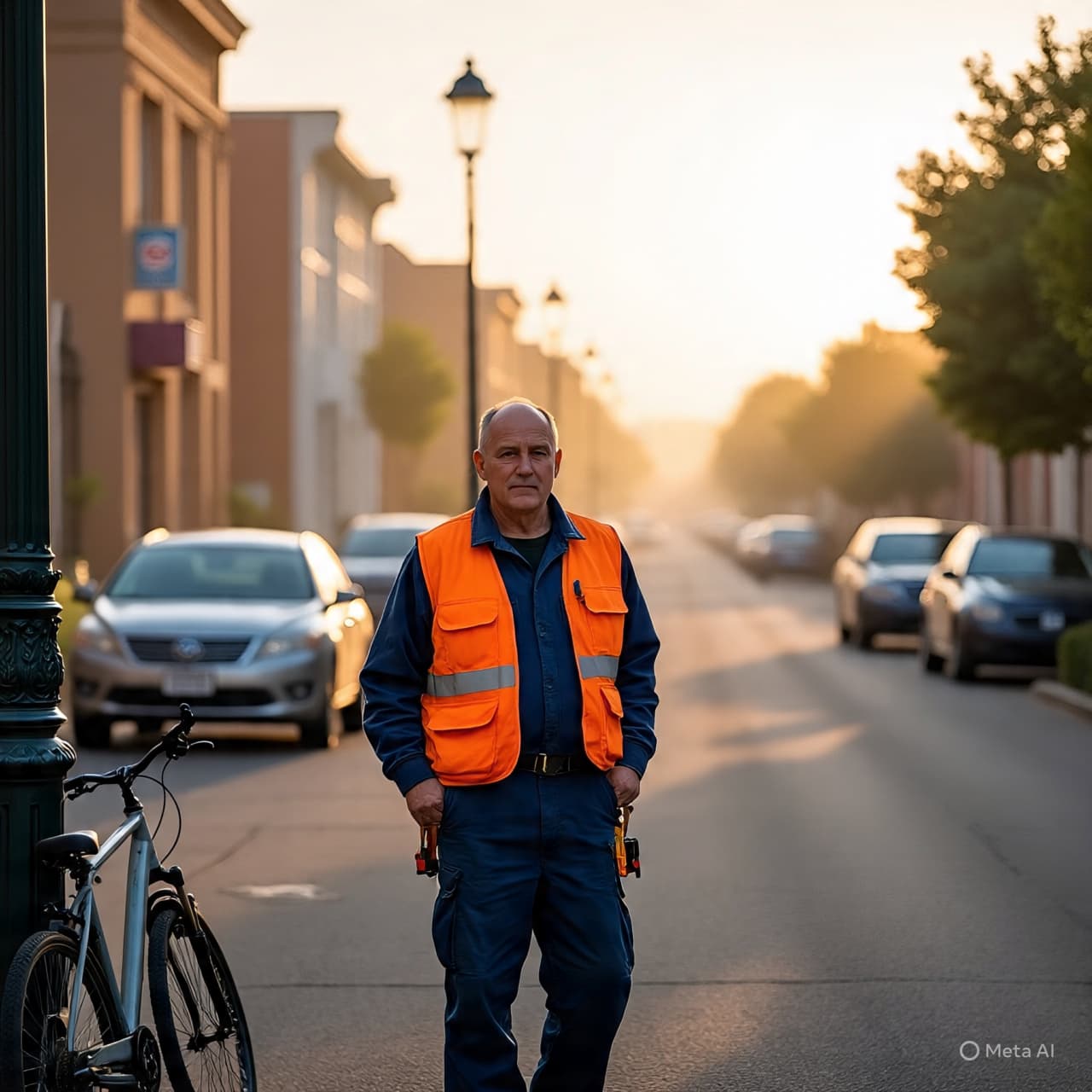
In many communities, certain jobs seem to arrive before the individuals who perform them. Symbols like uniforms, clipboards, and notices often precede the workers, creating an atmosphere charged with anticipation and reaction. As the day begins, streets gradually awaken, offices flicker to life, and coffee cups are filled. Yet, for those in roles that involve enforcement or unwelcome decisions, this calm is often short-lived. The work itself may not be the initial focus; rather, it is the perceptions and beliefs surrounding it that draw attention.
Working in a job that people love to hate can feel like participating in a public theater. Encounters with the public are often brief but leave lasting impressions. A simple conversation on the sidewalk may last only a few minutes, yet the emotions surrounding it can feel monumental. The tasks at hand—whether checking compliance, issuing notices, or asking difficult questions—are procedural, yet they are often met with strong reactions from the public.
Over time, a rhythm develops in these roles. Some days, interactions are met with indifference, while on others, frustration erupts almost instantly. Workers must maintain their pace, moving from one task to the next, regardless of the emotional climate. This persistence is not dramatic but rather a steady commitment to the job, requiring a balance between professionalism and emotional resilience.
People often perceive these roles through their most visible moments—the complaints, the raised voices, the stories retold with emphasis. However, what remains less visible is the ordinary routine that fills the gaps between these moments. The long stretches of monotony, the meticulous attention to detail, and the understanding that each interaction involves another person with their own pressures and timing are crucial aspects of the job.
In these professions, emotional distance becomes a valuable asset. This is not indifference but a calmness that allows workers to continue their tasks without becoming overwhelmed by every reaction. They learn to discern subtle shifts in tone, recognizing when irritation is fleeting and when anger requires patience to diffuse. Conversations can shift unexpectedly, and workers must adapt to the changing dynamics.
As time passes, a strange familiarity develops. The same streets, neighborhoods, and daily patterns unfold around these jobs. Even those who react strongly in one moment may gradually come to accept the presence of the work, albeit reluctantly. This duality makes the role both visible and strangely ordinary, as it becomes woven into the fabric of daily life.
Holding such a position means navigating a narrow corridor between responsibility and public perception. The rules governing these jobs may seem straightforward, but their real-life implications are often complex. Each day serves as a reminder that public-facing work encompasses more than just procedure; it involves expectations, assumptions, and sometimes resistance from the community.
Despite the challenges, the work continues in its measured way. Steps repeat, tasks are completed, and the day eventually transitions into evening, much like any other. The immediate reactions may fade into memory, but the practical details of the job remain recorded and fulfilled. Jobs that people love to hate are an integral part of many communities, carried out by individuals who navigate daily interactions that can be both routine and emotionally charged. These roles persist, contributing to the dynamics of everyday public life, even amidst the mixed feelings they often evoke.
Published by Banx Network. This article is part of the Banx decentralized media programme, powered by the BXE token on the XRP Ledger.



