
Key Highlights
- Diplomatic tensions between the U.S. and Iran are escalating amid military clashes.
- The Strait of Hormuz remains a critical point for global oil transport.
- Ongoing negotiations are complicated by unresolved strategic disputes.
The sea often keeps its own memory. Even when the surface looks calm, the currents beneath may still be restless. This week in the Gulf, diplomacy and confrontation seemed to move in much the same way—side by side, close enough to be seen together, but still far from meeting.
On Saturday, the United States and Iran appeared no closer to a broader settlement as new clashes flared in and around the Gulf. According to Reuters, exchanges of fire and renewed maritime tension underscored how fragile recent diplomatic contacts remain, despite parallel discussions over proposals aimed at ending the current war. The situation highlights the precarious balance between military action and diplomatic efforts in the region.
Officials in Washington have been waiting for Tehran’s formal response to a U.S.-backed framework designed to halt hostilities and create room for further negotiations. This proposal reportedly focuses on ending active combat while leaving major strategic disputes unresolved, including Iran’s nuclear program and navigation security around the Strait of Hormuz. The Strait is one of the world’s most strategically important waterways, carrying a significant share of global oil transport, making any military engagement there a matter of international concern.
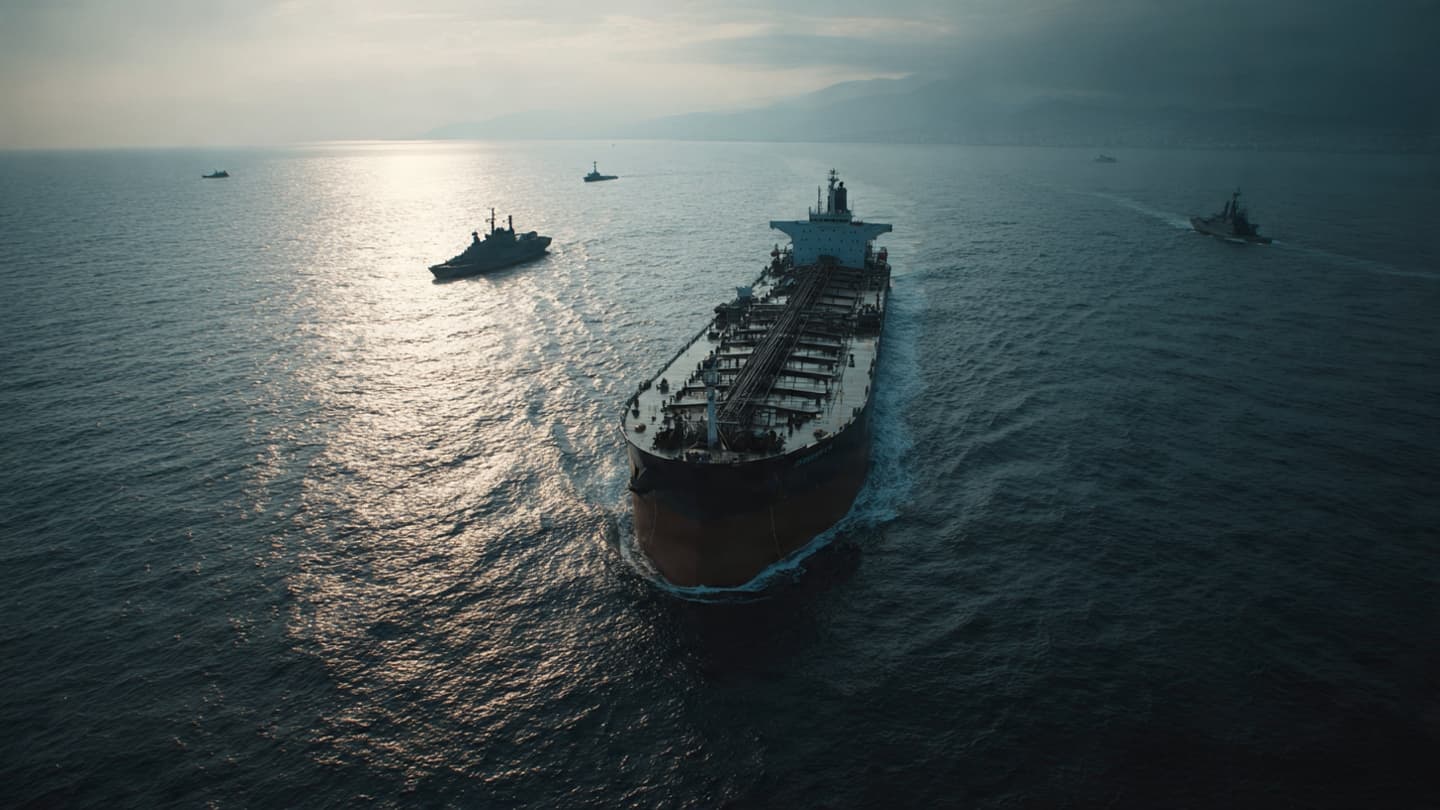
Recent reports of renewed fire near the Gulf shipping lanes have raised alarms. American officials have not described the latest clashes as a collapse of diplomacy. Instead, they maintain that talks remain open, even while military friction continues. This dual-track reality—negotiation in one room, confrontation in another—has increasingly defined this phase of the conflict, complicating the path to a peaceful resolution.
Iran, for its part, has continued to review the latest proposal without publicly committing to acceptance. Reports suggest Tehran remains wary of any framework that addresses immediate military de-escalation without also offering firmer guarantees on sanctions relief and maritime access. This cautious approach reflects Iran's strategic interests and its desire to maintain leverage in negotiations.
Analysts note that the present difficulty lies not only in the exchange of fire but also in the distance between what each side considers acceptable. Washington appears focused on stabilizing the Gulf and preventing escalation, while Tehran is equally focused on preserving its leverage and resisting terms seen as strategically limiting. This divergence in priorities complicates the negotiation process and raises the stakes for both parties.
In practical terms, the latest flare-up has sharpened attention on commercial shipping and regional security coordination. Merchant traffic, naval escorts, and insurance costs have all become part of the wider conflict’s economic shadow. What happens at sea now shapes decisions in energy markets as much as in diplomatic chambers, illustrating the interconnectedness of military and economic factors in this ongoing crisis.
For now, neither side has announced a breakthrough. The proposal remains under review, the Gulf remains tense, and the war remains unresolved. The horizon is still visible, but it has not yet drawn closer, leaving both nations at a crossroads in their diplomatic journey.
Published by Banx Network. This article is part of the Banx decentralized media programme, powered by the BXE token on the XRP Ledger.



