
Key Highlights
- Military involvement in law enforcement raises constitutional concerns in Indonesia.
- Public debate intensifies amid rising crime rates and insecurity.
- Legal experts emphasize the need for clear boundaries between military and police roles.
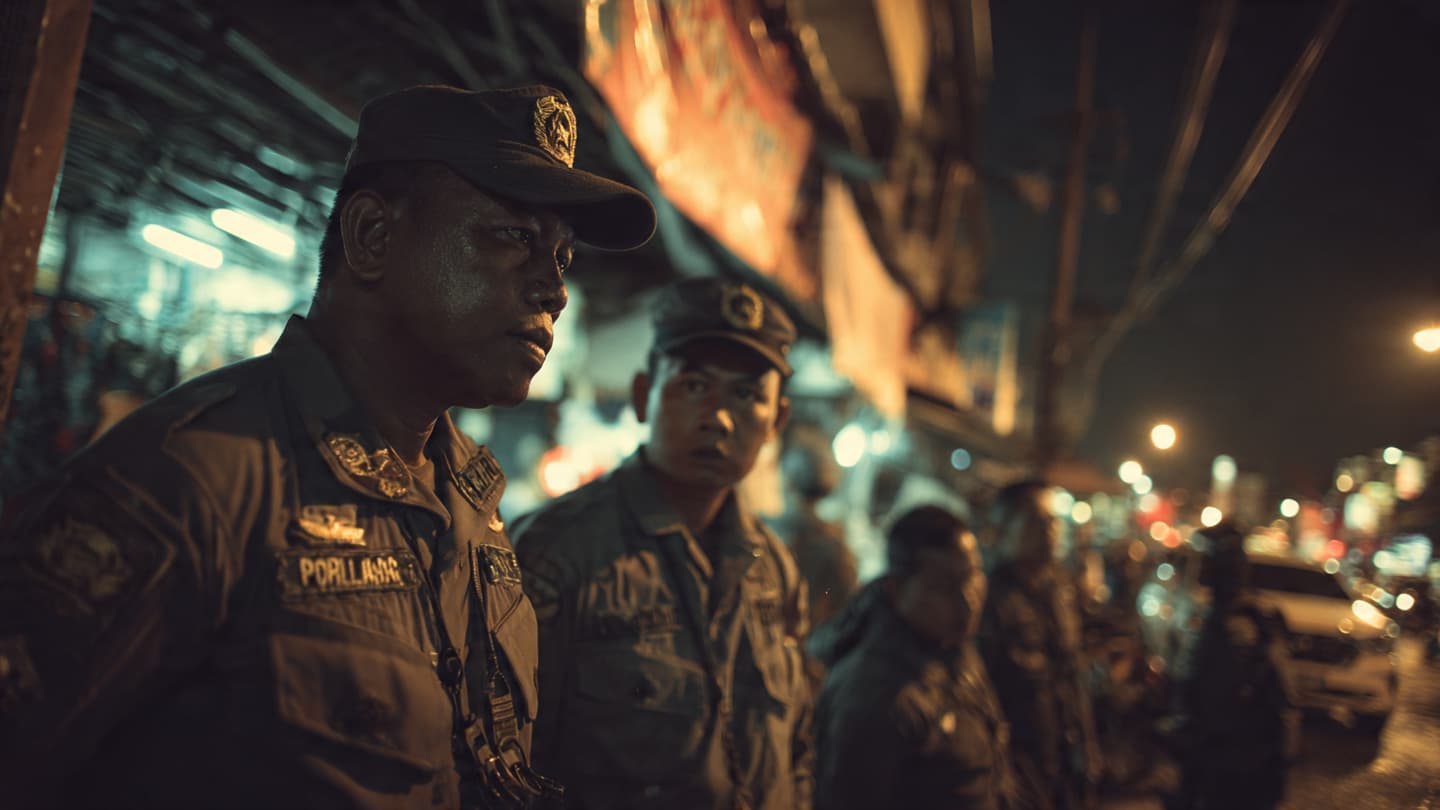
The perception of security in urban areas often hinges on both visible law enforcement presence and the community's confidence in returning home safely after dark. In Indonesia, this balance has recently been tested as discussions emerge regarding the role of military personnel in combating street crime, particularly incidents involving street robbers known as begal. This situation has sparked a broader debate about the appropriate boundaries between military duties and civilian law enforcement responsibilities.
The Indonesian National Armed Forces (TNI) has faced scrutiny following reports of its members participating in operations typically reserved for police forces. Legal experts have pointed out that the military's primary mandate is national defense, while public security and criminal law enforcement fall under the jurisdiction of the National Police. This distinction is crucial in maintaining a democratic governance structure, where the roles of various state institutions are clearly defined.
Despite the established boundaries, there have been instances of cooperation between military and police forces, particularly during emergencies, anti-terrorism operations, and disaster responses. Such collaborations are often dictated by legal frameworks and operational protocols that govern state actions. However, the recent rise in street crime has led to increased public support for military involvement, as communities seek immediate solutions to their safety concerns.
Analysts note that the visible presence of military personnel can provide a temporary sense of security in areas plagued by crime. This phenomenon reflects a common societal response to insecurity, where the public may favor immediate, albeit potentially problematic, measures over long-term solutions that respect constitutional principles. The challenge lies in balancing the urgent need for safety with the imperative to uphold democratic values and institutional integrity.
Legal scholars have voiced concerns about the implications of military engagement in civilian law enforcement. They argue that maintaining clear institutional boundaries is essential for preserving the rule of law and protecting civil liberties. The sensitivity of this issue is heightened in Indonesia, where the historical context of military involvement in politics and governance continues to influence public perceptions and policy discussions.
Human rights advocates have also stressed the importance of transparency and accountability in any military operations related to law enforcement. They argue that public trust in state institutions hinges on the assurance that military actions are conducted within a framework of legal oversight and respect for human rights. As such, any operational procedures involving military personnel must be carefully evaluated to prevent potential abuses of power.
As Indonesia navigates these complex discussions, the ongoing debate about the role of the TNI in anti-crime operations is expected to evolve. Policymakers, legal experts, and security institutions will need to assess operational needs while remaining mindful of constitutional responsibilities. The outcome of these discussions will significantly impact public understanding of state authority and the balance between security and civil rights in Indonesia's democratic landscape.
Published by Banx Network. This article is part of the Banx decentralized media programme, powered by the BXE token on the XRP Ledger.



