
Key Highlights
- Incident:A shooting at Brown University left two students dead and nine injured.
- Suspect:The individual believed to be responsible was found dead in New Hampshire.
- Community Impact:The shootings have left a profound impact on the Brown and MIT communities.
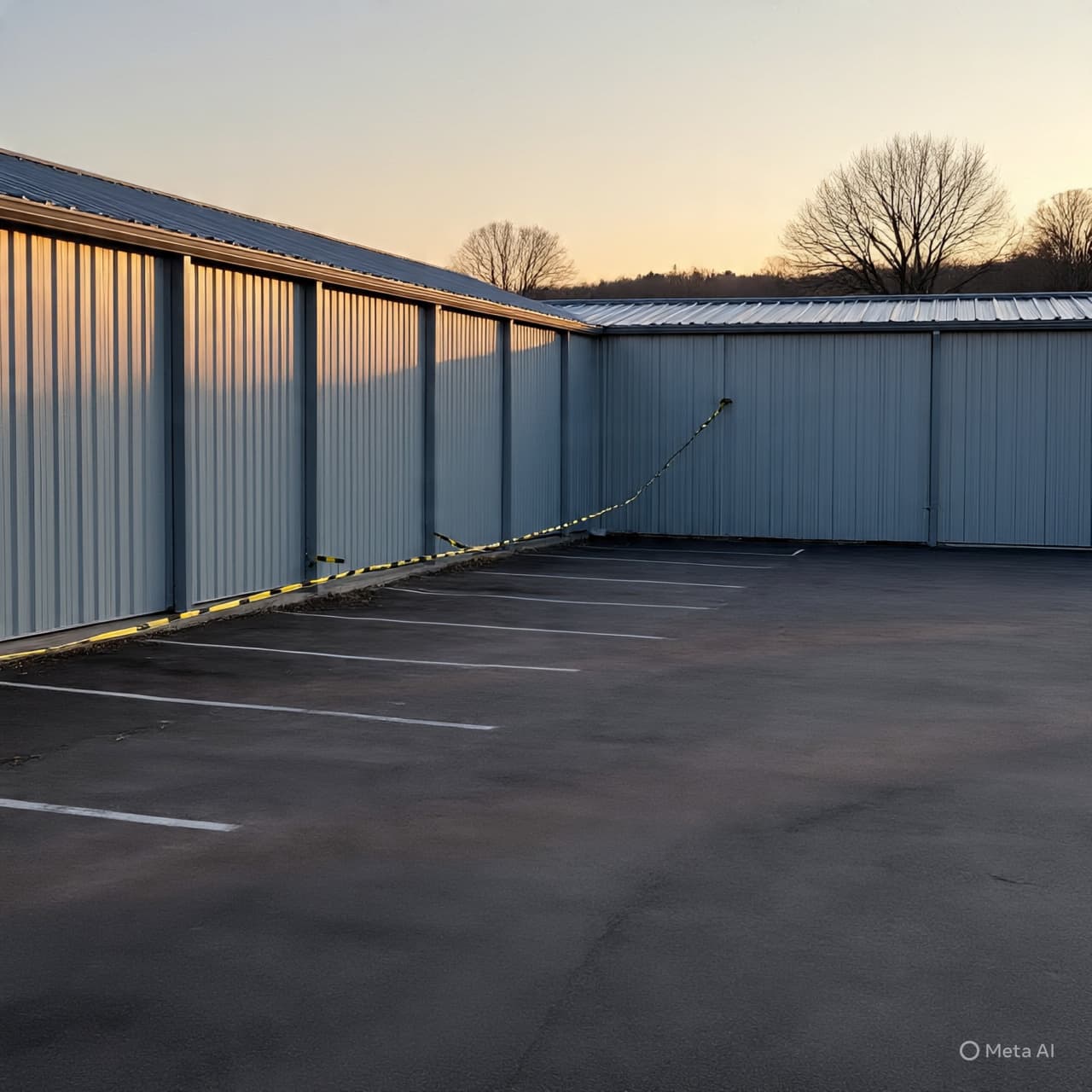
In the quiet hours before dawn, long after emergency lights had faded from the ivy-lined pathways of Brown University and the cobblestone streets near MIT, a search that had gripped two states drew to a solemn close. The discovery of a body in a storage facility in Salem, New Hampshire, marked both an ending and a cascade of unanswered questions. Law enforcement officials confirmed that the feared suspect — the individual believed to be behind a deadly campus shooting at Brown and the subsequent killing of an MIT professor — was found dead, ending an intense manhunt that stretched days and touched countless lives.
The tragic events began on a December afternoon at Brown University, where students were immersed in their studies when gunfire erupted in a classroom, fracturing the routine of a late semester and leaving two young students dead and nine others wounded. In the days that followed, images of shock and grief rippled through Providence, a community still tender from its winter chill. As investigators followed leads and released surveillance footage, authorities also looked into a separate killing — the shooting death of an MIT physics professor at his Brookline home — pondering whether the two tragedies could be linked.
The connection officials eventually drew was unsettling: both scenes appeared connected to the same person, a former graduate student with ties to Brown. In a rented car traced across state lines and ultimately to a storage unit in New Hampshire, police found the suspect deceased from a self-inflicted gunshot wound. With him were firearms and evidence that tied him to the earlier attacks. The harrowing finale brought a kind of closure to a frantic search, yet left many questions — including motive and what might have driven someone from academic roots into violence — still unquiet in the public mind.
In the wake of the shootings, communities mourned. At Brown, students and faculty grappled with the loss of peers and the shock of violence on a campus once defined by its scholarly calm. At MIT and in Brookline, colleagues and neighbors registered their disbelief at the loss of a respected scientist. As snow fell on quiet streets and police lights slowly dimmed, the task of tending to grief and restoring a sense of safety began — long after the search for answers had concluded.
The aftermath of such violence often leaves communities grappling with complex emotions. The Brown and MIT communities are now faced with the challenge of healing and understanding the factors that led to this tragic series of events. As investigations continue, the focus will likely shift towards prevention and ensuring safety in academic environments, where the sanctity of learning should remain untainted by violence.
Published by Banx Network. This article is part of the Banx decentralized media programme, powered by the BXE token on the XRP Ledger.



