

Key Highlights
- Discovery of new deep-sea creatures raises ecological concerns.
- Findings coincide with increased interest in deep-sea mining.
- Scientists urge caution to protect fragile marine ecosystems.
In the depths of the ocean, where sunlight fails to penetrate and pressure mounts, scientists have made a groundbreaking discovery: a previously unknown branch of deep-sea creatures. This revelation comes at a critical time, as the regions housing these organisms are being eyed for deep-sea mining, particularly for metals crucial to modern battery production. The intersection of scientific discovery and industrial ambition raises significant questions about the future of these fragile ecosystems.
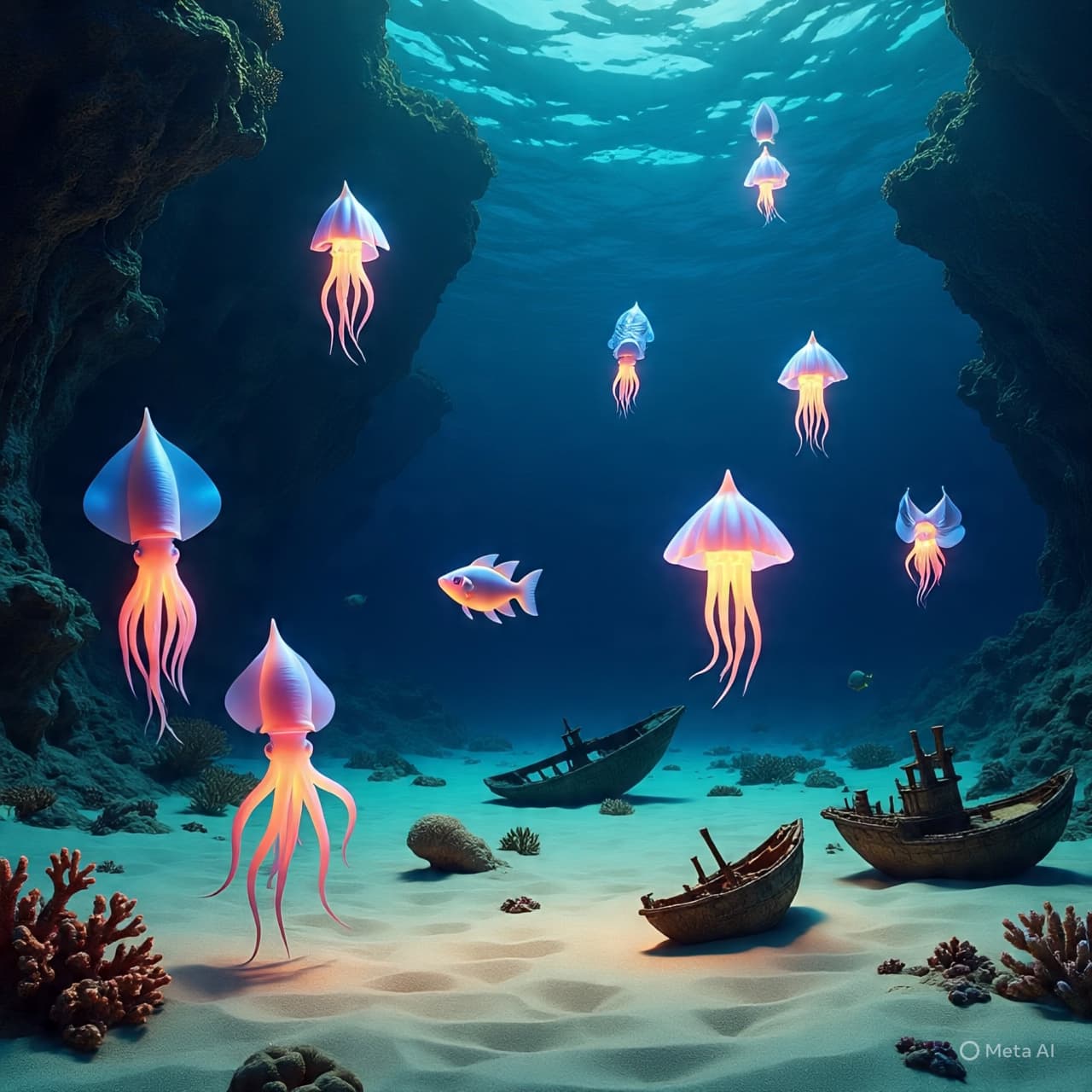
Researchers conducting deep-sea surveys have identified organisms that appear to belong to an entirely new branch of life, distinct from any known marine species. This finding is particularly remarkable given the prevailing belief that most of Earth's biodiversity has already been cataloged. The unique physiological traits of these creatures, which enable them to thrive in extreme conditions, underscore the resilience of life in the ocean's depths and the vast unknowns that remain.
The timing of this discovery is particularly poignant. As governments and industries explore the potential of seabed mining, scientists are sounding alarms about the potential risks to these delicate ecosystems. The organisms found in these regions are not only unique but also poorly understood, leading to concerns that disturbances from mining activities could have unforeseen consequences. The urgency of this situation is amplified by the presence of entirely new life forms, prompting calls for a more cautious approach to resource extraction.
Environmental organizations have echoed these sentiments, advocating for comprehensive studies to assess the ecological impact of potential mining operations. They argue that the discovery of new species adds a layer of complexity to the debate over resource extraction, emphasizing the need for thorough evaluation before any large-scale operations commence. The delicate balance between technological advancement and environmental preservation is at the forefront of this discussion.
Moreover, the discovery highlights the importance of continued exploration in the deep sea. Each expedition reveals new layers of complexity that challenge our understanding of marine life and ecosystems. The ocean, largely unexplored and teeming with life, remains a frontier for scientific inquiry, and the potential for new discoveries is immense.
As humanity grapples with the demand for resources, the responsibility to protect these ecosystems becomes increasingly critical. The emergence of new life forms in the ocean's depths serves as both a marvel and a reminder of the mysteries that still exist beneath the waves. The challenge lies in balancing the need for progress with the imperative to safeguard the environment, ensuring that the secrets of the ocean are preserved for future generations.
Published by Banx Network. This article is part of the Banx decentralized media programme, powered by the BXE token on the XRP Ledger.




