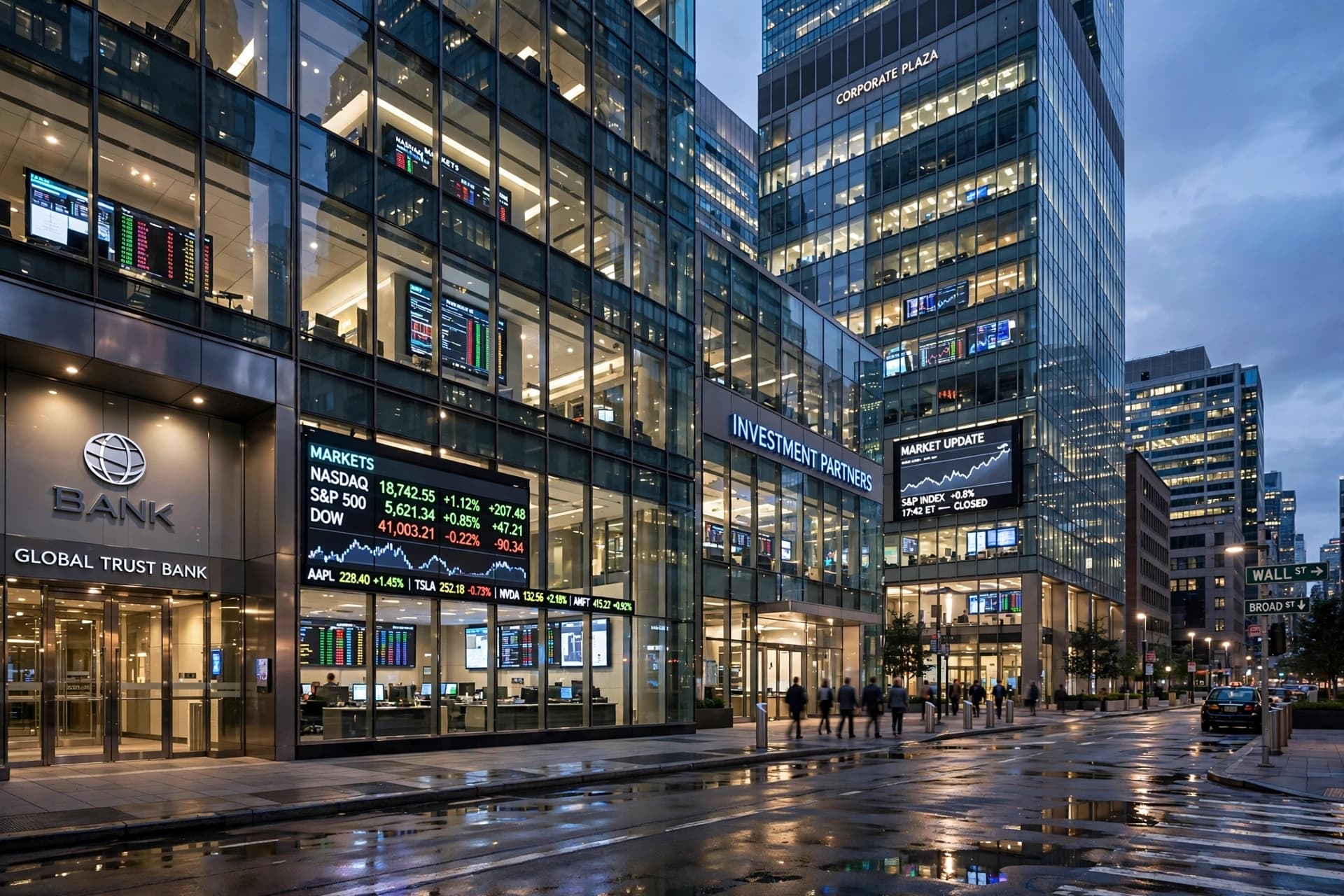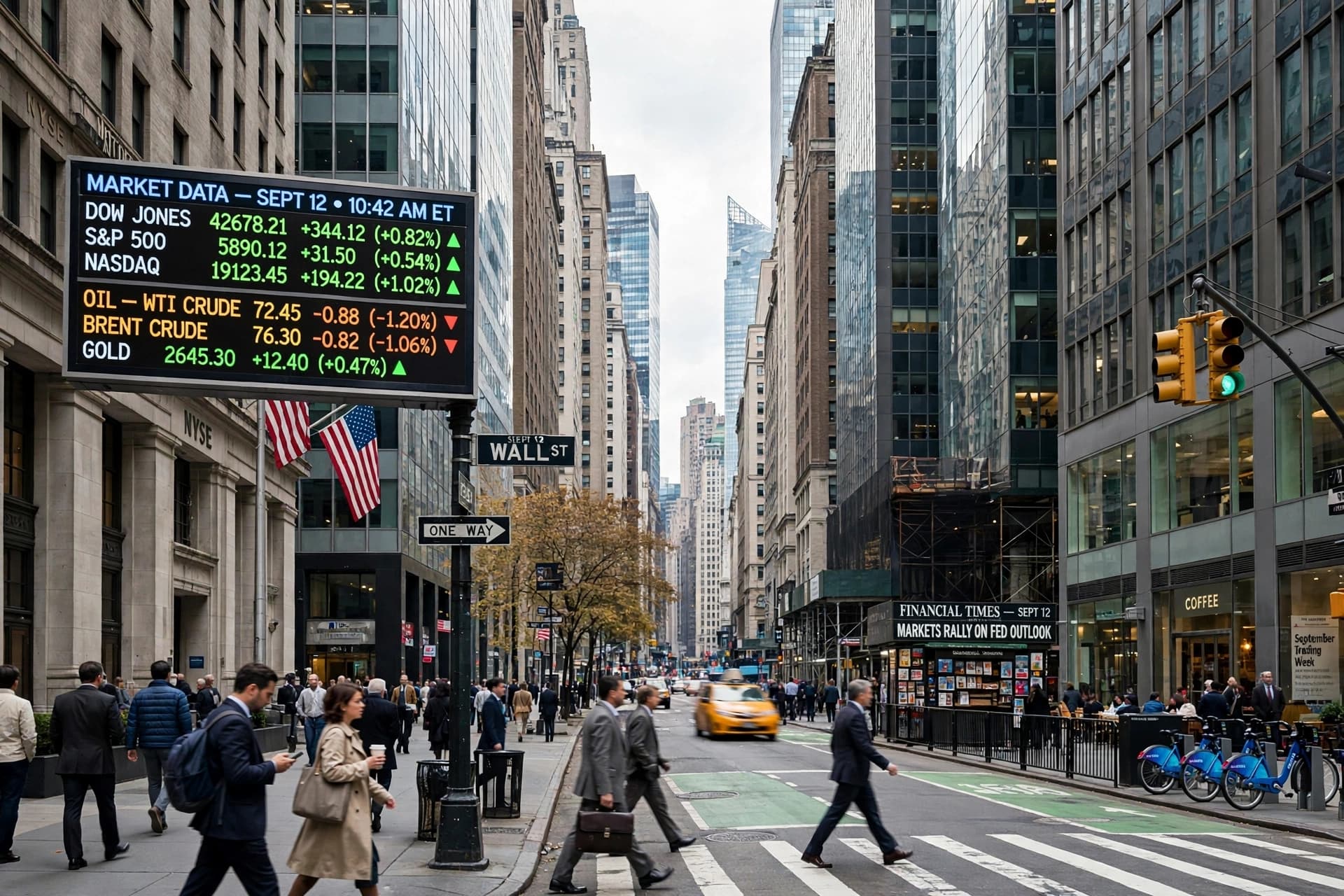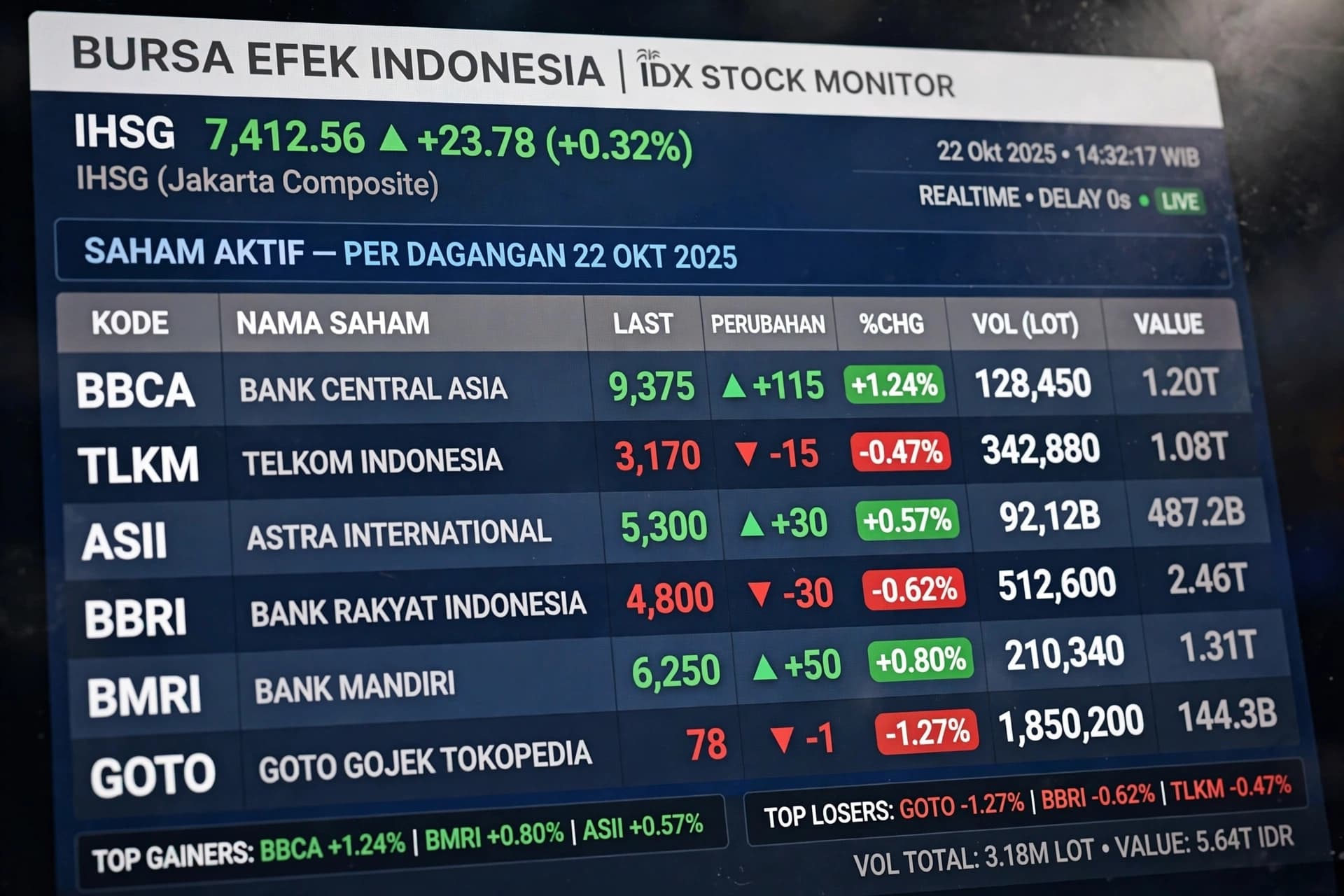
Markets often reveal their character through small movements that become significant when viewed together. A price changes, an order appears, another disappears, and beneath those simple actions lies the continuous process through which buyers and sellers negotiate value.
On September 28, the Indonesia Stock Exchange began implementing a new minimum share price of Rp1 for stocks traded on the regular and cash markets, replacing the previous Rp50 minimum. The change gave shares that had previously been unable to move below Rp50 greater room for price discovery. (detik.com)
The first trading session under the new mechanism was marked by pressure across the broader market. The Jakarta Composite Index, or IHSG, fell 1.51% to 6,147.86, while 532 stocks declined, 180 advanced and 81 remained unchanged. (kumparan.com)
Several stocks that had previously remained at Rp50 also moved sharply lower. Twenty-three stocks that had been at that level reached the lower auto-rejection limit during the first day, with prices falling to Rp43 under the applicable trading mechanism. (liputan6.com)
The change itself, however, does not determine where an individual stock must trade. Instead, it removes the previous floor and allows transactions to establish prices below Rp50 when buying and selling interest meet at those levels.
For the exchange, one of the stated purposes of the policy is to provide greater space for price discovery. Stocks that had remained at Rp50 despite limited trading activity can now move according to market orders rather than being held at the former minimum.
That process can produce sharp percentage changes because the nominal value of low-priced shares is small. A movement of only a few rupiah can represent a substantial percentage change, making the transition particularly visible in daily market statistics.
Liquidity is another part of the discussion. The removal of the Rp50 floor does not automatically create buyers or sellers. Trading activity still depends on investor participation, order depth and the willingness of market participants to transact at available prices. (ajaib.co.id)
The first session therefore represents only an early picture of how the new system will operate. Prices may continue adjusting as investors observe new trading ranges and as companies and market participants respond to the altered mechanism.
Behind the numbers on the trading screen is a broader principle of financial markets: price is continuously negotiated. By lowering the minimum level from Rp50 to Rp1, the exchange has widened the range through which that negotiation can take place. The coming sessions will show how that additional space is absorbed by Indonesia’s market.
IMAGE DISCLAIMER
These visuals are AI-generated conceptual illustrations and are not photographs of the actual trading activity.
SOURCES
Bursa Efek Indonesia detikFinance Kumparan Bisnis Liputan6
Published by Banx Network. This article is part of the Banx decentralized media programme, powered by the BXE token on the XRP Ledger.