
Key Highlights
- Upcoming Delivery:The U.S. Navy's new submarine is set for 2028.
- Strategic Importance:This vessel enhances nuclear deterrence capabilities.
- Global Context:Nations are modernizing their naval forces amid rising tensions.
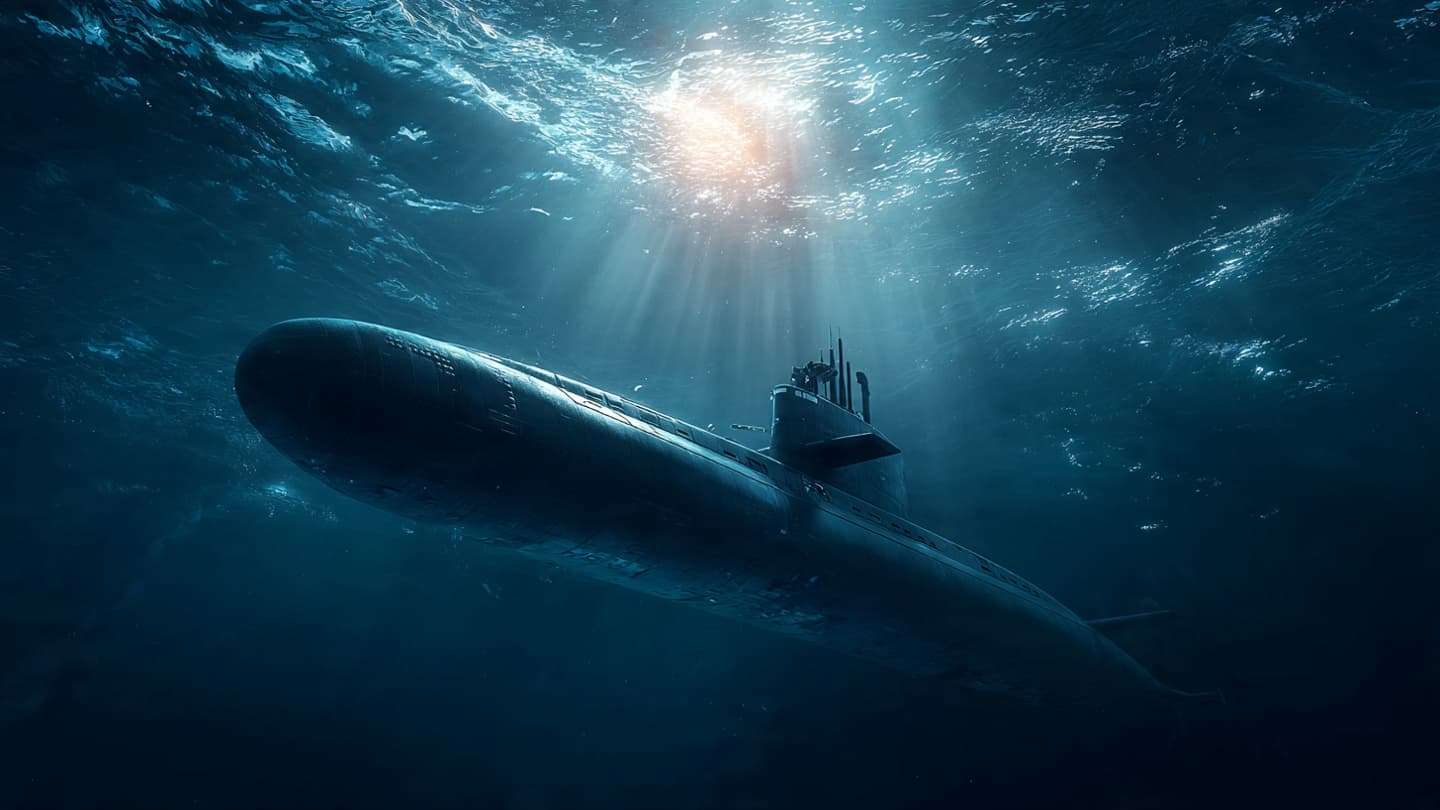
The depths of the world's oceans conceal a complex and strategic architecture that is seldom visible to the public eye. As the United States Navy prepares for the delivery of its next-generation nuclear-powered ballistic missile submarine in 2028, the implications of this development extend far beyond the vessel itself. This submarine, displacing approximately 21,000 tons, is part of a long-standing tradition of strategic deterrence that operates largely out of sight, reflecting the intricate balance of global security.
Designed for extended endurance and stealth, this submarine represents a significant evolution in undersea capabilities. With nuclear propulsion, it can remain submerged for prolonged periods, making it a formidable asset in the U.S. military's strategic framework. The ballistic missile systems onboard are integral to maintaining a credible deterrent posture, ensuring that the U.S. can respond effectively to potential threats without the need for visible military presence.
The construction of such submarines is a meticulous process that unfolds over nearly a decade. Shipyards and design facilities work in tandem to shape steel into pressure-resistant forms, integrate advanced propulsion systems, and layer internal systems with precision. Each phase of development reflects a careful balance between engineering excellence and strategic necessity, where timelines are extensive and tolerances are tight.
The 2028 delivery aligns with a broader modernization cycle of the U.S. nuclear triad, which encompasses land-based missiles, strategic bombers, and submarine-launched systems. Among these, submarines are often regarded as the most challenging to detect, allowing them to operate undetected in vast oceanic expanses. Their role transcends immediate visibility; it is about ensuring sustained deterrence over time, a critical aspect of nuclear strategy.
Ballistic missile submarines play a stabilizing role within the framework of nuclear doctrine. Their ability to remain concealed at sea provides a second-strike capability, a cornerstone of deterrence theory that has been pivotal for decades. This operational invisibility is not merely incidental; it is a fundamental aspect of their purpose, enabling them to function as both a safeguard and a strategic signal.
While technical specifications such as tonnage and propulsion define the submarine's physical attributes, its significance lies in its integration within a long-term strategic vision. Defense programs of this magnitude are assessed not just in terms of immediate outcomes but through cycles of technological advancement, industrial collaboration, and geopolitical forecasting. The submarine expected in 2028 is the culmination of decisions made years prior, now manifesting in advanced engineering and systems integration.
The context surrounding this development is characterized by ongoing modernization efforts among global naval forces. Many nations are investing heavily in undersea capabilities, underscoring the enduring strategic importance of the ocean domain. Within this competitive landscape, nuclear-powered submarines remain among the most sophisticated and consequential military assets, necessitating continuous investment and specialized expertise.
As construction progresses, details about the submarine remain classified, consistent with the nature of strategic military programs. Public information typically highlights general milestones rather than operational specifics, preserving the security framework that governs these vessels. When the submarine is ultimately delivered in 2028, it will join a fleet that operates largely beyond public scrutiny, continuing a legacy of deterrence through presence without visibility. Its launch will signify not a dramatic shift in military posture but rather the continuation of a long-established strategic rhythm—one defined by quiet movement beneath the ocean's surface.
In the depths of the ocean, where pressure increases with depth and surface noise fades, these vessels embody a form of stability built on endurance rather than display. The ocean remains a realm where much of the world's strategic balance unfolds unseen, and the upcoming submarine is poised to play a crucial role in maintaining that balance.
Published by Banx Network. This article is part of the Banx decentralized media programme, powered by the BXE token on the XRP Ledger.



