
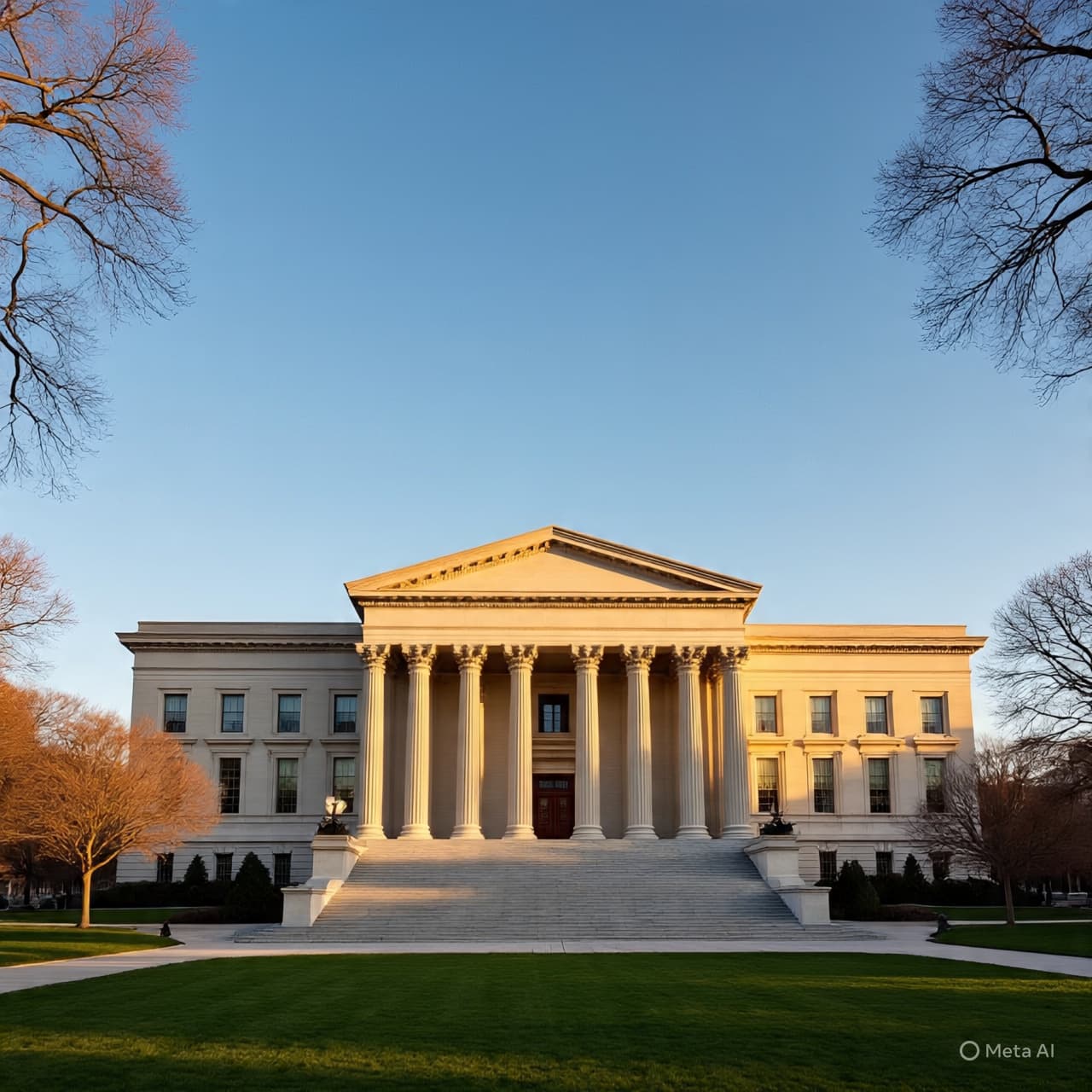
The morning moves quietly through financial districts, screens glowing but unmoving, traders pausing between keystrokes. After months of tightening and anticipation, there is a rare stillness in the air. The Federal Reserve has chosen, at least for now, to let the current settle.
For the first time since July, the central bank has held its benchmark interest rate steady, maintaining a target range of 5.25 to 5.5 percent. The decision follows a long stretch of increases designed to cool inflation that once surged with unsettling speed. This pause does not signal relief so much as watchfulness, a moment to observe how earlier decisions ripple through households, labor markets, and global capital.
Inflation has eased from its peak, though it remains above the Fed’s long-term goal. Consumer prices have slowed unevenly, shaped by falling energy costs and more stable supply chains, while housing and services continue to resist gravity. Policymakers acknowledge progress, but the language remains careful, shaped by memory of past missteps where premature easing reignited pressure.
Economic growth has shown resilience, surprising many forecasters. Employment remains strong, wages continue to rise, and consumer spending has yet to falter decisively. At the same time, borrowing costs weigh more heavily on mortgages, credit cards, and business loans. The effects of monetary tightening often arrive slowly, like weather moving in from a distant horizon.
In holding rates steady, the Fed signaled patience rather than confidence. Officials emphasized that future decisions will remain data-dependent, guided by inflation readings, labor market conditions, and financial stability. The door to further hikes has not been closed, nor has the path to eventual cuts been clearly drawn.
Markets reacted with restraint. Bond yields shifted modestly, equities searched for direction, and investors recalibrated expectations rather than rewriting them. The pause was anticipated by many, but its meaning remains open to interpretation—a comma rather than a conclusion.
For borrowers and savers alike, the moment offers little immediate change. High rates persist, reshaping household budgets and business strategies, while offering returns to those with cash on the sidelines. The economy continues forward, neither accelerating nor stopping, carried by decisions made months ago.
As autumn deepens, the Fed remains suspended between caution and resolve. The pause is not an ending, but a breath—a chance to listen more closely to the economy’s quieter signals before the next move is made.
AI Image Disclaimer Illustrations were generated using AI tools and are intended as conceptual representations.
Sources Federal Reserve Bureau of Labor Statistics U.S. Department of Commerce Reuters The Wall Street Journal
Published by Banx Network. This article is part of the Banx decentralized media programme, powered by the BXE token on the XRP Ledger.



