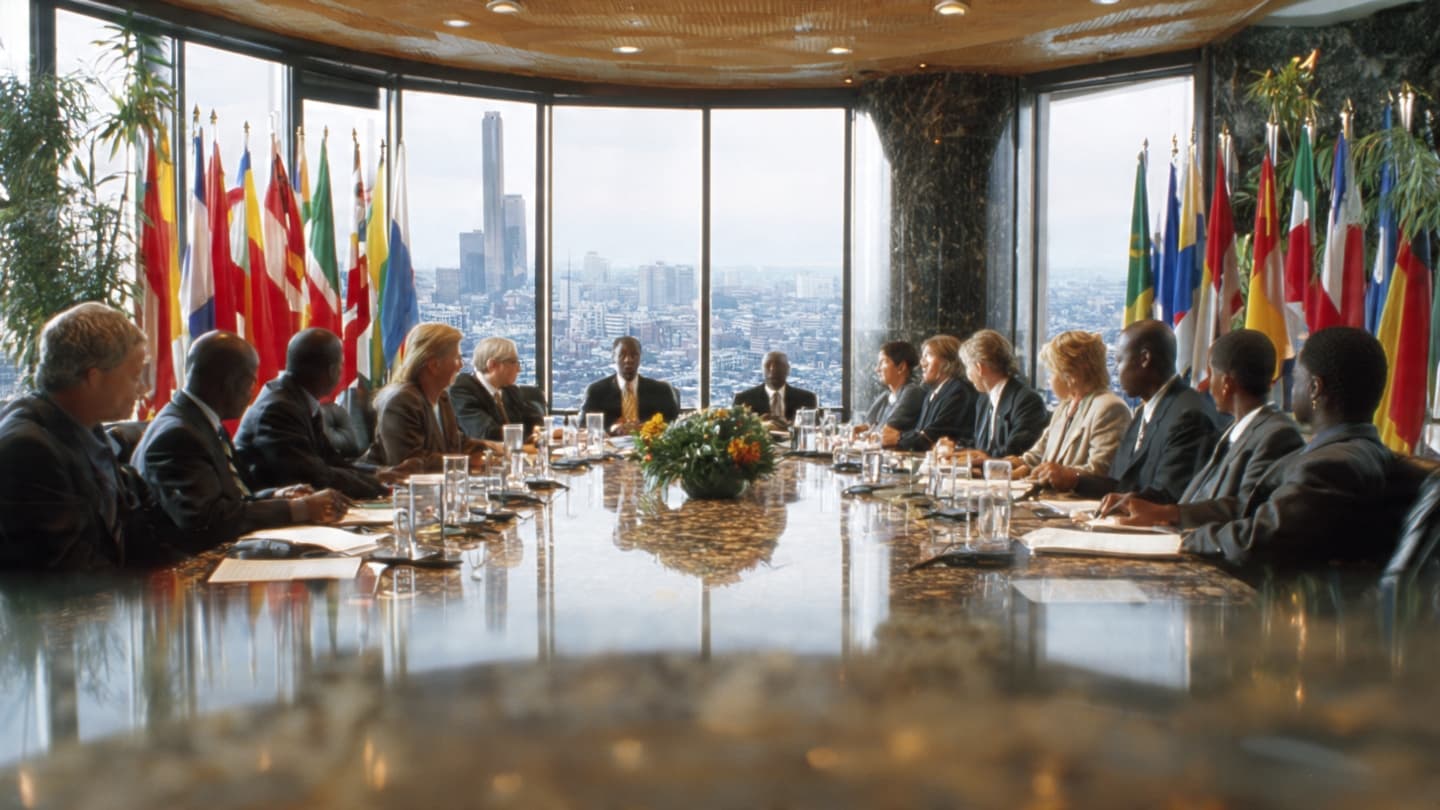
Diplomacy often moves through quiet channels, away from the noise of daily events. It is built through conversations, negotiations, and the gradual search for areas of understanding.
In complex regions, maintaining communication can become an important part of international relations. Dialogue provides opportunities for countries to manage differences while protecting broader interests.
Iran’s position in regional affairs has long attracted international attention because of its geographic location, economic role, and connections with neighboring countries.
Diplomatic efforts involving Iran are often connected with wider issues, including regional security, trade relationships, and energy markets. These areas demonstrate how political communication can influence economic conditions.
International relations rarely change overnight. Progress often comes through gradual discussions involving multiple governments, organizations, and stakeholders.
For businesses and markets, diplomatic developments can influence expectations and planning. Stability allows companies to make longer-term decisions with greater confidence.
The importance of dialogue extends beyond individual countries. In an interconnected world, regional stability can affect transportation networks, investment flows, and economic cooperation.
As global challenges become increasingly connected, diplomacy remains one of the tools available to manage uncertainty. Communication allows countries to explore possibilities even during difficult periods.
The future of regional relationships will continue to depend on cooperation, patience, and sustained engagement among nations.
AI Image Disclaimer AI-generated illustrations are conceptual images created to represent themes and environments, not actual photographs.
Sources Reuters Associated Press BBC News Financial Times Al Jazeera
Published by Banx Network. This article is part of the Banx decentralized media programme, powered by the BXE token on the XRP Ledger.