
Key Highlights
- Incident:A French peacekeeper was killed in southern Lebanon, reportedly linked to Hezbollah.
- Context:The attack highlights the fragile balance of peacekeeping in the region.
- Ongoing Investigations:Authorities are investigating the incident while ensuring the safety of other personnel.
The recent death of a French peacekeeper in southern Lebanon has sparked significant concern and debate, particularly regarding the involvement of Hezbollah. This incident not only underscores the precarious nature of peacekeeping operations in the region but also raises critical questions about the broader implications of such violence. The peacekeeper's death, attributed to Hezbollah by some reports, serves as a stark reminder of the tensions that persist in a landscape often characterized by fragile stability.
Peacekeeping missions, such as the one in Lebanon, are designed to maintain a delicate balance between conflict and resolution. The presence of peacekeepers is intended to deter violence and foster a sense of security among local populations. However, this role inherently carries risks, as personnel operate in environments where stability is often temporary and influenced by various local and regional actors.
Hezbollah's involvement in this incident adds a layer of complexity to the narrative. As a powerful political and military force in Lebanon, Hezbollah's actions are closely monitored and analyzed, not just within the country but also in the context of regional geopolitics. The attribution of responsibility for the peacekeeper's death has significant implications, potentially affecting international relations and the ongoing peacekeeping efforts in the region.
In response to the incident, French officials have expressed their condolences and emphasized the importance of ongoing investigations. The French government, a key contributor to the United Nations mission in Lebanon, is particularly invested in understanding the circumstances surrounding the attack. The loss of a peacekeeper resonates deeply, highlighting the risks associated with international commitments to peace and stability.
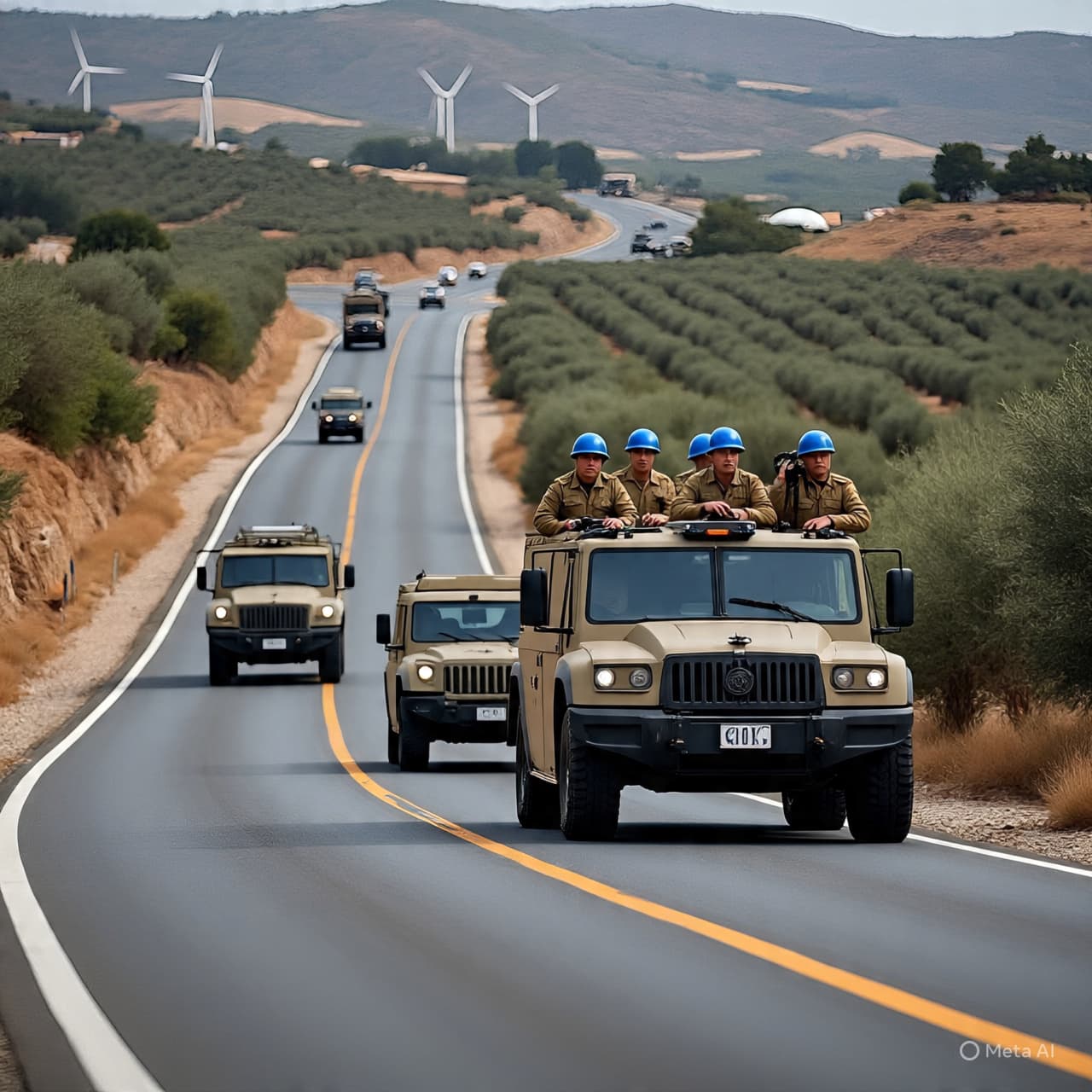
The presence of peacekeepers in southern Lebanon has become a familiar aspect of daily life for many residents. Their patrols and checkpoints symbolize a form of stability, albeit one that is constantly under threat. When violence disrupts this presence, it serves as a stark reminder of the underlying tensions that continue to exist in the region. The local communities are acutely aware of the precariousness of their situation, and incidents like this can shift perceptions and heighten anxieties.
Moreover, the mention of Hezbollah in the context of this attack reflects the broader security landscape in Lebanon. The group's influence extends beyond local dynamics, intertwining with international concerns about terrorism and regional stability. Any incident involving Hezbollah is rarely isolated; it becomes part of a larger discourse about security, power, and the interplay of local and international forces.
As investigations unfold, the focus will remain on both the specifics of the incident and the broader context in which it occurred. Authorities are expected to provide updates as more information becomes available, and measures to enhance the safety of peacekeeping personnel will likely be reviewed. The United Nations mission in Lebanon continues its operations, navigating the complexities of a region where stability is perpetually negotiated.
In the coming days, the international community will be watching closely as France and other contributing nations assess the implications of this tragic event. The delicate balance of peacekeeping in southern Lebanon hangs in the balance, and the response to this attack will be critical in shaping the future of peace efforts in the region.
Published by Banx Network. This article is part of the Banx decentralized media programme, powered by the BXE token on the XRP Ledger.



