
Key Highlights
- Iran signals new military strategies amid rising regional tensions.
- Diplomatic negotiations continue alongside military readiness in the Middle East.
- U.S. officials urge restraint while monitoring developments closely.
In geopolitics, preparation is often described in quiet phrases before it is seen in visible action. Nations living beneath prolonged tension tend to move carefully, measuring every statement like sailors reading uncertain weather over dark water. In recent days, Iran’s leadership has once again signaled that the country is adjusting its strategic posture as regional uncertainty continues to deepen.
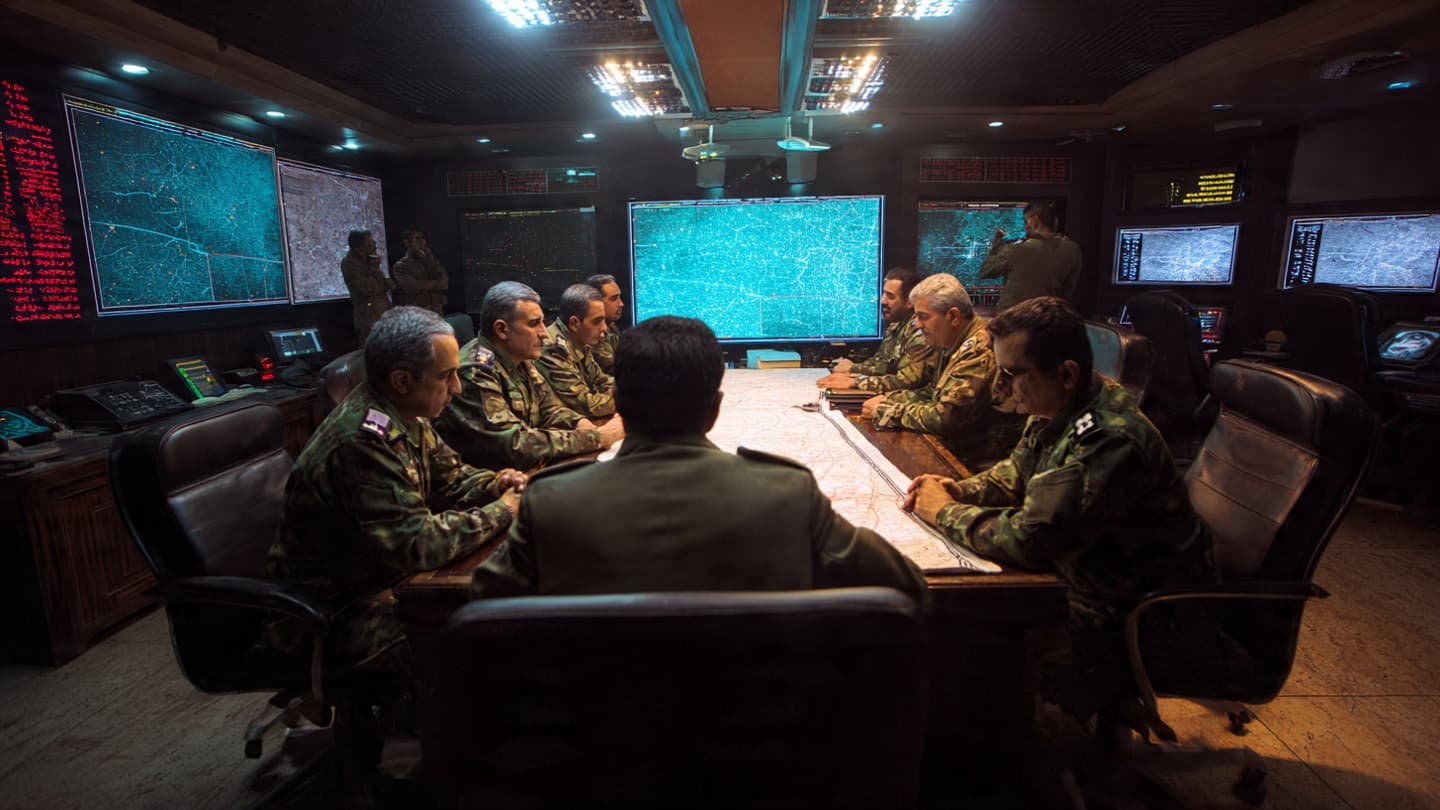
Iranian officials have indicated that the country is preparing new tactical measures in response to potential military actions by the United States. These remarks emerged amid ongoing friction surrounding security issues in the Middle East, where diplomatic negotiations continue alongside military readiness from several regional actors. The Iranian defense representatives have outlined proposed tactical adjustments that involve both defensive and operational planning aimed at strengthening deterrence capabilities. They emphasized that the country remains focused on protecting national sovereignty while responding proportionally to potential threats.
The statements from Iran follow a period of heightened regional anxiety marked by military exchanges, political warnings, and increased international attention toward strategic locations such as the Persian Gulf and nearby shipping corridors. Diplomatic observers note that public military messaging often serves both domestic and international purposes during periods of tension, reflecting the complex interplay between military readiness and diplomatic engagement.
American officials have continued to emphasize their regional security commitments while urging restraint from all sides. Although Washington has not publicly responded in detail to the latest Iranian statements, U.S. policymakers are closely monitoring developments alongside allied governments. This ongoing vigilance underscores the delicate balance of power in the region and the potential for escalation if diplomatic efforts falter.
Analysts suggest that Iran’s latest messaging reflects a broader pattern seen throughout recent years, where strategic signaling and deterrence language have become central components of regional diplomacy. Such rhetoric frequently influences not only political discussions but also energy markets and international security calculations, highlighting the interconnectedness of military and diplomatic strategies.
At the same time, diplomatic channels between various regional and global actors remain active behind the scenes. Several governments continue to encourage negotiations aimed at preventing further escalation, recognizing the wider economic and humanitarian consequences that major conflict could bring. The stakes are high, as the potential for a military confrontation could disrupt not only regional stability but also global energy supplies.
For ordinary citizens across the region, repeated cycles of tension and negotiation have become part of their daily political reality. While headlines often focus on military language, public concerns frequently center on stability, economic conditions, and the possibility of avoiding wider confrontation. The ongoing dialogue between military readiness and diplomatic efforts reflects the complexities of navigating a volatile geopolitical landscape.
Iran’s latest announcement illustrates the continuing balance between deterrence and diplomacy in the Middle East, where strategic caution and political messaging remain closely intertwined. As the situation evolves, the international community watches closely, hoping for a resolution that prioritizes peace and stability over conflict.
Published by Banx Network. This article is part of the Banx decentralized media programme, powered by the BXE token on the XRP Ledger.



